A malfunctioning file cabinet lock can quickly disrupt your workflow, compromise sensitive documents, and create unnecessary frustration. Whether your lock is jammed, the key won’t turn, or the mechanism feels loose, addressing these issues promptly is crucial for both security and convenience. This guide will walk you through practical steps to repair file cabinet lock mechanism problems, restore smooth operation, and help you decide when to call a professional.
Before diving into the repair process, it’s important to understand the common reasons for lock failure and the tools you’ll need. If you’re looking for a more comprehensive overview of unlocking stuck cabinets without causing damage, the locked file cabinet repair guide offers additional insights.
Understanding Common File Cabinet Lock Issues
File cabinet lock mechanisms are designed for frequent use, but over time, wear and tear or accidental damage can cause a range of issues. Recognizing the symptoms early can help you address the problem before it escalates.
- Key Won’t Turn: This is often due to debris, misalignment, or a worn key.
- Lock Feels Loose: Screws or retaining clips may have loosened, or internal parts could be worn.
- Stuck or Jammed Lock: Dust, rust, or a bent locking bar can prevent smooth operation.
- Key Broken Off: Excessive force or a weak key can cause breakage inside the lock.
If you’re unsure about the specific problem, you can also refer to this how to fix file cabinet lock resource for a step-by-step troubleshooting approach.
Essential Tools and Materials for Lock Mechanism Repairs
Before attempting to fix any lock mechanism, gather the following tools and supplies:
- Flathead and Phillips screwdrivers
- Needle-nose pliers
- Lubricant (graphite powder or silicone spray)
- Replacement lock cylinder (if needed)
- Compressed air (for cleaning)
- Small brush or cotton swabs
- Flashlight
Having these items on hand will make the repair process smoother and help prevent accidental damage to the cabinet or lock.
Step-by-Step Guide to Fixing a Faulty File Cabinet Lock
Follow these steps to address the most common lock mechanism problems and restore your cabinet’s functionality:
1. Inspect the Lock and Cabinet
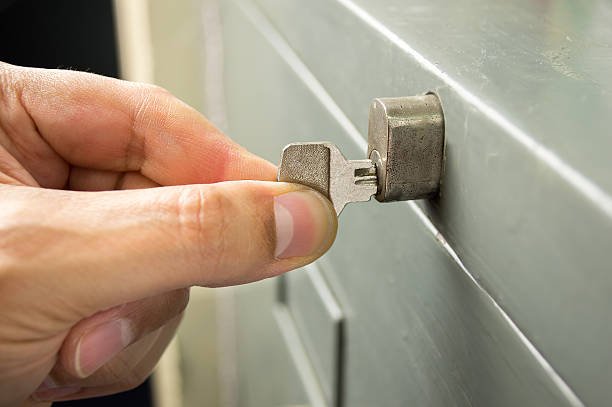
Start by examining the lock and surrounding area. Look for visible signs of damage, misalignment, or debris. Gently wiggle the lock cylinder to check for looseness. If the lock is stuck, do not force the key, as this can cause further damage.
2. Clean the Lock Mechanism
Dirt and dust can accumulate inside the lock over time. Use compressed air to blow out any debris from the keyhole and surrounding area. For stubborn grime, insert a cotton swab or small brush to gently clean the interior.
3. Lubricate Moving Parts
Apply a small amount of graphite powder or silicone-based lubricant into the keyhole. Avoid using oil-based products, as they can attract more dust. Insert and turn the key several times to distribute the lubricant and check if the lock operates more smoothly.
4. Tighten or Replace Loose Components
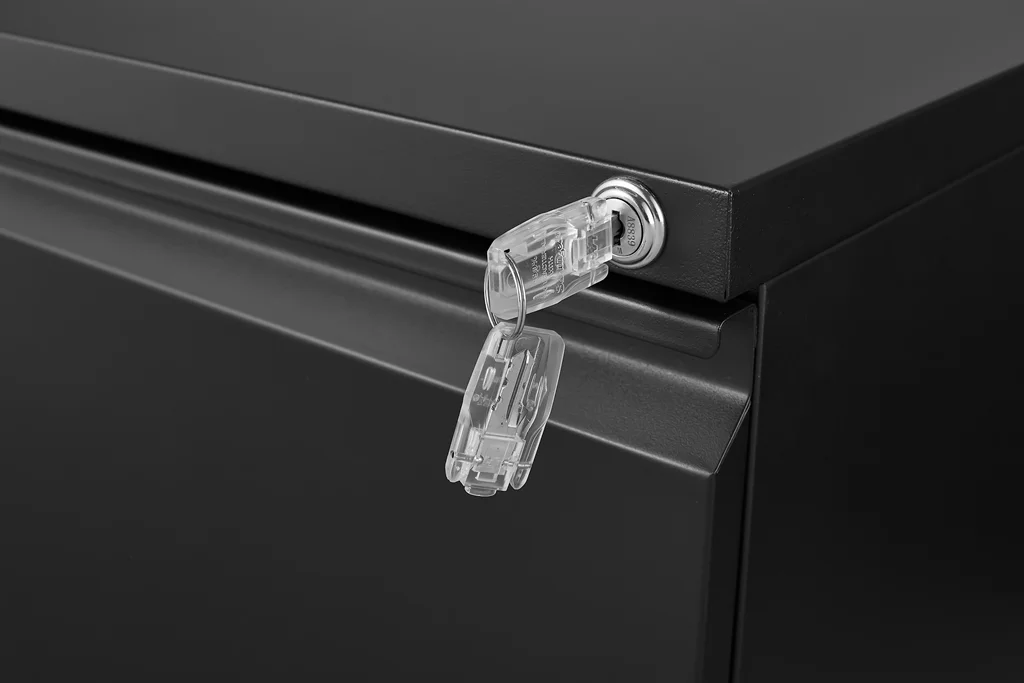
If the lock feels loose, open the cabinet and locate the screws or retaining clips holding the lock in place. Tighten them carefully with the appropriate screwdriver. If any parts are broken or missing, consider replacing the entire lock cylinder.
5. Remove a Broken Key (If Applicable)
If a key has snapped off inside the lock, use needle-nose pliers to gently extract the broken piece. If it’s lodged deep inside, a thin wire or a broken key extractor tool can help. Avoid pushing the fragment further in.
6. Test the Lock Mechanism
After making adjustments, insert the key and operate the lock several times to ensure smooth function. If the problem persists, the internal mechanism may be damaged and require professional attention.

When to Replace the Lock Mechanism
Sometimes, a lock is beyond repair due to severe internal damage, corrosion, or missing parts. If cleaning and tightening do not resolve the issue, or if the lock continues to jam, replacement is the best option. Modern file cabinet locks are usually inexpensive and easy to install with basic tools.
For a detailed walkthrough on changing out old or broken locks, consult this step-by-step file cabinet lock replacement guide. This resource covers how to select the right replacement, remove the old mechanism, and install a new one securely.
Tips for Preventing Future Lock Problems
Proactive maintenance can extend the life of your file cabinet lock and minimize the risk of future malfunctions. Here are some practical tips:
- Clean the lock and keyhole regularly to prevent dust buildup.
- Use the correct key and avoid forcing it if resistance is felt.
- Lubricate the mechanism every six months with a non-oily product.
- Check and tighten mounting screws periodically.
- Replace worn or bent keys to avoid damaging the lock.
If you frequently encounter lock issues or need to access cabinets without causing damage, refer to the locked file cabinet repair guide for more advanced strategies.
Frequently Asked Questions
How do I know if my file cabinet lock needs to be replaced?
If the lock is consistently jamming, the key turns but does not unlock, or the mechanism feels loose even after tightening, it may be time to replace the entire lock. Severe rust, missing parts, or a broken cylinder are also clear indicators that replacement is necessary.
Can I repair a file cabinet lock mechanism myself, or should I call a locksmith?
Many minor issues, such as cleaning, lubricating, or tightening loose components, can be handled with basic tools and patience. However, if you encounter a complex internal failure, a broken key that cannot be removed, or security concerns, contacting a professional locksmith is recommended for a safe and effective solution.
What type of lubricant should I use for my file cabinet lock?
Use a dry graphite powder or a silicone-based spray designed for locks. Avoid oil-based lubricants, as they can attract dust and cause the mechanism to gum up over time.
Conclusion
Addressing issues with your file cabinet lock promptly ensures the safety of your documents and the smooth operation of your workspace. By following the steps outlined in this article, you can often resolve common problems yourself and prevent future malfunctions. For persistent or complex issues, don’t hesitate to reach out to a professional locksmith for expert assistance.