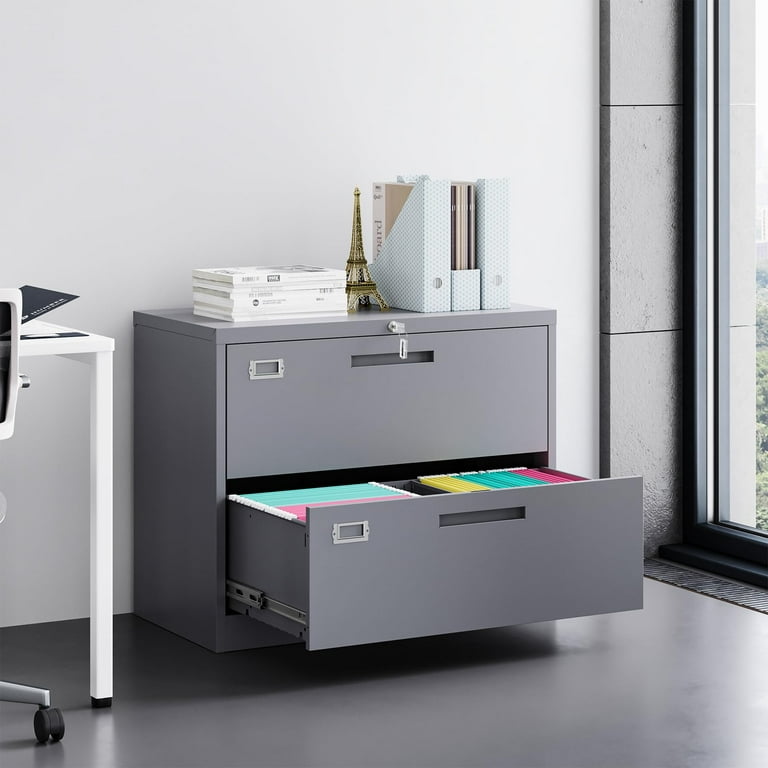
A malfunctioning file cabinet lock can disrupt your workflow, compromise sensitive documents, and create unnecessary frustration. Whether you’re dealing with a stuck key, a jammed mechanism, or a lock that simply spins without engaging, understanding the root causes and practical fixes is essential for restoring security and access. This article explores the most frequent reasons for lock failures and provides actionable steps to resolve them quickly and safely.
Before diving into troubleshooting, it’s important to recognize that not all lock issues require professional intervention. Many problems can be addressed with basic tools and a little patience. However, persistent or complex failures may call for expert help, especially if you want to avoid damaging the cabinet or its contents. For more in-depth instructions on regaining access without harm, consider reviewing our locked file cabinet repair guide.
Typical Reasons Your File Cabinet Lock Isn’t Working
When a file cabinet lock is not working as expected, the underlying cause usually falls into one of several categories. Identifying the specific issue is the first step toward an effective solution.
- Key Problems: Bent, worn, or broken keys are a leading cause of lock malfunctions. If the key doesn’t insert smoothly or turns with difficulty, it may be damaged or incompatible with the lock.
- Internal Jamming: Dust, debris, or foreign objects inside the lock cylinder can prevent proper operation. Over time, lack of lubrication can also cause pins and tumblers to stick.
- Misalignment: If the cabinet drawers or lock mechanism are out of alignment, the lock may not engage or disengage properly. This can result from repeated slamming, heavy use, or improper installation.
- Lock Cylinder Wear: Frequent use can wear down the internal components of the lock, causing it to spin freely or fail to catch.
- Broken or Disconnected Actuator: The actuator is the part inside the lock that moves to secure or release the latch. If it breaks or disconnects, turning the key will have no effect.
How to Diagnose a Faulty File Cabinet Lock
Troubleshooting a stubborn lock begins with a careful inspection. Here’s a step-by-step approach to pinpointing the problem:
- Examine the Key: Inspect the key for visible damage or signs of wear. Try a spare key if available. If both keys fail, the issue likely lies within the lock itself.
- Test the Lock Movement: Insert the key and gently turn it. If it sticks, try applying a graphite-based lubricant (never oil-based, as it attracts dust). If the key turns but nothing happens, the actuator may be disconnected.
- Check Drawer Alignment: Open and close the drawers to see if they are misaligned. Misalignment can prevent the lock bolt from engaging or disengaging.
- Look for Obstructions: Shine a flashlight into the keyway to check for debris or foreign objects. Use compressed air to clear out dust if needed.
- Listen for Unusual Sounds: Grinding, clicking, or no sound at all when turning the key can indicate internal damage or a broken mechanism.
Simple Fixes for Common File Cabinet Lock Issues
Once you’ve identified the likely cause, try these practical solutions to restore your lock’s function:
Dealing with a Stuck or Jammed Lock
- Lubricate the Lock: Use a graphite powder or a lock-specific lubricant to free up stuck pins. Avoid WD-40 or oil-based products, as they can attract more dirt.
- Gently Wiggle the Key: Insert the key and gently wiggle it while applying slight turning pressure. This can help realign pins or dislodge minor obstructions.
- Clear Debris: Use compressed air to blow out dust or debris from the keyway.
Addressing Key and Cylinder Problems
- Try a Spare Key: If you have a backup, use it to rule out a damaged key.
- Replace a Worn Key: If the key is visibly bent or worn, have a new one cut using the original code if possible.
- Inspect the Cylinder: If the cylinder spins freely or feels loose, the internal mechanism may be broken. In this case, replacement is often necessary.
Fixing Alignment and Actuator Issues
- Realign Drawers: Adjust the cabinet drawers so they close evenly. Sometimes, simply lifting or repositioning the drawer can allow the lock to engage.
- Check for Loose Screws: Tighten any screws securing the lock body or strike plate to ensure proper alignment.
- Reconnect the Actuator: If you’re comfortable disassembling the lock, check if the actuator has become disconnected from the lock cylinder. Reattach it if possible, or replace the mechanism if broken.
When to Replace or Upgrade Your File Cabinet Lock
If basic troubleshooting doesn’t resolve the issue, it may be time to consider replacing the lock. Persistent failures, visible damage, or security concerns are all valid reasons to upgrade. Modern replacement locks often offer improved durability and enhanced security features.
For a comprehensive overview of replacement options, installation tips, and what to expect during the process, consult this detailed guide to file cabinet lock replacement.
Preventive Maintenance for File Cabinet Locks
Regular care can extend the life of your cabinet lock and reduce the risk of future malfunctions. Here are some maintenance tips:
- Clean Regularly: Wipe down the lock and surrounding area to prevent dust buildup.
- Lubricate Annually: Apply a small amount of graphite powder to the keyway once a year.
- Use Keys Gently: Avoid forcing the key or turning it with excessive pressure.
- Inspect for Wear: Periodically check for loose screws, misalignment, or signs of damage.
- Keep Spare Keys: Store backup keys in a secure location to avoid being locked out.
Frequently Asked Questions
What should I do if my file cabinet key won’t turn?
First, check for visible obstructions or debris in the keyway. Try lubricating the lock with graphite powder and gently wiggle the key. If the problem persists, the key or lock cylinder may be worn and require replacement.
Can I fix a jammed file cabinet lock myself?
Many minor issues, such as stuck pins or misalignment, can be resolved with basic tools and careful handling. However, if the lock remains jammed after trying simple fixes, or if you’re concerned about damaging the cabinet, it’s best to consult a professional locksmith.
Is it possible to replace a file cabinet lock without damaging the cabinet?
Yes, most replacement locks are designed for easy installation and removal. Follow the manufacturer’s instructions or refer to a step-by-step repair guide to avoid unnecessary damage.
How can I improve the security of my file cabinet?
Consider upgrading to a high-security lock or adding additional locking mechanisms. Regular maintenance and prompt replacement of worn components also help maintain security.
Conclusion
Dealing with a file cabinet lock not working can be inconvenient, but most issues can be resolved with a systematic approach. By identifying the cause, applying the right fix, and maintaining your lock, you can ensure reliable access and protection for your important documents. If you encounter persistent problems or prefer professional assistance, locksmiths are available 24/7 to help restore your cabinet’s security and functionality.