


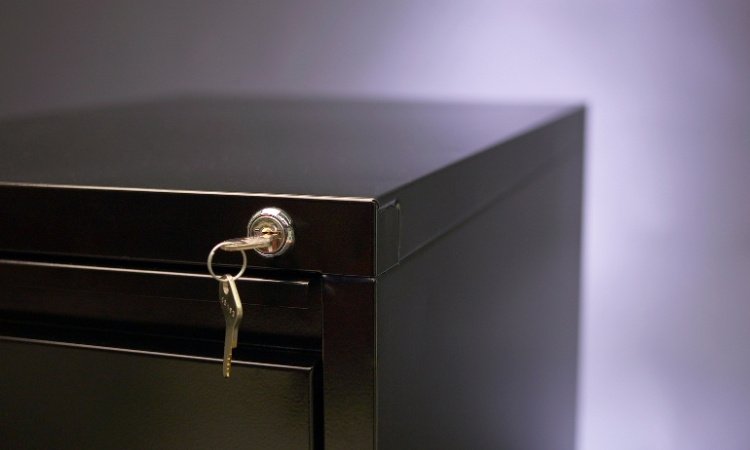
A jammed file cabinet lock can disrupt your workflow and make important documents inaccessible. Whether you’ve lost the key, the lock mechanism is stuck, or the cabinet simply refuses to open, knowing how to open stuck file cabinet lock issues quickly and safely is essential for both home and office environments. This guide covers practical steps, safety tips, and when to call a professional, so you can regain access without causing unnecessary damage.
Before attempting any fixes, it’s important to understand the cause of the problem. Sometimes, a simple misalignment or debris inside the lock is to blame. In other cases, the issue may be with the key itself or with internal components that have worn out over time. For those dealing with recurring problems, resources like the locked file cabinet repair guide provide additional troubleshooting and repair strategies.
Common Reasons File Cabinet Locks Get Stuck
Understanding why a lock becomes jammed helps you choose the right solution. Here are the most frequent causes:
- Key Wear or Damage: Over time, keys can bend or wear down, making it difficult to turn the lock.
- Debris or Dust: Accumulated dirt inside the lock cylinder can prevent smooth operation.
- Misalignment: If the cabinet or lock mechanism is out of alignment, the locking bar may not retract properly.
- Rust or Corrosion: Moisture can cause internal parts to seize up, especially in older cabinets.
- Broken Internal Components: Springs or pins inside the lock may break, causing the mechanism to jam.
If you’re unsure about the cause, reviewing a detailed file cabinet lock not working guide can help you identify the issue before you begin repairs.
Quick Solutions for Opening a Jammed File Cabinet Lock
When you’re faced with a stuck lock, try these straightforward methods before resorting to force or professional help:
Lubricate the Lock Cylinder
A common reason for a stuck lock is lack of lubrication. Apply a graphite-based lubricant or a silicone spray into the keyhole. Insert the key and gently wiggle it back and forth. Avoid using oil-based products, as they can attract more dirt over time.
Check for Key Issues
Examine your key for bends, cracks, or excessive wear. If the key is damaged, try using a spare. Never force a key that won’t turn, as this can break it off inside the lock. If you suspect the key is the problem, a how to fix file cabinet lock resource may offer DIY solutions or advice on key replacement.
Gently Tap and Wiggle
Sometimes, a gentle tap on the lock face with a rubber mallet or the handle of a screwdriver can help loosen internal components. Insert the key and carefully wiggle it while applying slight turning pressure. This can help realign stuck pins or levers.
Advanced Techniques for Persistent Lock Problems
If basic methods don’t work, more advanced strategies may be necessary. Always proceed with caution to avoid damaging the cabinet or lock.
Use a Lock Pick or Bypass Tool
Lock picking should only be attempted if you have experience or the proper tools. Insert a tension wrench and pick into the keyhole, applying gentle pressure to turn the cylinder. This method is best reserved for those familiar with lock mechanisms. For step-by-step instructions, consult a reputable guide on bypassing file cabinet locks.
Remove the Lock Cylinder
If you have access to the inside of the cabinet (for example, through an open drawer), you may be able to unscrew or unclip the lock cylinder from the back. This allows you to remove and inspect the mechanism for damage or obstructions.
Try a Master Key or Universal Key
Some office file cabinets are designed to be opened with a master key. If your workplace has a facilities manager, ask if a master or override key is available.
When to Seek Professional Help
If none of the above solutions work, or if you’re concerned about damaging the cabinet, it’s best to contact a professional locksmith. Attempting to force the lock can result in broken keys, damaged drawers, or even injury. Locksmiths have specialized tools and experience to open stuck file cabinet locks efficiently and without harm.
For ongoing issues or if you suspect the lock mechanism is faulty, consider reading about how to repair file cabinet lock mechanisms to understand when a full replacement or repair is needed.
Preventing Future Lock Jams
Once you’ve resolved the immediate problem, take steps to prevent future lockouts:
- Lubricate the lock every six months with a graphite or silicone spray.
- Keep keys in a safe, accessible place and avoid using damaged keys.
- Clean the cabinet regularly to prevent dust buildup inside the lock.
- Check alignment of drawers and locking bars periodically.
- Replace worn or corroded locks before they become a problem.
If you encounter frequent lock issues, a comprehensive file cabinet lock repair service may be the best long-term solution.
Frequently Asked Questions
Can I open a stuck file cabinet lock without damaging the cabinet?
Yes, in most cases you can regain access using gentle methods like lubrication, careful wiggling of the key, or using a spare key. Avoid using excessive force, as this can cause permanent damage. If gentle methods fail, consult a locksmith.
What should I do if my key breaks off inside the lock?
If a key snaps off, try to remove the broken piece using needle-nose pliers or a broken key extractor. Avoid pushing the fragment further in. If you can’t remove it, a locksmith can extract the broken key and restore access.
How can I prevent my file cabinet lock from getting stuck again?
Regular maintenance is key. Lubricate the lock every few months, keep the area clean, and avoid using worn or bent keys. If the lock shows signs of wear or corrosion, replace it promptly to avoid future problems.