


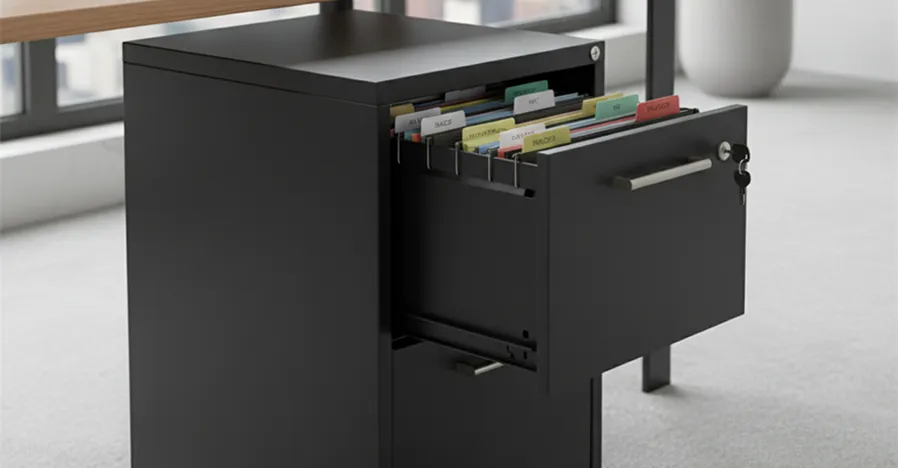
Keeping your office or home organized often depends on the reliability of your file cabinets. When a lock jams, it can disrupt workflow, compromise security, and lead to frustration. By following effective file cabinet lock maintenance tips, you can extend the life of your locks and avoid inconvenient issues down the road. This article covers essential steps for maintaining file cabinet locks, how to spot early warning signs, and what to do if problems arise.
Proper care not only ensures smooth operation but also protects sensitive documents. Whether you manage a busy office or use a cabinet for personal records, a little preventative maintenance goes a long way. If you’re dealing with persistent issues or need professional help, you might want to explore office file cabinet lock repair for expert solutions.
Why Regular Lock Care Matters
File cabinet locks are often overlooked until they fail. Routine attention helps prevent jams, broken keys, and costly repairs. Locks accumulate dust, debris, and moisture over time, which can cause internal parts to stick or corrode. Regular maintenance keeps mechanisms clean and lubricated, ensuring reliable access to your files.
Neglecting lock care can lead to:
- Difficulty turning the key or operating the lock
- Keys breaking off inside the lock
- Increased risk of lockouts and forced entry damage
- Premature wear, requiring replacement
By adopting a few simple habits, you can avoid these problems and keep your cabinets secure and functional.
Essential File Cabinet Lock Maintenance Tips
Implementing a routine for lock upkeep doesn’t require specialized skills. Here are practical steps to keep your file cabinet locks in top condition:
-
Clean the Lock Cylinder
Use a can of compressed air to blow out dust and debris from the keyway. Avoid using water or harsh chemicals, as these can cause rust or residue buildup. -
Lubricate Moving Parts
Apply a graphite-based lubricant or a lock-specific spray to the keyhole. Insert the key and turn it several times to distribute the lubricant evenly. Avoid oil-based products, which can attract dirt. -
Inspect for Wear and Damage
Check the lock and key for visible signs of wear, such as bent keys, loose cylinders, or rust. Replace worn keys to prevent them from breaking inside the lock. -
Operate Locks Gently
Never force a key or turn the lock aggressively. If you encounter resistance, stop and investigate rather than risking further damage. -
Keep Surrounding Areas Clean
Dust and debris around the cabinet can find their way into the lock. Wipe down the exterior regularly to minimize contamination.

How to Spot Early Warning Signs
Recognizing potential issues before they escalate is a key part of effective lock care. Here are some indicators that your file cabinet lock may need attention:
- Key feels stiff or difficult to insert/remove
- Lock doesn’t turn smoothly or requires extra force
- Visible rust, corrosion, or discoloration
- Strange noises when operating the lock
- Loose or wobbly lock cylinder
If you notice any of these signs, address them promptly. Early intervention can prevent a complete lockout or the need for emergency repairs. For more guidance on resolving stuck mechanisms, see these tips for opening a stuck file cabinet lock.
When to Replace or Repair Your Lock
Even with diligent maintenance, locks can eventually wear out. If cleaning and lubrication don’t restore smooth operation, it may be time to repair or replace the lock. Consider the following:
- If the key breaks inside the lock and you can’t remove it
- When the lock no longer secures the cabinet properly
- If the mechanism is severely corroded or damaged
Deciding between repair and replacement depends on the lock’s condition and your security needs. For a detailed comparison, check out this guide on file cabinet lock replacement vs repair.
DIY Troubleshooting for Common Lock Problems
Minor issues can often be resolved without professional help. Here are some quick fixes for common file cabinet lock problems:
- Stuck Key: Gently wiggle the key while pulling it out. Avoid using excessive force. If necessary, apply a small amount of graphite powder to the key.
- Sticky Lock: Clean the keyway with compressed air and lubricate as described above.
- Loose Lock Cylinder: Tighten any visible screws or fasteners. If the cylinder remains loose, it may need professional adjustment.
For step-by-step instructions on removing a faulty lock, refer to this DIY file cabinet lock removal guide. If you encounter a lock that’s beyond repair, a comprehensive tutorial on replacing file cabinet locks can help you install a new one safely.
Professional Help for Persistent Issues
Some lock problems require specialized tools or expertise. If you’re unable to resolve a jam, or if the lock is damaged beyond simple fixes, it’s best to call a professional locksmith. They can safely open stuck cabinets, extract broken keys, and install new locks as needed. For those seeking secure solutions, consider this broken file cabinet lock solution for restoring access and peace of mind.
Professional locksmiths can also recommend upgraded locking systems for added security, especially in environments where sensitive information is stored. Regular maintenance, combined with expert support when needed, ensures your file cabinets remain both accessible and protected.
Preventative Measures for Long-Term Reliability
Beyond routine cleaning and lubrication, there are additional steps you can take to prevent future lock jams:
- Keep spare keys in a secure, accessible location
- Label keys clearly to avoid confusion or misuse
- Train staff or family members on proper lock operation
- Schedule periodic inspections, especially in high-use environments
- Upgrade to higher-quality locks if your current ones show frequent issues
By making lock care a regular part of your maintenance routine, you’ll reduce the risk of unexpected problems and ensure your files remain secure.
FAQ: File Cabinet Lock Maintenance
How often should I lubricate my file cabinet lock?
It’s recommended to lubricate the lock every six months, or more frequently if the cabinet is in a dusty or high-use environment. Use a graphite-based lubricant for best results.
What should I do if my key breaks inside the lock?
First, try to remove the broken piece with needle-nose pliers. Avoid using excessive force. If you can’t extract it, contact a locksmith to prevent further damage to the lock mechanism.
Can I use WD-40 or oil for lock maintenance?
It’s best to avoid oil-based products like WD-40, as they can attract dust and debris, leading to more frequent jams. Stick to graphite powder or lock-specific lubricants for optimal performance.
Is it better to repair or replace a jammed file cabinet lock?
The decision depends on the extent of the damage. Minor issues can often be repaired with cleaning and lubrication. If the lock is severely worn or damaged, replacement is usually the safer and more reliable option.