Steel file cabinets are essential for keeping sensitive documents secure in offices, schools, and even home workspaces. Over time, their locks can become worn, jammed, or even break entirely, making it difficult to keep files protected. Understanding the ins and outs of metal file cabinet lock repair can save you time, money, and frustration—whether you’re dealing with a stuck key, a broken cylinder, or a lock that just won’t turn.
This guide covers practical troubleshooting, step-by-step repair advice, and when to call a professional locksmith. You’ll also find tips for maintaining your steel cabinet locks to prevent future issues. If you’re looking for more in-depth solutions, check out our related resource on office file cabinet lock repair for additional professional insights.
Common Issues With Steel File Cabinet Locks
Steel units are built for durability, but their locking mechanisms can develop problems due to frequent use, age, or lack of maintenance. Here are some of the most frequent issues that lead to the need for metal file cabinet lock repair:
- Key won’t turn: This can be caused by dirt, debris, or a misaligned lock cylinder.
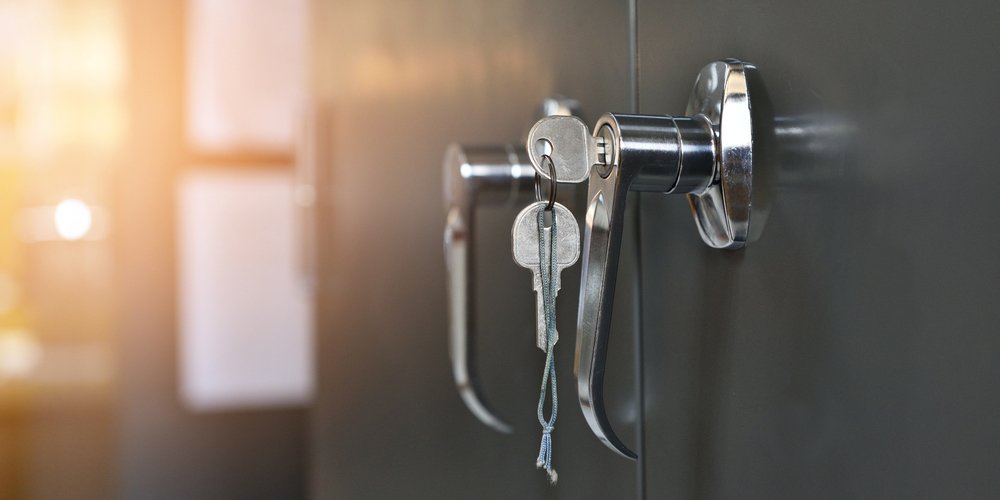
- Key stuck in the lock: Often a sign of worn keys or internal lock damage.
- Lock spins freely: Indicates a broken or disconnected locking cam.
- Drawer won’t unlock: Sometimes the locking bar inside the cabinet is jammed or bent.
- Lost or broken keys: A common reason for lock replacement or rekeying.
Identifying the specific problem is the first step toward an effective solution. For more targeted repairs, you may also want to read about file cabinet lock cylinder repair to address issues at the core of the locking mechanism.

Step-by-Step Guide to Fixing File Cabinet Locks
Before starting any repair, ensure you have the right tools: a screwdriver, needle-nose pliers, lubricant (like graphite or silicone spray), and a replacement lock if needed. Here’s how to address some of the most common lock problems:
1. Lubricating a Stiff or Jammed Lock
If your key is difficult to turn or the lock feels sticky, dirt or corrosion may be the culprit. Spray a small amount of lubricant into the keyway and gently work the key in and out. Avoid using oil-based products, as they can attract more dust and debris.
2. Removing a Broken or Stuck Key
Use needle-nose pliers to gently pull out a stuck or broken key. If the key is snapped off inside, insert a thin wire or a broken key extractor tool to hook and remove the fragment. For a detailed walkthrough, see our guide on how to remove file cabinet lock.
3. Replacing a Faulty Lock Cylinder
If the lock spins or won’t engage, the cylinder may need to be replaced. Open the drawer (if possible), locate the retaining clip or screw on the back of the lock, and remove it. Slide out the old lock and insert the new one, securing it with the clip or screw. Test the new lock several times before closing the cabinet.
4. Realigning the Locking Bar
Sometimes, the locking bar inside the cabinet becomes bent or misaligned, preventing the drawers from unlocking. Remove the top drawer to access the mechanism, then gently bend the bar back into place or clear any obstructions.
When to Call a Professional Locksmith
While many minor repairs can be handled with basic tools, some situations require expert help. If you’ve lost all keys, the lock is severely damaged, or you’re dealing with a high-security cabinet, it’s best to contact a locksmith. They have specialized tools and experience to handle complex repairs without damaging your steel unit.
For urgent or after-hours needs, consider reaching out to a 24/7 locksmith who can quickly restore access and security to your files. Professional services can also help with rekeying, upgrading to more secure locks, or installing new locking systems.
For more information about replacement options and what to expect, visit this comprehensive file cabinet lock replacement guide from industry experts.
Preventative Maintenance for Steel Cabinet Locks
Regular upkeep can extend the life of your locking mechanisms and reduce the need for future repairs. Here are some practical maintenance tips:
- Clean the lock exterior and keyway with compressed air or a soft brush to remove dust and debris.
- Lubricate the lock every six months with a graphite or silicone-based product.
- Check the alignment of the locking bar and adjust as needed.
- Replace worn or bent keys to avoid damaging the cylinder.
- Inspect for signs of rust or corrosion, especially in humid environments.
For more expert advice, see our article on file cabinet lock maintenance tips to keep your steel units operating smoothly.
Upgrading Security: When Replacement Is the Best Option
Sometimes, repairing an old or damaged lock isn’t enough. Upgrading to a new locking system can provide better protection for your documents and peace of mind. Modern steel file cabinets offer options like keyless entry, combination locks, or electronic locking mechanisms. If your current lock is outdated or repeatedly fails, consider a full replacement.
For situations where the lock is beyond repair, or if you need to secure sensitive files after a break-in, you’ll find helpful solutions in our broken file cabinet lock solution resource.
Frequently Asked Questions
How do I know if my steel file cabinet lock needs repair or replacement?
If the key is difficult to turn, the lock feels loose, or the mechanism doesn’t engage properly, it’s time to inspect the lock. Minor issues like stiffness can often be fixed with lubrication, but if the lock is damaged or the key is stuck, replacement may be necessary.
Can I repair a metal file cabinet lock myself?
Many simple problems—such as stuck keys or minor misalignments—can be fixed with basic tools and patience. However, if you’re unsure or the lock is severely damaged, it’s safer to consult a locksmith to avoid further damage.
What should I do if I lose all the keys to my file cabinet?
If you’ve lost every key, a locksmith can open the cabinet and either rekey or replace the lock. For high-security cabinets, professional help is strongly recommended to maintain the integrity of the locking system.
How can I prevent future lock problems with my steel file cabinet?
Regular cleaning, lubrication, and careful use of keys are the best ways to prevent issues. Avoid forcing the key if it feels stuck, and replace any keys that show signs of wear.
Are there more secure alternatives to standard file cabinet locks?
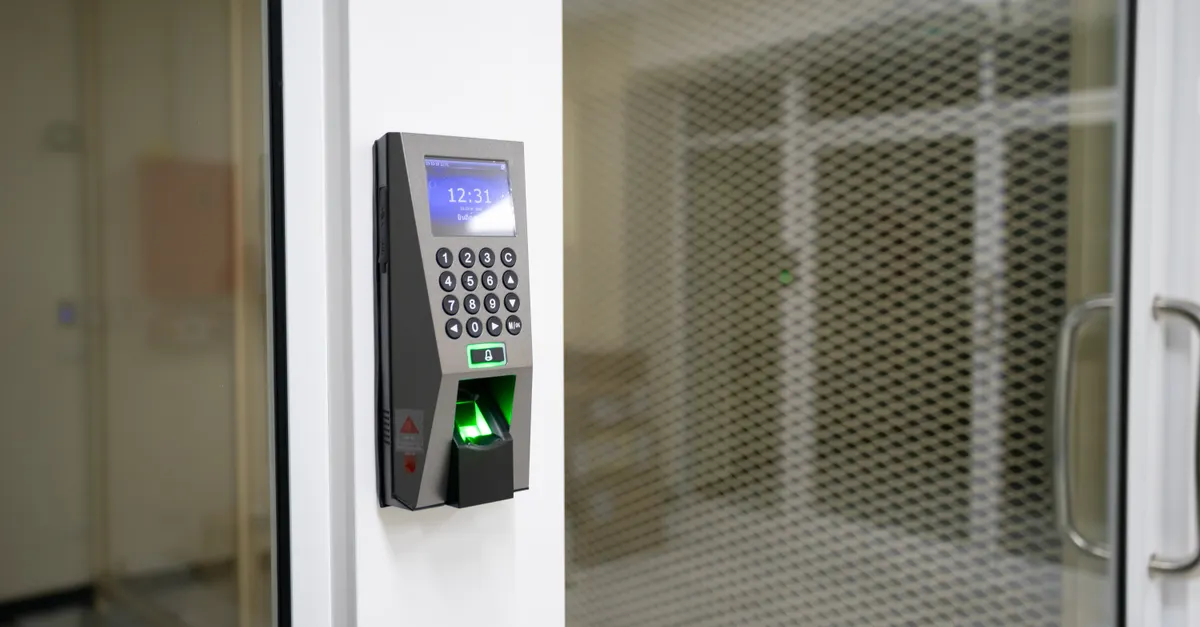
Yes, you can upgrade to combination locks, electronic locks, or even biometric systems for added security. These options are especially useful for offices handling confidential or sensitive information.