File cabinets are essential for keeping sensitive documents and valuables secure in offices, schools, and homes. Yet, many people rarely think about the mechanisms that keep these cabinets locked and protected. Understanding how file cabinet locks work can help you make better decisions about security, maintenance, and troubleshooting if you ever encounter a jammed or broken lock.
This article provides a detailed look at the inner workings of file cabinet locking systems, including the main types of locks, their components, and practical advice for maintenance and repair. If you’re dealing with a stubborn lock or considering upgrading your cabinet’s security, this guide will help you get familiar with the basics and beyond.
For those interested in more advanced troubleshooting or repairs, you may want to explore metal file cabinet lock repair for steel units, which covers specialist tips for handling stubborn or damaged locks.
Understanding the Basics: What Makes File Cabinet Locks Secure?
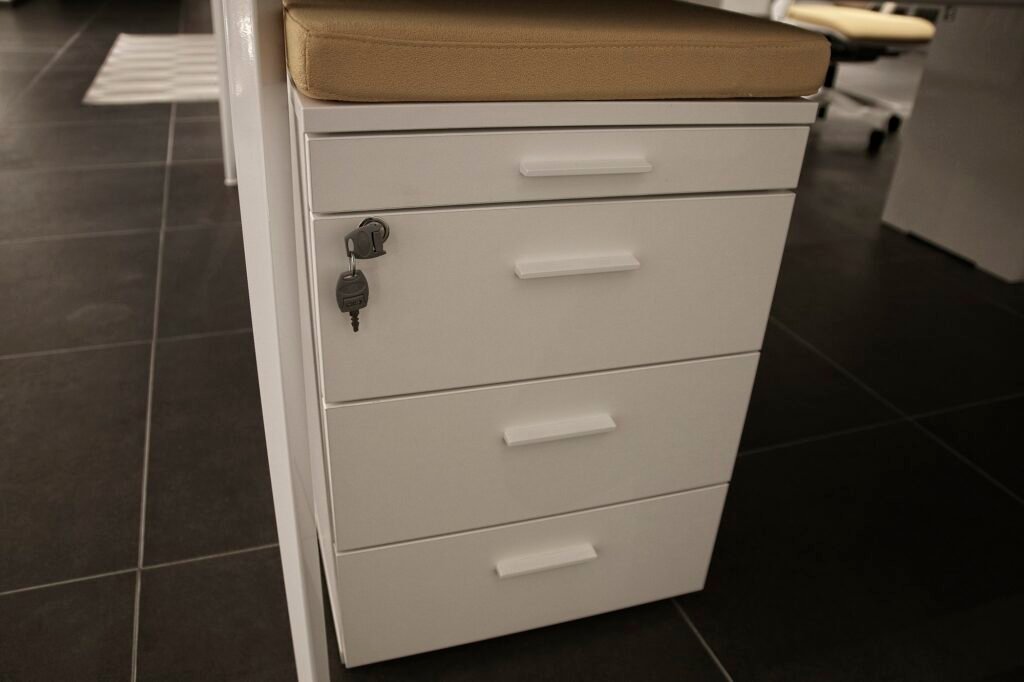
At their core, file cabinet locks are designed to prevent unauthorized access to the drawers and their contents. Most cabinets use a simple yet effective mechanism that relies on a lock cylinder, a cam or locking bar, and a set of tumblers or wafers. When a key is inserted and turned, the internal mechanism either moves a bar or rotates a cam, physically blocking or allowing the drawer to open.
There are several types of locking systems commonly found in file cabinets:
- Cam locks: The most common type, using a rotating metal piece (the cam) to secure the drawer.
- Plunger locks: Operate with a push-button action, often found in vertical cabinets.
- Lock bars: Use a vertical bar that engages multiple drawers at once, often controlled by a single lock.
Each of these mechanisms offers varying levels of security and convenience, but all share the same basic principle: a physical barrier controlled by a key or combination.
Key Components Inside a File Cabinet Lock
To understand how file cabinet locks work, it helps to break down the main components found in most cabinet lock assemblies:
- Lock Cylinder: This is where the key is inserted. Inside, a series of pins, wafers, or discs align when the correct key is used, allowing the cylinder to turn.
- Cam or Locking Bar: Connected to the back of the cylinder, this piece rotates or moves up and down to engage or disengage the locking mechanism.
- Retaining Clip: Holds the lock cylinder in place within the cabinet body.
- Strike Plate: Mounted inside the cabinet, this is where the cam or bar locks into place to prevent the drawer from opening.
When you turn the key, the cylinder rotates, moving the cam or bar out of the way and allowing the drawer to slide open. Reversing the action locks the drawer securely.

Types of File Cabinet Lock Mechanisms
There are several variations in the way file cabinet locks operate, each offering different features and levels of protection. Here are the most common types:
Cam Locks
Cam locks are the simplest and most widely used system. The lock cylinder turns a flat metal cam, which rotates behind the cabinet frame or a strike plate to secure the drawer. These are easy to install and replace, making them a popular choice for both home and office use.
Plunger Locks
Plunger locks use a push-to-lock, key-to-unlock mechanism. Pressing the plunger secures the drawer, while inserting and turning the key releases it. These are often found in vertical file cabinets and offer quick locking without needing to use the key every time.
Lock Bar Systems
Some cabinets use a lock bar that runs vertically along the inside of the cabinet, engaging with multiple drawers at once. Turning the key moves the bar up or down, locking or unlocking all drawers simultaneously. This system is common in high-security or multi-drawer units.
If your lock is malfunctioning, you might find helpful advice in resources like broken file cabinet lock solution, which covers easy ways to secure your files when the lock isn’t working as intended.
Common Problems and Troubleshooting Tips
Even the best cabinet locks can develop issues over time. Here are some frequent problems and how to address them:
- Key Won’t Turn: This could be due to dirt, misalignment, or a worn key. Try lubricating the lock with graphite powder and gently wiggling the key. Avoid using oil-based lubricants, as they can attract dust and gum up the mechanism.
- Drawer Stuck in Locked Position: Sometimes, the cam or bar can become misaligned. Gently jiggling the drawer while turning the key can help. If the lock is damaged, you may need to remove and replace it.
- Lost Key: If you’ve lost your key, a locksmith can often create a new one or help you open the cabinet without damaging it. For DIY removal, see guides on how to remove file cabinet lock safely.
For more advanced repairs, such as restoring the function of the cylinder itself, check out file cabinet lock cylinder repair for step-by-step instructions.

Maintenance Tips for Long-Lasting Security
Regular maintenance is key to ensuring your cabinet locks remain secure and functional. Here are some practical tips:
- Clean the lock cylinder periodically with compressed air to remove dust and debris.
- Lubricate the mechanism with graphite powder every six months to keep it operating smoothly.
- Check for loose screws or hardware and tighten them as needed.
- Inspect keys for wear and replace them if they become bent or damaged.
For more detailed advice, see file cabinet lock maintenance tips to help prevent jams and extend the life of your locking system.
What to Do If You’re Locked Out
Getting locked out of a file cabinet can be frustrating, especially if you need urgent access to important documents. If standard troubleshooting doesn’t work, you can consult resources like this community discussion on opening a locked file cabinet for practical advice from others who have faced similar challenges. In some cases, professional locksmiths may be required to avoid damaging the cabinet or its contents.
Frequently Asked Questions
Can I Replace a File Cabinet Lock Myself?
Yes, most file cabinet locks are designed for easy replacement. You typically need to remove the retaining clip, slide out the old lock, and insert a new one. Always ensure you purchase the correct size and type for your cabinet.
Are File Cabinet Locks Secure Enough for Sensitive Documents?
Standard cabinet locks provide basic security but may not be sufficient for highly sensitive or valuable items. For greater protection, consider cabinets with advanced locking systems or supplement with additional security measures.
How Often Should I Maintain My File Cabinet Lock?
It’s a good idea to clean and lubricate your lock every six months, or more frequently if the cabinet is used heavily. Regular maintenance helps prevent jams and extends the life of the lock.
Conclusion
Understanding how file cabinet locks work gives you the knowledge to maintain, repair, or upgrade your storage security with confidence. By learning about the different mechanisms, key components, and common troubleshooting steps, you can keep your documents safe and your cabinets functioning smoothly. If you ever encounter persistent issues, don’t hesitate to consult a professional locksmith for expert assistance.