


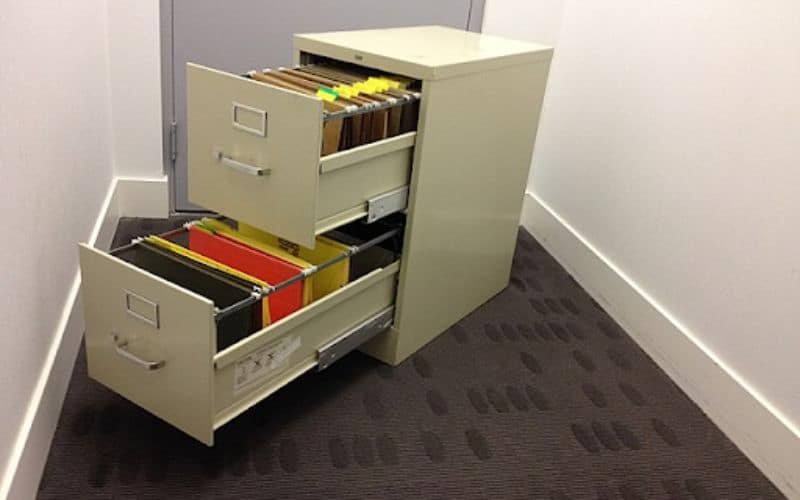
Understanding how a file cabinet’s lock works can save you time, money, and frustration when you’re faced with a jammed drawer or a malfunctioning lock. Whether you’re a facilities manager, small business owner, or simply want to keep your documents secure at home, a clear visual guide to the internal workings of these mechanisms is invaluable. This article provides a practical overview of file cabinet locking systems, complete with diagrams, repair tips, and essential troubleshooting steps.
We’ll break down the main components, explain how they interact, and show you where common failures occur. If you’re looking for step-by-step repair advice, you’ll also find links to specialized guides, such as file cabinet cam lock repair, to help you address specific issues. Let’s get started by examining the anatomy of a typical file cabinet lock and how its parts work together to keep your documents safe.
Understanding the Anatomy of File Cabinet Locks
Most file cabinets use a simple but effective locking system. The core components include:
- Lock Cylinder: The part where you insert the key. Turning the key rotates the cylinder, which in turn moves other internal parts.
- Cam or Lock Bar: A metal piece attached to the back of the cylinder. When rotated, it either engages or disengages with the cabinet frame or drawer, locking or unlocking the unit.
- Locking Rods: In multi-drawer cabinets, rods connect the lock to each drawer, ensuring all drawers are secured simultaneously.
- Strike Plate: The fixed metal plate that the cam or bar latches onto when locked.
These elements work together to provide security and smooth operation. Problems usually arise when one of these parts becomes loose, bent, or misaligned.
Visual Breakdown: How the Locking Mechanism Works
To help you visualize the process, refer to the following diagram of a typical file cabinet lock. This image highlights the key internal parts and their relationship to each other.
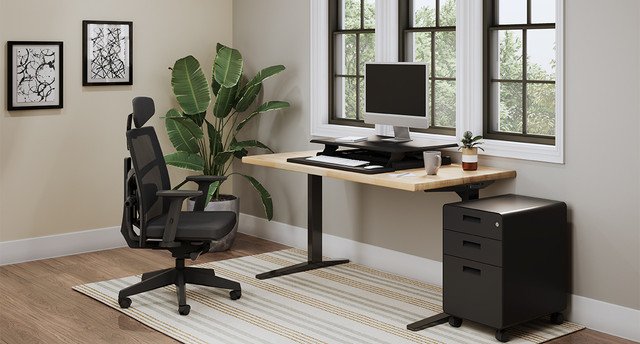
When you turn the key, the cylinder rotates the cam. In a single-drawer unit, the cam directly blocks or releases the drawer. In multi-drawer cabinets, the cam moves a rod system that locks or unlocks all drawers at once. If the cam or rods are not properly aligned, the lock may not function correctly, causing drawers to remain stuck or unsecured.
Common Issues and Troubleshooting Tips
Even with a clear understanding of the locking mechanism, problems can arise. Here are some frequent issues and how to address them:
- Key Won’t Turn: This could be due to a misaligned cam, debris inside the cylinder, or a bent key. Try lubricating the lock with graphite powder and gently wiggling the key.
- Drawer Stuck in Locked Position: The locking rod may be jammed or the cam could be loose. Remove the lock core if possible and inspect for obstructions or damage.
- Lock Spins Freely: This usually means the cam has detached from the cylinder. You’ll need to access the back of the lock and reattach or replace the cam.
- Multiple Drawers Not Locking: Check the connecting rods for bends or disconnections. Realign or replace as needed.
For more detailed repair instructions, see the two drawer file cabinet lock repair guide, which covers small office units in depth.
Step-by-Step Guide: Accessing and Repairing the Lock
Before attempting repairs, gather basic tools: a screwdriver, needle-nose pliers, and a replacement lock or cam if needed. Always work with the cabinet empty to avoid injury or further damage.
- Remove the Lock Core: Open the drawer (if possible) and locate the retaining clip or screw holding the lock in place. Remove it carefully.
- Inspect the Cam and Rods: Look for signs of wear, bending, or disconnection. If the cam is loose, tighten or replace it.
- Replace Damaged Parts: Swap out any broken components. Replacement locks and cams are widely available at hardware stores.
- Reassemble and Test: Reinsert the lock, secure it with the retaining clip or screw, and test the lock with the key. Ensure all drawers lock and unlock smoothly.
If you’re working with a metal cabinet, you may find additional tips in the metal file cabinet lock repair article, which focuses on steel units and their unique challenges.
When to Call a Professional Locksmith
Some repairs are straightforward, but others—like a broken key inside the cylinder or a lock that won’t budge—may require expert help. If you’re unable to resolve the issue after following the steps above, or if you’re concerned about damaging your cabinet, it’s wise to contact a professional. For urgent situations, a 24/7 locksmith can provide rapid assistance and ensure your documents remain secure.
For more in-depth troubleshooting and repair advice, you can consult resources like this comprehensive guide to repairing a broken filing cabinet lock.
Maintenance Tips for Long-Term Reliability
To keep your file cabinet’s locking system working smoothly, consider these simple maintenance practices:
- Lubricate the lock cylinder with graphite powder every six months.
- Check the cam and rods for tightness and alignment during routine office maintenance.
- Avoid overloading drawers, which can stress the locking mechanism.
- Replace worn keys to prevent damage to the cylinder.
For ongoing issues with drawers sticking or not locking properly, the file cabinet drawer lock repair resource offers simple fixes for smooth sliding and improved security.
Advanced Systems: Multi-Drawer and Specialty Locks
Some cabinets use more complex systems, such as three-drawer units with interconnected lock bars or specialty locks for sensitive documents. These often require additional steps for disassembly and repair. If you’re dealing with a multi-drawer unit, the three drawer file cabinet lock system repair guide provides expert maintenance tips tailored to these advanced mechanisms.
FAQ
What should I do if my file cabinet key is lost or broken?
If you’ve lost your key or it’s broken inside the lock, avoid forcing the lock open. Instead, contact a locksmith who can extract the broken key or create a replacement. Many locksmiths can also rekey the lock to work with a new key for added security.
How can I tell if the locking mechanism is damaged?
Signs of damage include difficulty turning the key, drawers that won’t lock or unlock, or a lock that spins without engaging. Inspect the cam, rods, and cylinder for visible wear, bends, or loose connections. If you’re unsure, a professional inspection can help identify hidden issues.
Are replacement parts for file cabinet locks easy to find?
Yes, most hardware stores and online retailers offer replacement lock cylinders, cams, and rods for standard file cabinets. Be sure to match the size and type of your existing lock. For specialty or older cabinets, you may need to order parts from the manufacturer or consult a locksmith for compatible options.