Living in a rural area offers peace, privacy, and a connection to nature, but it also comes with unique security challenges. Remote properties are often more vulnerable to break-ins due to their isolation and longer emergency response times. Choosing the best deadbolt for rural homes is a critical step in safeguarding your family, belongings, and peace of mind. This guide explores what makes a deadbolt effective for rural settings, the top features to look for, and how to make the right choice for your property.
Before diving into the different types of deadbolts and their benefits, it’s important to ensure you’re selecting the right size and fit for your doors. For step-by-step instructions, see how to measure for a deadbolt.
Why Security Needs Are Different for Rural Properties
Unlike urban homes, rural residences are often set back from main roads and surrounded by open land or forest. This seclusion can be appealing to intruders, as neighbors and passersby are less likely to notice suspicious activity. Additionally, law enforcement may take longer to arrive, making it essential to have robust physical barriers in place.
For these reasons, the best deadbolt for rural homes must offer more than just basic security. It should withstand forced entry attempts, resist weather extremes, and integrate with other security measures if needed.
Key Features to Look for in a Rural Deadbolt
When evaluating deadbolts for remote properties, prioritize the following features:
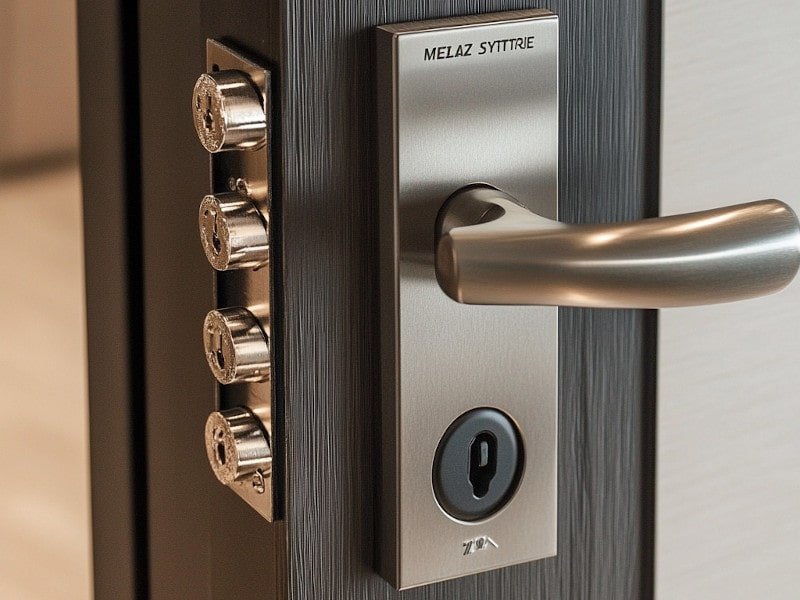
- High-Grade Materials: Choose deadbolts made from hardened steel or solid brass for maximum strength.
- ANSI/BHMA Grade 1 Certification: This is the highest rating for residential locks, indicating superior resistance to picking, drilling, and forced entry.
- Long Throw Bolt: A bolt that extends at least one inch into the door frame offers better protection against kick-ins.
- Weather Resistance: Look for models with rustproof finishes and seals to withstand rural climates.
- Key Control: Consider locks with restricted keyways to prevent unauthorized key duplication.
- Smart Integration: Some modern deadbolts offer remote access and monitoring, which can be valuable for rural homeowners who travel or manage multiple properties.
Types of Deadbolts Suitable for Remote Homes
There are several types of deadbolts, each with advantages and drawbacks for rural security. Understanding these options helps you choose the most effective solution for your needs.
Single Cylinder Deadbolts
These are the most common type, operated by a key from the outside and a thumb turn from the inside. They are straightforward and reliable, but if your door has glass panels, an intruder could break the glass and unlock the door from inside.
Double Cylinder Deadbolts
Double cylinder models require a key on both sides, making them more secure for doors with glass or nearby windows. However, they can pose a safety risk in emergencies if a key is not readily available inside.
Keyless and Smart Deadbolts for Rural Security
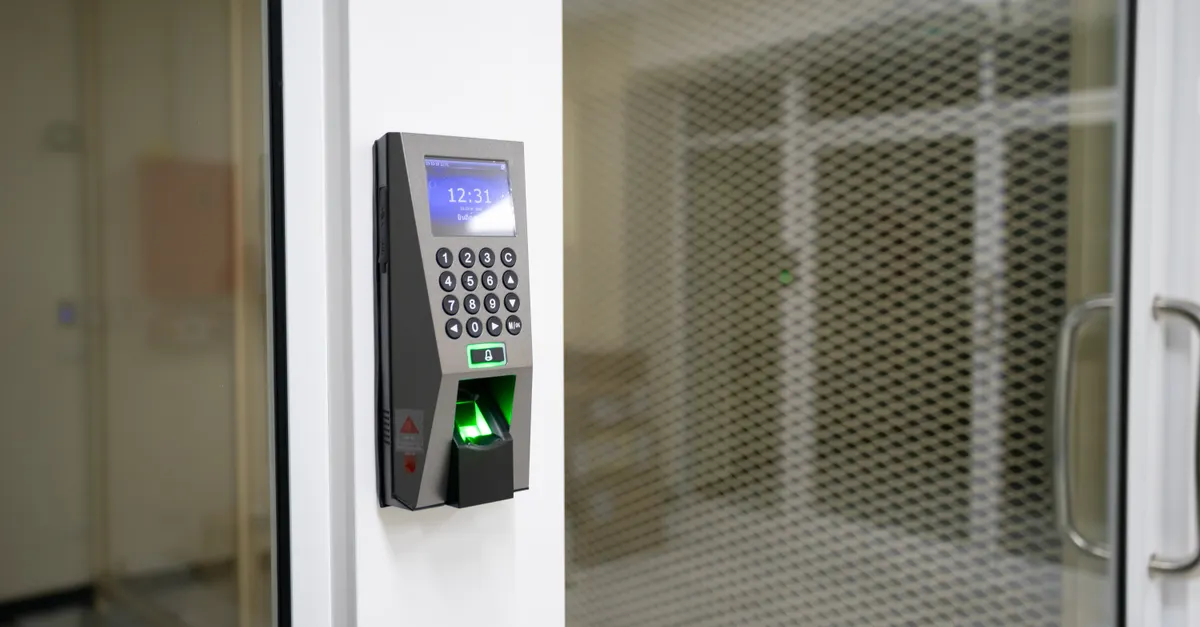
Keyless entry deadbolts, including keypad and smart locks, are gaining popularity in rural settings. They eliminate the need for physical keys and can offer remote control features, such as locking or unlocking from your smartphone. Some models also include tamper alerts and activity logs, providing extra peace of mind.
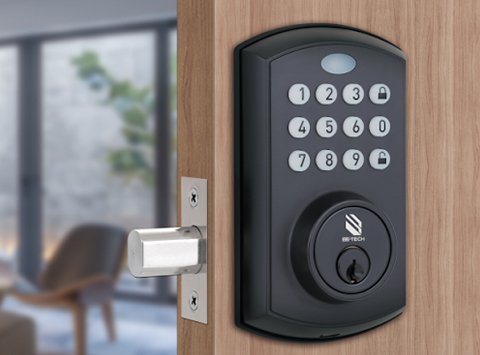
For a detailed breakdown of the various deadbolt types and their security ratings, see this comprehensive guide to deadbolt lock types.
Top Considerations When Choosing the Best Deadbolt for Rural Homes
Every rural property is unique, so it’s important to match your lock to your specific needs. Here are some factors to weigh:
- Door Material and Construction: Solid wood or metal doors are best paired with heavy-duty deadbolts. Hollow-core doors are not recommended for exterior use in rural settings.
- Existing Security Measures: If you have security cameras, alarms, or reinforced frames, a smart deadbolt can integrate seamlessly and provide additional layers of protection.
- Ease of Use: Consider who will need access. Keyless options are convenient for families, guests, or property managers, especially if you need to grant temporary access.
- Maintenance and Durability: Rural environments can be tough on hardware. Opt for weather-resistant finishes and periodically check for signs of wear or malfunction. For more on longevity, see why deadbolts fail over time.
Installation Tips for Maximum Security
Even the most robust deadbolt won’t provide adequate security if installed incorrectly. Here’s how to ensure your lock performs as intended:
- Use the Right Tools: Follow manufacturer instructions and use a template to ensure proper alignment.
- Reinforce the Strike Plate: Replace short screws with 3-inch screws that anchor into the wall stud, not just the door frame.
- Check for Smooth Operation: The bolt should extend fully and retract smoothly without sticking or jamming. If you notice issues, consult this article on what causes deadbolt jamming.
- Test Regularly: Periodically check your deadbolt for signs of wear, rust, or difficulty turning. If you spot problems, review the signs your deadbolt needs replacement.

Common Mistakes to Avoid When Securing Rural Properties
Many homeowners invest in high-quality locks but overlook other vulnerabilities. Avoid these common pitfalls:
- Installing deadbolts on weak or hollow doors
- Neglecting to reinforce door frames and strike plates
- Leaving spare keys in obvious places outside
- Forgetting to maintain or replace worn-out hardware
- Relying solely on a single lock for security
Combining a robust deadbolt with other security measures—such as motion-activated lights, cameras, and reinforced doors—provides the best defense for rural homes.
Frequently Asked Questions
What is the most secure type of deadbolt for a rural property?
The most secure option is typically an ANSI/BHMA Grade 1 deadbolt with a long throw bolt and reinforced strike plate. Double cylinder deadbolts offer added security for doors with glass, while smart deadbolts can provide remote monitoring and control.
How often should I replace or maintain my deadbolt?
Inspect your deadbolt at least once a year for signs of wear, rust, or difficulty turning. Replace it immediately if you notice any issues that compromise its function. For more details, see our article on signs your deadbolt needs replacement.
Are smart deadbolts a good choice for remote homes?
Smart deadbolts can be an excellent choice for rural properties, especially if you want to monitor access remotely or grant temporary entry to guests or service providers. Just ensure the lock has a reliable power source and backup entry method in case of connectivity issues.
Conclusion
Securing a rural property requires careful consideration of unique risks and challenges. By selecting a high-quality deadbolt designed for durability, strength, and weather resistance, you can significantly enhance your home’s security. Combine your lock with other protective measures and regular maintenance to keep your remote property safe year-round.