Keyless entry systems have become a standard feature in modern vehicles, offering convenience and enhanced security. However, as technology advances, so do the methods used by thieves to exploit these systems. One of the most discussed solutions for protecting car access is RFID blocking for key fobs. But how effective are these products, and do they genuinely keep your vehicle safe from signal theft?
This article explores how RFID-blocking technology works for automotive key fobs, the science behind signal interception, and whether investing in these protective accessories is worth it. We’ll also cover practical tips for safeguarding your keys and highlight related resources, such as this guide on how to store spare key fob at home, to help you make informed decisions about your vehicle’s security.
Understanding RFID Technology in Car Key Fobs
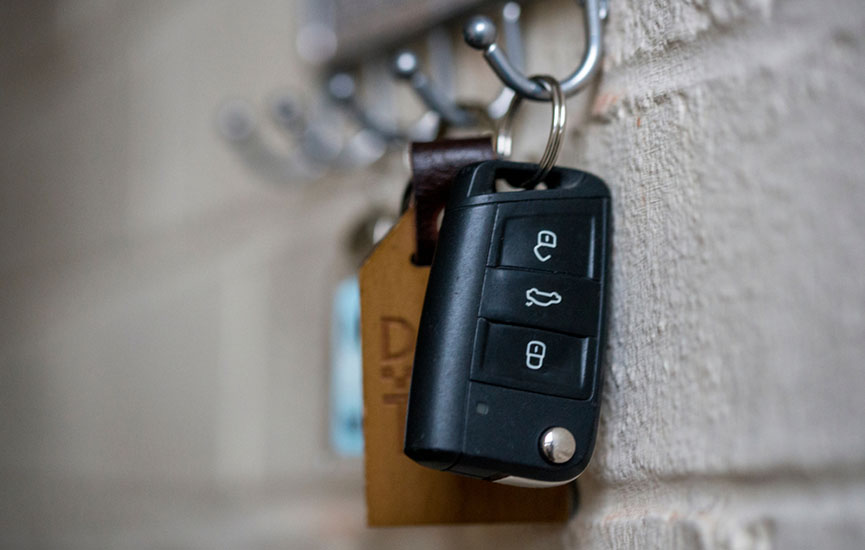
To grasp the value of RFID blocking for key fobs, it’s important to understand how these devices function. Most modern car keys use Radio Frequency Identification (RFID) or similar wireless communication protocols to interact with your vehicle. When you approach your car, the key fob emits a low-frequency signal that the vehicle recognizes, allowing you to unlock doors or start the engine without inserting a physical key.
This convenience, however, introduces new vulnerabilities. Criminals can use relay attacks or signal amplifiers to intercept and replicate your key fob’s signal, potentially gaining unauthorized access to your car. For a deeper dive into what a key fob is and how it works, see this comprehensive explanation of key fob technology.
How RFID Blocking Pouches and Cases Work
RFID-blocking accessories are designed to shield your key fob from unwanted radio frequency signals. These products, often called Faraday pouches, wallets, or boxes, use layers of conductive material to create a barrier that prevents electromagnetic signals from entering or leaving the enclosure. When your key fob is inside a properly constructed RFID-blocking pouch, its signal cannot be detected or relayed by external devices.
The effectiveness of these products depends on the quality of materials and construction. A well-made Faraday pouch will completely block signals, while poorly constructed or worn-out products may allow some signal leakage. It’s advisable to periodically test your pouch by attempting to unlock your car with the fob inside the pouch—if the car responds, the pouch is not providing adequate protection.
Can RFID Blocking for Key Fobs Prevent Car Theft?
The primary threat addressed by RFID blocking for key fobs is the so-called relay attack. In this scenario, thieves use two devices: one placed near your key fob (even inside your home) and another near your vehicle. The first device captures the fob’s signal and relays it to the second device, tricking the car into thinking the key is nearby and allowing entry or ignition.
By storing your key fob in an RFID-blocking pouch or box when not in use, you can effectively prevent these attacks. The pouch stops the signal from being transmitted, making it impossible for thieves to relay or amplify it. However, it’s important to remember that no security measure is foolproof. Combining RFID blocking with other best practices—such as keeping your keys away from entry points and regularly updating your vehicle’s software—provides the best protection.
Common Myths and Limitations of RFID-Blocking Accessories
There are several misconceptions about the capabilities of RFID-blocking products. Some believe that all pouches or wallets offer the same level of protection, but quality varies significantly between brands and models. Additionally, not all key fobs use the same frequency bands, so it’s crucial to choose a pouch designed for automotive use.
Another myth is that RFID-blocking accessories are only necessary for luxury vehicles. In reality, many mainstream brands use keyless entry systems vulnerable to relay attacks. It’s also worth noting that while RFID blocking can prevent signal theft, it does not protect against other forms of car theft, such as physical break-ins or hacking through the vehicle’s onboard systems.
Testing and Maintaining Your RFID-Blocking Pouch
To ensure ongoing protection, regularly test your RFID-blocking pouch or case. Place your key fob inside the pouch and attempt to unlock your car or start the engine. If the vehicle does not respond, the pouch is working as intended. Over time, wear and tear can degrade the effectiveness of the shielding material, so inspect your pouch for damage and replace it if necessary.
If you are interested in other ways to enhance your key fob’s performance and security, you may want to learn about a key fob signal booster or explore the best tools to open key fob case without damage for maintenance.
Additional Tips for Protecting Your Keyless Entry System
- Store your key fob away from doors and windows to reduce the risk of signal interception.
- Use a high-quality RFID-blocking pouch or box whenever your vehicle is parked at home or in public.
- Consider disabling keyless entry features if your vehicle allows it, especially overnight.
- Keep your vehicle’s software updated to patch potential vulnerabilities.
- Be cautious about sharing information about your car’s security features online or in public.
For those dealing with other security concerns, such as office or home storage, check out the locked file cabinet repair guide for practical advice on accessing locked cabinets without causing damage.
FAQ: RFID-Blocking and Key Fob Security
How do I know if my RFID-blocking pouch is working?
The simplest way to test is to place your key fob inside the pouch and try to unlock your car or start the engine. If the vehicle does not respond, the pouch is effectively blocking the signal. If the car still responds, the pouch may be faulty or not designed for automotive frequencies.
Are all RFID-blocking products equally effective?
No, the effectiveness of RFID-blocking accessories depends on the quality of materials and construction. Look for products specifically designed for automotive key fobs and check reviews or certifications before purchasing.
Is RFID blocking necessary for every car owner?
While not every vehicle is equally vulnerable, most modern cars with keyless entry systems can benefit from added protection. Using an RFID-blocking pouch is a simple and affordable way to reduce the risk of relay attacks, especially if you park in public areas or live in regions with higher rates of keyless car theft.
Conclusion: Is RFID-Blocking Worth It for Your Key Fob?
RFID-blocking accessories provide a practical layer of defense against signal theft and relay attacks targeting modern keyless entry systems. While not a complete solution to all vehicle security risks, using a quality pouch or case is a smart step for most car owners. Combine this measure with other best practices—such as secure storage, regular testing, and software updates—to maximize your vehicle’s protection. For urgent assistance or professional advice, don’t hesitate to reach out to local locksmith experts who can help you secure your keys and your car.