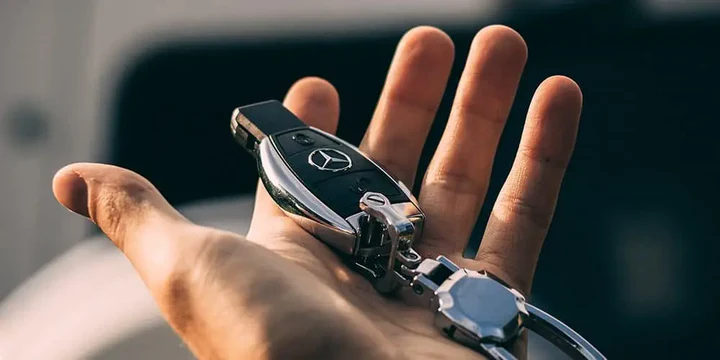
Key fobs have become an essential part of modern vehicle security and convenience. Whether you’re unlocking your car, starting the engine remotely, or popping the trunk, these compact devices are relied on daily. But many drivers eventually wonder: how long key fobs last before needing replacement or repair. Understanding the typical lifespan, what affects it, and how to extend it can help you avoid unexpected lockouts and costly emergencies.
This guide covers the average durability of car remotes, signs of failure, and practical tips for maximizing their longevity. You’ll also find advice on battery replacement, troubleshooting, and when to seek professional help. For those interested in related security topics, you may also want to explore our locked file cabinet repair guide for tips on accessing secure storage without damage.
Typical Lifespan of Car Remotes
The average car remote is designed to last between three and six years with regular use. However, several factors can influence this range. The most common reason for a fob to stop working is a depleted battery, but the internal electronics and physical wear can also play a role. Some high-quality remotes may function reliably for up to a decade, especially if they are well cared for and not exposed to harsh conditions.
It’s important to note that while the battery is often the first component to fail, the fob itself—meaning the circuit board, buttons, and casing—can also degrade over time. If you notice your remote working intermittently or requiring multiple presses, it may be time for a replacement or repair.
What Affects How Long Key Fobs Last?
Several variables determine the durability of your remote:
- Battery Quality and Usage: Most fobs use coin cell batteries that last 2–4 years. Frequent use, extreme temperatures, or leaving the fob in the car can shorten battery life.
- Build Quality: OEM (original equipment manufacturer) remotes typically outlast aftermarket versions due to better materials and assembly.
- Environmental Exposure: Moisture, heat, and physical impacts can damage the internal circuitry or cause corrosion, reducing lifespan.
- Frequency of Use: The more often you use the remote, the quicker the buttons and electronics may wear out.
For more on the different types of car keys and their durability, see this comprehensive overview of car key types.
Signs Your Key Fob Needs Replacement
Recognizing early warning signs can help you avoid being stranded. Watch for these indicators that your remote may be nearing the end of its useful life:
- Reduced range or inconsistent response
- Buttons sticking, not clicking, or failing to register
- Visible cracks, water damage, or corrosion inside the case
- Battery replacement does not restore full function
If you experience any of these symptoms, it’s wise to have a backup remote or consult a locksmith for a replacement. For guidance on keeping a spare remote secure, check out our article on how to store spare key fob at home.
How to Extend the Life of Your Remote
While all electronics have a limited lifespan, you can take steps to maximize the durability of your car remote:
- Replace the Battery Promptly: Don’t wait for total failure—swap batteries every 2–3 years or at the first sign of weakness.
- Keep It Dry: Avoid exposing the device to rain, snow, or humidity. If it gets wet, open the case and dry it thoroughly.
- Handle With Care: Dropping or crushing the fob can damage the circuit board or buttons.
- Store Securely: Don’t leave your remote in hot cars or direct sunlight for extended periods.
- Use the Right Tools: When opening the case for battery changes, use the best tools to open key fob case without damage to prevent accidental breakage.
When to Repair or Replace Your Remote
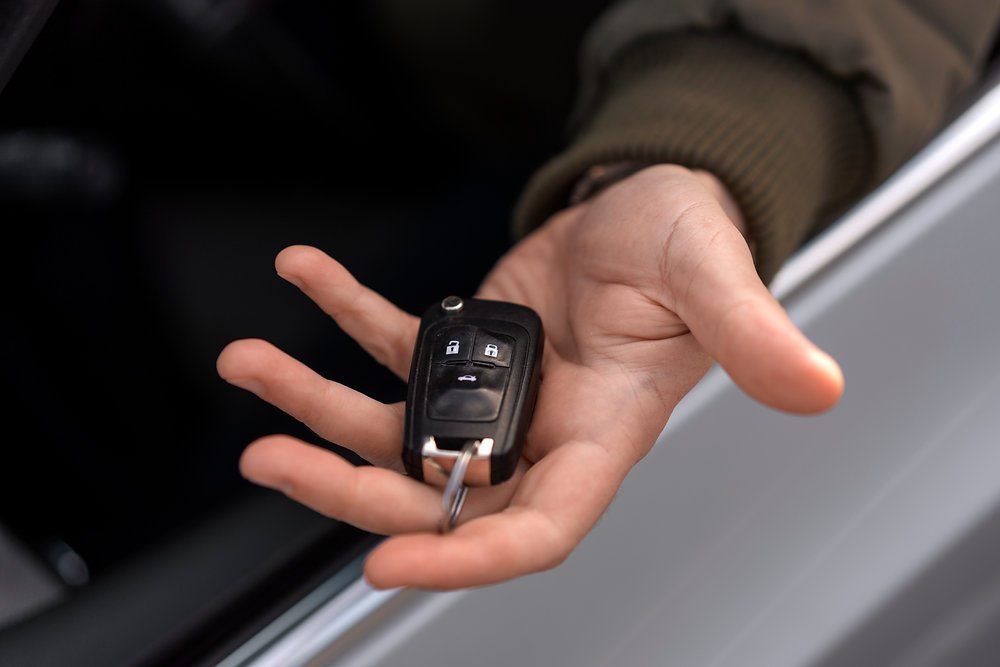
Sometimes, a malfunctioning remote can be repaired by replacing the battery or cleaning the contacts. However, if the circuit board is damaged or the case is cracked, replacement is usually the best option. Many locksmiths offer programming and replacement services for a fraction of dealership prices.
For those experiencing weak signal issues, a key fob signal booster might help, but it won’t solve problems caused by internal damage or dead batteries.
Professional Help and Security Considerations
If you’re unsure about the condition of your remote or need a new one programmed, a licensed locksmith can provide fast, reliable assistance. Always choose a reputable provider who follows licensed locksmith service transparency rules to ensure your security and privacy.
Remember, a failing remote is not just an inconvenience—it can also be a security risk if your car becomes vulnerable to unauthorized access. Don’t wait until you’re locked out or stranded to address remote issues.
Frequently Asked Questions
How often should I replace my key fob battery?
Most batteries last 2–4 years, but it’s wise to replace them every 2–3 years or when you notice reduced range or inconsistent performance. Always use the correct battery type recommended by your vehicle manufacturer.
Can I repair a broken car remote myself?
Simple issues like battery replacement or cleaning contacts can be handled at home with the right tools. However, if the circuit board is damaged or the case is cracked, professional repair or replacement is recommended to avoid further damage.
What should I do if my remote stops working suddenly?
First, try replacing the battery. If that doesn’t solve the problem, inspect the device for visible damage or corrosion. If issues persist, consult a locksmith for diagnostics and possible replacement.
Is it safe to buy aftermarket remotes?
Aftermarket options can be cost-effective, but they may not last as long as OEM versions. Always purchase from reputable sources, and ensure the remote is compatible with your vehicle and can be programmed securely.
How can I keep my remote secure at home?
Store your spare remote in a safe, dry place away from direct sunlight and extreme temperatures. For more tips, see our advice on how to store spare key fob at home.