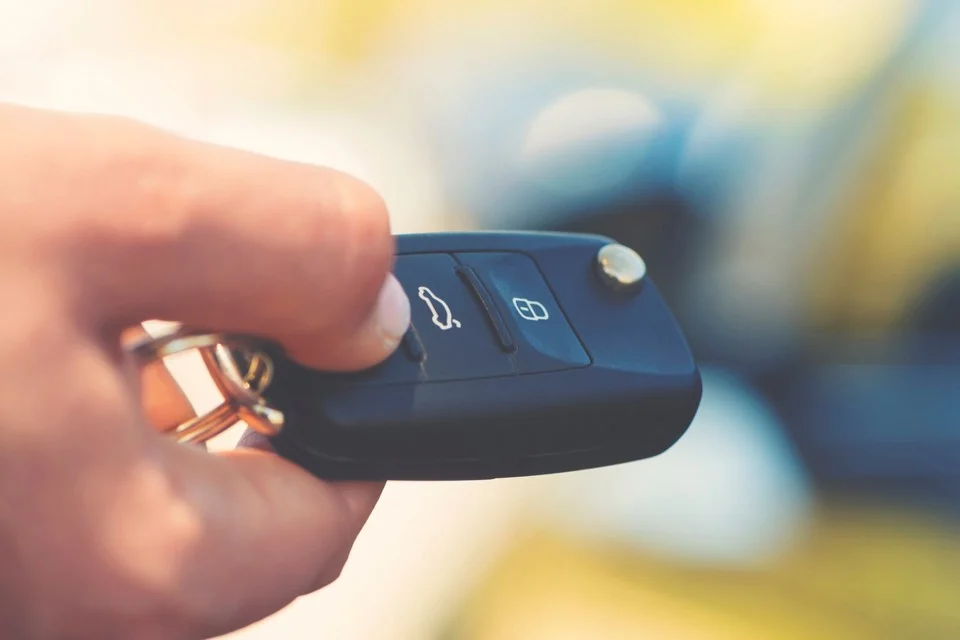
Modern vehicles rely heavily on electronic key fobs for convenience and security. If you’ve lost your remote, bought a replacement, or simply want a spare, you might wonder: can I program a key fob myself, or is this a job for a professional? The answer depends on your car’s make, model, and year, as well as the type of fob you have. This guide breaks down the process, highlights what’s possible for DIYers, and explains when you’ll need expert help.
Before diving into the steps, it’s important to understand that not all key fobs are created equal. Some vehicles allow owners to pair new remotes with simple procedures, while others require specialized equipment. If you’re also interested in keeping your spare fobs safe, check out this helpful resource on how to store spare key fob at home.
Understanding Different Types of Key Fobs
Keyless entry remotes come in several varieties, each with unique programming requirements. The most common types include:
- Traditional remote fobs: These unlock doors and may start the car, but usually don’t contain a transponder chip.
- Transponder keys: These have a chip that communicates with your car’s immobilizer system. Programming often requires syncing both the remote and the chip.
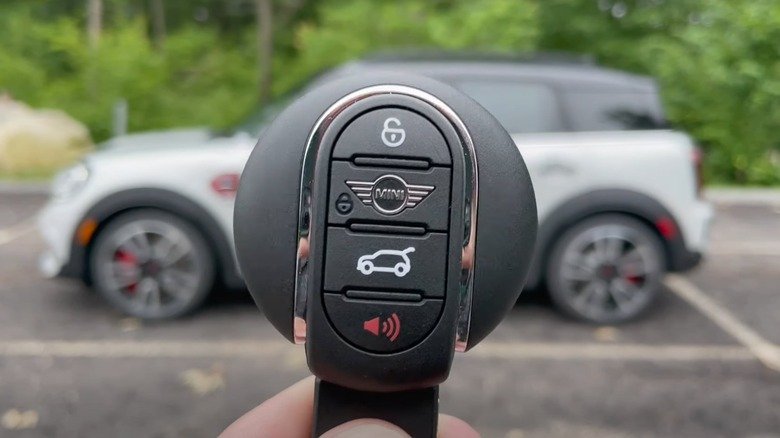
- Smart keys/proximity fobs: Used in push-to-start vehicles, these are the most advanced and secure, often needing dealer-level tools for programming.
If you want to learn more about the various car key technologies, this comprehensive guide to automotive keys provides an excellent overview.
Can You Program a Key Fob at Home?
The ability to program a key fob yourself depends on your vehicle’s system. Many older cars (typically pre-2010) allow owners to pair new remotes using a sequence of steps involving the ignition, door locks, and sometimes the brake pedal. These procedures are often found in the owner’s manual or online forums. For newer models, especially those with advanced security features, DIY programming is usually not possible without specialized diagnostic equipment.
Here are some general rules:
- Older vehicles: More likely to support DIY programming for basic remotes.
- Newer vehicles: Often require professional tools or dealer intervention, especially for smart keys.
- Aftermarket fobs: Some can be programmed at home, but compatibility is key.
Always verify your car’s requirements before purchasing a replacement remote.
Step-by-Step: How to Program a Key Fob Yourself
If your car supports owner programming, the process typically involves a series of actions performed in quick succession. While exact steps vary, here’s a general outline:
- Get inside the vehicle with all key fobs you wish to program.
- Close all doors and insert the key into the ignition.
- Turn the key to the “On” position (without starting the engine) and back to “Off” several times (usually 3–8), ending in “On.”
- Press a button on the remote (often “Lock” or “Unlock”) within a few seconds.
- Repeat for additional remotes if needed.
- Turn ignition off and test the remotes.
Refer to your owner’s manual for the exact procedure, as timing and steps can differ. If you’re opening the fob to replace a battery or chip, using the best tools to open key fob case without damage is highly recommended to avoid breaking delicate parts.
When Professional Help Is Needed
While some car owners can handle remote programming, there are situations where a locksmith or dealership is necessary:
- Your vehicle requires a PIN code or security code for programming.
- The fob contains a transponder chip that must be synced to the immobilizer.
- You have a push-to-start or proximity key system.
- DIY attempts have failed or resulted in error messages.
Professional locksmiths have access to advanced diagnostic tools and software. They can often program new fobs at a lower cost than dealerships, and many offer mobile services for added convenience.

Common Issues and Troubleshooting Tips
Even if your car supports DIY programming, you might encounter obstacles. Here are some common problems and solutions:
- Remote not responding: Double-check the battery and ensure you’re following the correct sequence.
- Only one fob works: Some systems require all remotes to be programmed in the same session.
- Security light stays on: This may indicate a transponder issue; professional assistance is likely needed.
- Aftermarket fob not compatible: Always verify compatibility before purchasing third-party remotes.
For persistent issues, a licensed locksmith can diagnose and resolve most problems quickly. For more information on locksmith transparency and what to expect, see the licensed locksmith service transparency rules.
Tips for Success When Programming Remotes
- Gather all remotes before starting, as some systems erase old codes during programming.
- Use fresh batteries in every fob.
- Work in a quiet area to avoid distractions and missed steps.
- Keep your owner’s manual handy for reference.
- Don’t force open the fob case; use appropriate tools to prevent damage.
Storing your backup fob securely is also important. For tips on safe storage, refer to the earlier link on how to store spare key fob at home.
FAQ: Key Fob Programming
Is it safe to program a key fob myself?
For vehicles that support owner programming, it’s generally safe as long as you follow the correct procedure. However, mistakes can sometimes cause the remote to stop working, so always consult your manual and proceed carefully.
How much does professional key fob programming cost?
Costs vary depending on your vehicle and location. Locksmiths typically charge less than dealerships, with prices ranging from $50 to $200 for most vehicles. Advanced smart keys may cost more due to specialized equipment.
Can I use a used key fob from another vehicle?
Some remotes can be reprogrammed, but many are locked to the original car’s security system. It’s best to check compatibility before purchasing a used fob, as not all can be paired with a new vehicle.
Conclusion
Whether you can handle key fob programming on your own depends on your car’s age and technology. Many older vehicles allow for DIY pairing, while newer models often require professional tools. Always check your manual, verify compatibility, and use the right tools for the job. If you run into trouble or your car requires advanced programming, don’t hesitate to reach out to a trusted locksmith for help.