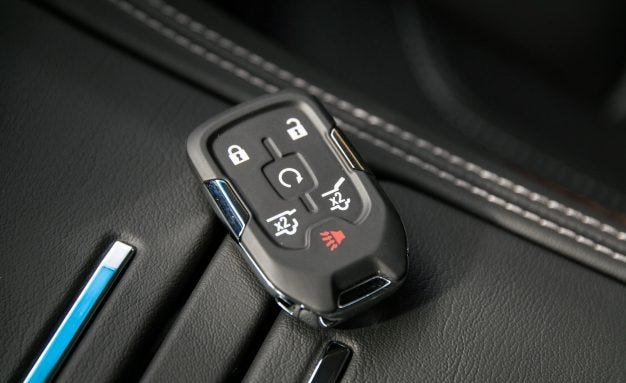
Modern vehicles rely on key fobs for convenience and security, but when the battery inside starts to fail, it can lead to a range of subtle and frustrating issues. Recognizing the early low key fob battery symptoms can help you avoid getting stranded or locked out of your car. This guide covers the most common signs of a weakening key fob battery, why they matter, and what you should do next.
Understanding these warning signs is essential for anyone who depends on remote entry, push-button start, or other smart key features. Addressing battery problems promptly can save you time, prevent emergencies, and even extend the life of your key fob. If you’re interested in learning more about key fob maintenance and related topics, you might also find our guide on how to store spare key fob at home helpful for long-term peace of mind.
Recognizing Early Signs of a Weak Key Fob Battery
Most key fobs are powered by small coin cell batteries that last anywhere from one to three years, depending on usage and environmental factors. As the battery drains, you may notice several changes in how your remote functions. Here are the most common low key fob battery symptoms to look out for:
- Reduced Range: If you have to stand closer to your car than usual for the fob to work, the battery is likely running low.
- Delayed Response: Pressing the unlock or lock button may result in a noticeable lag before the car responds.
- Intermittent Function: Sometimes the fob works, other times it doesn’t, even when you’re close to the vehicle.
- Warning Light or Message: Some newer vehicles display a dashboard warning or message indicating a low key fob battery.
- Failure to Unlock/Lock: The most obvious sign is when the fob stops working entirely, forcing you to use the physical key.
These symptoms can develop gradually, so it’s easy to overlook them until the battery is almost dead. Being proactive can help you avoid inconvenient situations, especially if you rely on your car for daily transportation.
How a Dying Battery Affects Key Fob Performance
When the battery inside your key fob starts to weaken, it doesn’t just affect the convenience of remote locking and unlocking. Many modern vehicles use keyless entry and push-button start systems that depend on a strong signal from the fob. As the battery drains, you may experience:
- Push-Button Start Issues: The car may not recognize the fob, or you may need to hold the fob closer to the start button.
- Alarm System Malfunctions: Some vehicles may not arm or disarm the alarm properly if the fob signal is weak.
- Trunk Release Problems: The remote trunk release function may become unreliable or stop working altogether.
It’s important to note that these problems can sometimes be mistaken for other issues, such as electronic interference or a malfunctioning receiver in the car. However, if you notice multiple low key fob battery symptoms at once, the battery is the most likely culprit.
Common Causes of Key Fob Battery Drain
While all batteries eventually lose their charge, certain habits and conditions can accelerate the process. Understanding what contributes to faster battery drain can help you extend the life of your key fob:
- Frequent Use: Regularly locking, unlocking, or starting your car remotely uses more power.
- Leaving Fob Near the Car: If your fob is stored close to your vehicle, it may constantly communicate with the receiver, draining the battery faster.
- Extreme Temperatures: Both hot and cold environments can reduce battery efficiency and lifespan.
- Accidental Button Presses: Carrying the fob in a pocket or bag where buttons are pressed unintentionally can use up battery power quickly.
To minimize battery drain, store your key fob away from your car and avoid unnecessary button presses. If you’re interested in learning about the different types of car keys and how they function, check out this comprehensive overview of car key varieties.
What to Do When You Notice Low Battery Symptoms
If you’re experiencing any of the warning signs discussed above, it’s best to replace the battery as soon as possible. Most key fobs use standard coin cell batteries, which are inexpensive and widely available. Here’s a simple process to follow:
- Check your vehicle’s manual for the correct battery type and replacement instructions.
- Use the recommended best tools to open key fob case without damage to avoid breaking the plastic housing.
- Replace the old battery with a new one, ensuring correct polarity.
- Test the fob to confirm it’s working properly before reassembling.
If you’re uncomfortable opening the key fob yourself or if the new battery doesn’t resolve the issue, a professional locksmith can help diagnose and fix the problem.
Preventing Key Fob Battery Problems
While battery failure is inevitable over time, there are steps you can take to reduce the risk of sudden issues:
- Replace the battery every 1–2 years, even if you haven’t noticed symptoms.
- Keep a spare battery in your glove box or at home.
- Store your key fob in a safe place, away from direct sunlight and extreme temperatures.
- Consider using a key fob signal booster if you regularly experience range or signal issues unrelated to battery life.
Taking these precautions can help you avoid being locked out or stranded due to a dead key fob battery.
When to Seek Professional Help
If you’ve replaced the battery and your key fob still isn’t working, the problem could be with the fob’s internal circuitry or your vehicle’s receiver. In these cases, it’s best to consult a licensed locksmith or your car dealer. For more information on choosing a reputable locksmith, review our licensed locksmith service transparency rules to ensure you get trustworthy service.
Professional locksmiths can also help if you’ve lost your key fob, need a spare programmed, or are dealing with other security concerns. Acting quickly can prevent further inconvenience and keep your vehicle secure.
FAQ: Key Fob Battery Issues
How often should I replace my key fob battery?
Most key fob batteries last between one and three years, depending on usage. It’s a good idea to replace the battery every 1–2 years as a preventive measure, or as soon as you notice any low key fob battery symptoms like reduced range or delayed response.
Can I use my car if the key fob battery is dead?
Many vehicles have a backup method for starting the car if the fob battery is dead, such as holding the fob near a specific spot on the steering column or using a physical key hidden inside the fob. Check your owner’s manual for emergency procedures.
Will replacing the battery erase my key fob’s programming?
No, changing the battery does not affect the programming of your key fob. Your remote will retain its connection to your vehicle after a battery swap. If you experience issues after replacement, double-check the battery orientation and ensure the contacts are clean.
What should I do if my key fob still doesn’t work after replacing the battery?
If a new battery doesn’t solve the problem, the issue may be with the key fob’s internal electronics or your car’s receiver. Contact a professional locksmith or your dealership for further diagnosis and repair.