Security is a top priority for homeowners, businesses, and institutions. When you need help with locks, keys, or access control, hiring a licensed locksmith is essential for both safety and peace of mind. But what exactly are the safety standards that licensed professionals must follow? Understanding these guidelines helps you make informed decisions and ensures your property is in trustworthy hands.
In this guide, you’ll learn how professional locksmiths maintain high standards, the regulations that govern their work, and what you should expect when hiring a certified expert. We’ll also cover how to verify credentials, why these standards matter, and what sets licensed providers apart from unlicensed operators. For those interested in related topics, you can also check out our licensed locksmith service transparency rules for more insights on ethical practices in the industry.
What Defines a Licensed Locksmith?
A licensed locksmith is a professional who has met specific training, background check, and regulatory requirements set by state or local authorities. These requirements are designed to ensure that only qualified individuals can offer locksmith services, protecting consumers from fraud, theft, and unsafe practices. Licensing standards vary by region but typically include:
- Completion of approved training programs or apprenticeships
- Passing written and/or practical examinations
- Undergoing criminal background checks
- Maintaining insurance and bonding
- Adhering to ongoing education or recertification requirements
By choosing a licensed provider, you’re working with someone who is accountable to regulatory bodies and committed to following industry best practices.
Key Elements of Locksmith Safety Standards
Safety standards for locksmiths are designed to protect both the technician and the client. These guidelines cover a wide range of practices, from proper identification to safe handling of tools and sensitive information. Here are some of the most important elements:
- Verification of Client Identity: Before performing any lockout or rekeying service, professionals must verify that the person requesting access is authorized to do so. This step helps prevent unauthorized entry and protects property owners.
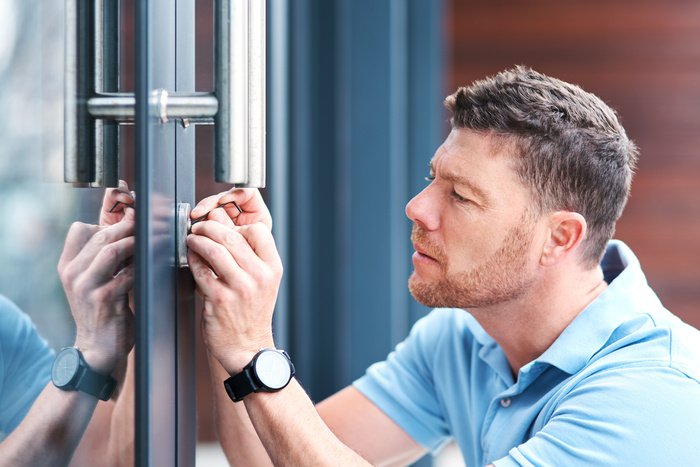
- Proper Use of Tools and Equipment: Licensed experts are trained to use specialized tools safely and efficiently, minimizing the risk of damage to locks, doors, or vehicles.
- Confidentiality: Handling keys, codes, and security information requires discretion. Ethical locksmiths never share sensitive details with unauthorized parties.
- Compliance with Local Laws: Regulations may dictate which types of locks can be installed, how records are kept, and what documentation is required for each job.
- Transparent Pricing and Documentation: Providing clear estimates and invoices is part of ethical service. This transparency protects clients from hidden fees or scams.

Why Locksmith Licensing and Safety Protocols Matter
Choosing a professional who follows licensed locksmith safety standards is more than a legal formality—it’s a critical safeguard for your property and personal security. Here’s why these protocols are so important:
- Protection Against Fraud: Licensing helps weed out unqualified or unscrupulous operators who might overcharge, damage property, or compromise your security.
- Quality Assurance: Certified locksmiths are held to high standards of workmanship and customer service, ensuring reliable results.
- Legal Recourse: If something goes wrong, you have a clear channel for complaints or claims when working with a licensed provider.
- Insurance Coverage: Licensed professionals typically carry liability insurance, protecting you from financial loss in the event of accidental damage.
For more on how to confirm a provider’s credentials, see this step-by-step guide to verifying a locksmith’s license.
How to Identify a Qualified Locksmith
Not all service providers are created equal. To ensure you’re hiring a reputable expert, look for these signs:
- Visible License Number: Reputable businesses display their license number on vehicles, business cards, and invoices.
- Professional Identification: Technicians should show a company ID and, if requested, a copy of their license.
- Written Estimates: Reliable locksmiths provide clear, written estimates before starting work.
- Positive Reviews and References: Check online reviews and ask for references to gauge reliability and service quality.
- Transparency About Services: Ethical professionals explain the process, answer questions, and never pressure you into unnecessary upgrades.
For those dealing with specific security needs, such as office or file cabinet access, our locked file cabinet repair guide offers practical advice on safe entry without damage.

Common Safety Procedures in Locksmith Services
Every job, from simple lockouts to advanced security installations, requires adherence to strict safety protocols. Here are some common procedures that distinguish licensed professionals:
- Pre-Service Verification: Confirming the identity of the client and their right to access the property.
- Safe Work Practices: Using proper tools and techniques to avoid damaging doors, frames, or locking mechanisms.
- Post-Service Documentation: Providing receipts, warranties, and detailed descriptions of work performed.
- Disposal of Old Keys or Components: Securely disposing of or returning old keys and lock parts to prevent unauthorized access.
Following these steps is not just about professionalism—it’s about ensuring the ongoing security and trust of every client.
Staying Informed: Evolving Standards and Best Practices
The security industry is constantly evolving, with new technologies and threats emerging regularly. Licensed locksmiths are required to stay current with the latest best practices, whether it’s learning about smart locks, advanced safes, or digital access systems. Ongoing education and recertification help ensure that your provider can handle both traditional and modern security challenges.
For those interested in related topics like electronic key management, you may want to explore our resources on key fob signal boosters and safe storage of spare key fobs at home.
FAQ: Licensed Locksmiths and Safety Standards
What should I ask before hiring a locksmith?
Always ask for proof of licensing, insurance, and a written estimate. Confirm the technician’s identity when they arrive and make sure the company’s name matches what you found online or in advertisements.
How can I verify that a locksmith is properly licensed?
Check for a visible license number on business materials and vehicles. You can also contact your local licensing authority or use online verification tools. For more details, refer to this comprehensive guide to verifying locksmith credentials.
Why are safety standards important in locksmithing?
They protect you from fraud, ensure high-quality service, and provide legal recourse if something goes wrong. Adhering to these standards also helps maintain the integrity of your property’s security.
Are there differences between licensed and unlicensed locksmiths?
Yes. Licensed professionals have undergone background checks, training, and are accountable to regulatory bodies. Unlicensed operators may lack proper skills, insurance, and oversight, increasing risks to your security and finances.
Conclusion
Understanding licensed locksmith safety standards is crucial for anyone seeking secure and reliable lock or key services. By choosing a certified professional, you ensure your property is protected by someone who follows strict protocols, maintains transparency, and prioritizes your safety. Always verify credentials, ask questions, and stay informed about the latest best practices in the industry. For more on transparency and ethical service, revisit our detailed overview of transparency rules for locksmith services.