Choosing a locksmith is a matter of trust and expertise. Whether you need help with a lockout, want to upgrade your home security, or require specialized services for commercial properties, knowing the licensed locksmith qualifications is essential. This guide breaks down the credentials, training, and skills that set professional locksmiths apart, helping you make informed decisions when hiring for your security needs.
Understanding what makes a locksmith qualified not only ensures the safety of your property but also protects you from scams and subpar workmanship. If you’re interested in related topics, such as transparency in locksmith services, you may want to review the licensed locksmith service transparency rules for further insights into industry standards.
Understanding Locksmith Licensing Requirements
Licensing is a key indicator of professionalism in the locksmith industry. While requirements vary by state and country, most regions demand that locksmiths meet specific criteria before they can legally operate. These prerequisites are designed to protect consumers and uphold industry standards.
- Background checks: Most licensing authorities require a criminal background check to ensure the applicant has no history of offenses related to theft or fraud.
- Training and education: Completion of an approved locksmith training program or apprenticeship is often mandatory.
- Examinations: Many jurisdictions require passing a written and/or practical exam to demonstrate competency in locksmithing skills and security regulations.
- Insurance and bonding: Some areas require locksmiths to carry liability insurance and be bonded, providing financial protection for clients.
For a deeper understanding of how licensing differs from insurance and bonding, see this explanation of licensed, insured, and bonded locksmiths.
Core Skills Every Qualified Locksmith Should Have
Beyond meeting legal requirements, a professional locksmith must possess a range of technical and interpersonal skills. These abilities ensure that they can handle a variety of situations efficiently and safely.
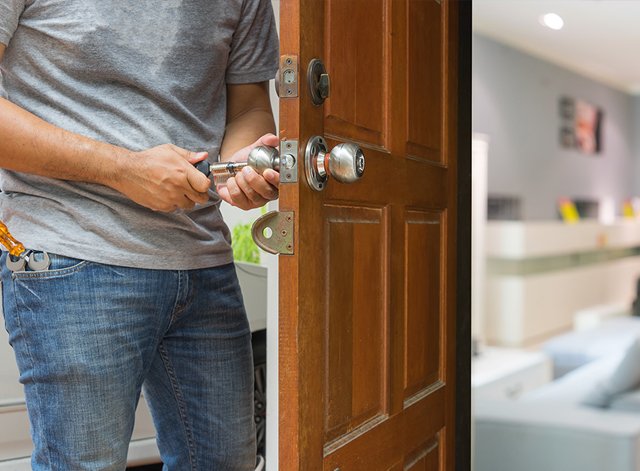
- Mechanical aptitude: Locksmiths must understand the inner workings of locks, safes, and security systems.
- Problem-solving: Diagnosing and resolving lock issues quickly is a crucial skill, especially during emergencies.
- Attention to detail: Precision is essential when repairing or installing locks to ensure security and proper function.
- Customer service: Communicating clearly and respectfully with clients builds trust and ensures satisfaction.
- Up-to-date knowledge: As technology evolves, locksmiths need to stay informed about new locking mechanisms, electronic access systems, and security trends.
These skills are developed through a combination of formal education, hands-on experience, and ongoing professional development.
Training and Certification Pathways
Becoming a licensed locksmith typically starts with formal training. Many professionals attend vocational schools or technical colleges that offer locksmithing courses. These programs cover essential topics such as lock installation, key duplication, safe manipulation, and electronic security systems.
After completing coursework, aspiring locksmiths often enter apprenticeships. Working alongside experienced professionals provides invaluable real-world experience and the opportunity to refine technical skills. In some regions, a minimum number of apprenticeship hours is required before taking licensing exams.
Certifications from recognized industry organizations, such as the Associated Locksmiths of America (ALOA), further demonstrate a locksmith’s commitment to excellence. While not always mandatory, these credentials can enhance credibility and open doors to advanced career opportunities.
Specializations Within the Locksmith Profession
The locksmith industry encompasses a variety of specialties. While all qualified locksmiths share a common foundation, many choose to focus on specific areas, such as:
- Residential locksmithing: Specializing in home locks, rekeying, and security upgrades.
- Commercial locksmithing: Working with businesses on high-security locks, master key systems, and access control.
- Automotive locksmithing: Handling car lockouts, key programming, and ignition repairs.
- Safe and vault services: Opening, repairing, and maintaining safes and secure storage units.
- Electronic security: Installing and servicing smart locks, keyless entry, and alarm systems.
Each specialization may require additional training and certification, ensuring locksmiths remain proficient in the latest technologies and techniques.
Why Credentials Matter When Hiring a Locksmith
Verifying a locksmith’s qualifications is more than a formality—it’s a safeguard for your property and peace of mind. Hiring someone with the right credentials ensures:
- Legal compliance: Licensed professionals operate within the law and adhere to industry regulations.
- Quality assurance: Proper training and certification translate to reliable workmanship and fewer mistakes.
- Accountability: Licensed locksmiths are subject to oversight and can be held responsible for their actions.
- Security: Protecting your home, business, or vehicle requires expertise that only qualified professionals can provide.
For example, if you need to address a locked file cabinet, working with a professional who understands the nuances of security hardware can make a significant difference. You can find more information in the locked file cabinet repair guide.
Red Flags: How to Spot Unqualified or Unlicensed Locksmiths
Unfortunately, the locksmith industry is not immune to scams and unqualified operators. Here are some warning signs to watch for:
- Lack of identification: Legitimate locksmiths carry identification and are willing to show their license upon request.
- Unmarked vehicles: Professional locksmiths usually arrive in clearly marked vehicles with company branding.
- Suspiciously low prices: Extremely low quotes can indicate a lack of experience or a bait-and-switch tactic.
- No written estimate: Always request a written quote before work begins to avoid hidden fees.
- Reluctance to provide credentials: If a locksmith hesitates to show proof of licensing or insurance, consider it a red flag.
Protect yourself by researching local locksmiths, checking reviews, and confirming their qualifications before hiring.
Continuing Education and Evolving Standards
The security industry is constantly evolving, with new technologies and threats emerging regularly. Reputable locksmiths invest in ongoing education to stay ahead of these changes. This may involve attending workshops, earning advanced certifications, or participating in manufacturer training sessions.
By choosing a locksmith who prioritizes professional development, you benefit from the latest knowledge and techniques, ensuring your security solutions remain effective and up to date.
Frequently Asked Questions
What are the minimum requirements to become a licensed locksmith?
Requirements vary by location, but typically include completing a formal training program or apprenticeship, passing a background check, and successfully completing a licensing exam. Some regions also require locksmiths to carry insurance and be bonded.
How can I verify if a locksmith is properly licensed?
Ask to see the locksmith’s license and check with your local licensing authority or regulatory body. Many areas also provide online databases where you can confirm a professional’s credentials.
Why is it important to hire a locksmith with the right qualifications?
Hiring a qualified locksmith ensures your property is protected by someone with the necessary training, legal compliance, and accountability. It also reduces the risk of damage, fraud, or poor workmanship.