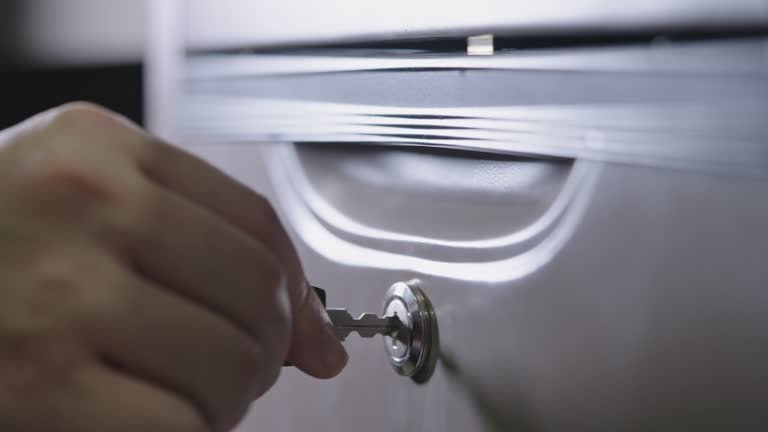
When a file cabinet lock refuses to open and all other unlocking methods have failed, drilling the lock may be the only solution left. The file cabinet lock drilling method is considered a last resort because it destroys the lock, but it can provide access when keys are lost, locks are jammed, or mechanisms are broken. This guide covers when and how to drill a file cabinet lock safely, what tools you’ll need, and the important considerations before proceeding.
Before attempting any destructive entry, it’s wise to review less invasive options. If you’re interested in upgrading, repairing, or rekeying your cabinet lock in the future, you might find the file cabinet lock rekeying guide helpful for long-term security solutions.
When to Consider Drilling a File Cabinet Lock
Drilling a lock should only be attempted after exhausting all non-destructive entry methods. Consider this approach if:
- The key is lost and no spare is available.
- The lock is jammed or damaged beyond repair.
- Lock picking and bypass tools have failed.
- Urgent access to documents is required and waiting for a locksmith is not an option.
Keep in mind that drilling will permanently damage the lock. Afterward, you’ll need to replace or repair the locking mechanism. For those interested in understanding the internal workings of these locks, the file cabinet locking mechanism diagram provides a helpful visual overview.
Tools and Safety Gear Needed for Drilling
Having the right equipment ensures a safer and more effective process. Gather the following before starting:
- Electric drill (corded or cordless)
- High-speed steel drill bits (start with 1/8″ and progress to 1/4″ or 3/8″)
- Safety glasses to protect your eyes from metal shavings
- Work gloves for hand protection
- Flathead screwdriver (for turning the lock after drilling)
- Vacuum or brush to clean up metal debris
Always wear safety gear and work in a well-lit area. Secure the cabinet to prevent movement during drilling.

Step-by-Step Guide: How to Drill a File Cabinet Lock
Follow these steps to use the file cabinet lock drilling method safely and effectively:
-
Prepare the Area
- Clear the workspace and remove any flammable materials.
- Put on your safety glasses and gloves.
-
Identify the Lock Cylinder
- Locate the center of the keyway where the key would be inserted.
- Most file cabinet locks are simple pin tumbler or wafer locks.
-
Start with a Small Drill Bit
- Insert a 1/8″ drill bit into your drill.
- Position the bit at the top of the keyway (where the pins or wafers are located).
- Drill slowly and steadily, applying gentle pressure.
-
Increase Drill Bit Size
- Switch to a 1/4″ or 3/8″ bit after the initial hole is made.
- Continue drilling in the same spot to destroy the pins or wafers inside.
-
Remove Debris and Test the Lock
- Blow out or vacuum any metal shavings.
- Insert a flathead screwdriver into the lock and attempt to turn it.
- If the lock turns, the mechanism is defeated and the cabinet should open.
-
Access Contents and Plan for Replacement
- Once open, remove the damaged lock core.
- Measure the lock for a replacement or consider upgrading to a more secure model.
For a more detailed look at cam locks and how they function, see the file cabinet cam lock repair article.
Precautions and Legal Considerations
Before using this method, confirm that you have the legal right to access the file cabinet. Drilling a lock that you do not own or have permission to open could result in legal consequences. If you are unsure, consult the property owner or building manager.
Additionally, some cabinets may contain sensitive or confidential materials. Always respect privacy and data protection regulations.
Alternatives to Drilling: Non-Destructive Entry Options
Drilling is not the only way to open a stuck or locked cabinet. Consider these alternatives first:
- Contact a professional locksmith for non-destructive entry techniques.
- Try lock picking or use a bump key if you have the skill and legal right.
- Check for a master key or duplicate key with building management.
- Use a lock bypass tool designed for file cabinet locks.
For more ideas and real-world advice, the community discussion on opening locked file cabinets offers practical tips from experienced users.

After Drilling: Replacing and Upgrading Your Lock
Once you’ve gained access, it’s important to restore security. Here’s what to do next:
- Remove the damaged lock core and take measurements for a replacement.
- Purchase a compatible lock from a hardware store or locksmith.
- Consider upgrading to a higher-security lock or electronic access system.
- Follow installation instructions carefully or hire a professional for best results.
If you want to change the key without replacing the entire lock, the rekey file cabinet lock guide explains how to do this efficiently. For full lock core swaps, the file cabinet lock core replacement tutorial is also available.
Frequently Asked Questions
Is drilling a file cabinet lock safe for the cabinet itself?
When done carefully, drilling usually damages only the lock cylinder and not the cabinet body. However, improper technique or using the wrong drill bit size can cause scratches or dents around the lock area. Always drill slowly and keep the bit centered to minimize collateral damage.
Can I reuse the lock after drilling it open?
No, the drilling process destroys the internal mechanism of the lock, making it unusable. You’ll need to replace the lock core or install a new lock entirely to restore security to the cabinet.
Should I try to drill a file cabinet lock myself or call a locksmith?
If you have basic DIY skills, the right tools, and legal access, you can attempt the process yourself. However, if you’re unsure or want to avoid potential cabinet damage, contacting a professional locksmith is recommended. Many locksmiths offer emergency services and can often open most file cabinet locks without drilling.
What type of drill bit works best for this method?
High-speed steel (HSS) bits are ideal for drilling through standard file cabinet lock cylinders. Start with a small bit (1/8″) and gradually increase the size to avoid breaking the bit or damaging the cabinet.
Conclusion
The file cabinet lock drilling method is a practical solution when all other unlocking options have failed. By following the steps outlined here, you can regain access to your important documents and restore security with a new lock. Always weigh the risks, wear proper safety gear, and consider professional help if you’re unsure. For ongoing security and maintenance, explore the linked guides on rekeying, repairing, and upgrading file cabinet locks.