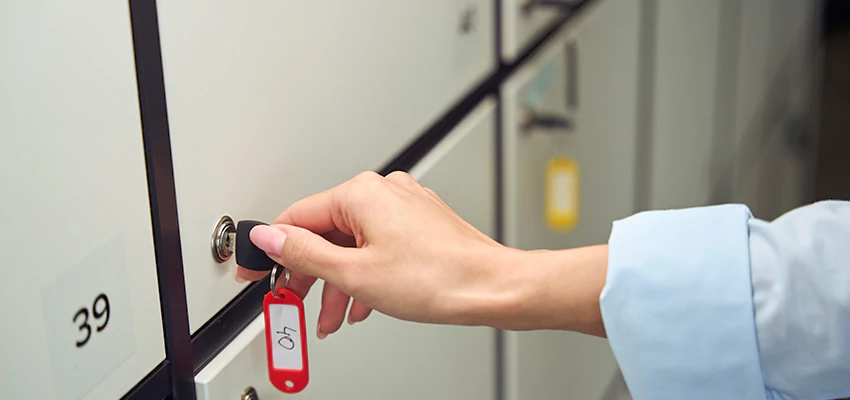
Getting locked out of a file cabinet can disrupt your workflow and cause unnecessary stress, especially when you need urgent access to important documents. Whether you’ve misplaced the key, the lock is jammed, or the mechanism has failed, knowing how to handle an emergency file cabinet lock opening is essential for both businesses and individuals. This article covers practical solutions, safety considerations, and expert tips for regaining access quickly and securely.
Before diving into specific techniques, it’s helpful to understand the basics of file cabinet locks and the importance of choosing the right approach for your situation. For those interested in a deeper look at how these mechanisms work, the file cabinet locking mechanism diagram provides a visual guide to internal components and common failure points.
Why File Cabinet Lockouts Happen
Lockouts can occur for several reasons, each requiring a slightly different approach for resolution. Here are the most common causes:
- Lost or misplaced keys: The most frequent cause, especially in shared office environments.
- Broken or worn keys: Keys can snap inside the lock or become too worn to operate the mechanism.
- Jammed or stuck locks: Dust, debris, or internal wear can prevent the lock from turning.
- Mechanical failure: Internal components such as cams or lock cores may break or become misaligned.
Understanding the root cause helps determine whether a DIY solution is possible or if professional help is needed. If you’re dealing with a recurring issue, reviewing the file cabinet cam lock repair guide can help address underlying mechanical problems.
Immediate Steps for Emergency File Cabinet Lock Opening
When faced with a locked file cabinet, it’s important to remain calm and assess your options. Here are some immediate actions to consider:
- Double-check for spare keys: Before attempting any intervention, make sure all possible keys have been tried.
- Inspect the lock and keyhole: Look for visible obstructions, dirt, or damage that could be causing the issue.
- Try gentle manipulation: Sometimes, gently wiggling the key or applying slight pressure to the lock can free a stuck mechanism.
If these basic steps don’t work, you may need to try more advanced methods or seek professional assistance.

DIY Techniques for Regaining Access
There are several do-it-yourself methods for opening a locked file cabinet in an emergency. These should be attempted only if you are the authorized user and have permission to access the contents.
Using a Paperclip or Tension Wrench
For simple wafer locks, a paperclip or tension wrench can sometimes be used to pick the lock. Insert the tool into the keyhole and gently manipulate the wafers while applying slight rotational pressure. This method requires patience and a steady hand, and may not work on all lock types.
Drilling the Lock (Last Resort)
If all else fails and immediate access is critical, drilling the lock is an option. Use a drill bit slightly smaller than the keyway and drill directly into the center of the lock cylinder. This will destroy the lock, so it should only be used when replacement is planned. Always wear eye protection and proceed with caution.
For those interested in upgrading or replacing the lock after such an intervention, the file cabinet lock core replacement resource provides step-by-step instructions for installing a new core.
When to Call a Professional Locksmith
While some lockouts can be resolved with basic tools, there are situations where professional help is the safest and most efficient option. Consider contacting a locksmith if:
- You’re unable to open the lock after several attempts.
- The cabinet contains sensitive or valuable documents.
- The lock mechanism is damaged or jammed beyond simple repair.
- You want to avoid causing permanent damage to the cabinet.
Professional locksmiths have specialized tools and experience with emergency file cabinet lock opening scenarios. Many offer 24/7 services for urgent situations, ensuring you regain access quickly and securely.

Preventing Future Lockouts
Once you’ve regained access, taking steps to prevent future incidents is wise. Here are some practical tips:
- Duplicate keys: Always keep a spare key in a secure, accessible location.
- Regular maintenance: Lubricate the lock and inspect for wear every few months.
- Upgrade to modern locks: Consider installing digital or combination locks for added convenience and security.
- Rekeying: If you suspect unauthorized access or have lost a key, follow a file cabinet lock rekeying guide to update your security without replacing the entire lock.
For those interested in installing a new lock, this step-by-step guide to installing a filing cabinet lock offers clear instructions and helpful tips.
Safety and Legal Considerations
It’s important to remember that forcibly opening a file cabinet should only be done by authorized individuals. Attempting to open a lock without permission can have legal consequences. Always verify your right to access the cabinet and consult building management or HR if the cabinet is part of a shared workspace.
When using tools or attempting DIY methods, prioritize safety. Wear protective gear when drilling or using force, and avoid techniques that could cause injury or damage to the cabinet or its contents.
Frequently Asked Questions
Can I open a file cabinet lock without damaging it?
Yes, many file cabinet locks can be opened using non-destructive methods such as picking or using a master key. However, success depends on the lock type and your skill level. If you’re unsure, contacting a locksmith is the safest option.
What should I do if my key breaks inside the lock?
If a key snaps off inside the lock, use needle-nose pliers or a broken key extractor to remove the fragment. Avoid forcing the lock, as this can cause further damage. If you can’t remove the broken piece, a locksmith can assist.
Is it possible to rekey a file cabinet lock after a lockout?
Absolutely. Rekeying allows you to change the key that operates the lock without replacing the entire mechanism. For detailed instructions, refer to a rekey file cabinet lock tutorial.
Conclusion
Being locked out of a file cabinet can be frustrating, but with the right knowledge and tools, you can resolve the situation quickly and minimize disruption. Whether you opt for a DIY approach or call in a professional, understanding the causes and solutions for emergency file cabinet lock opening will help you regain access and prevent future issues. Remember to prioritize safety, follow legal guidelines, and consider upgrading your security for long-term peace of mind.