


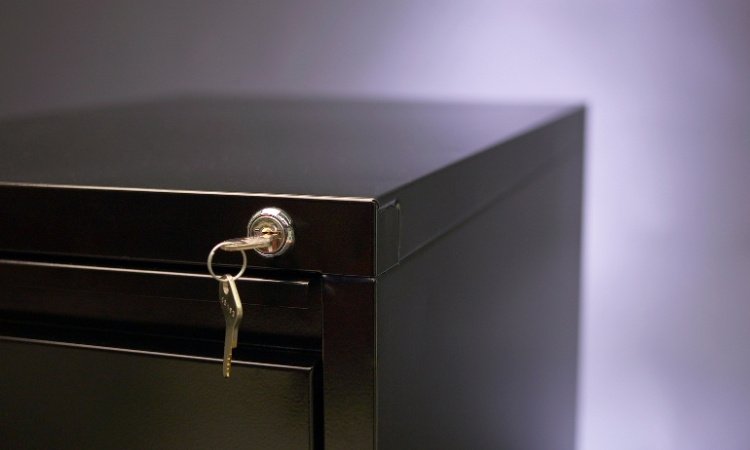
Locked out of your file cabinet and need access without causing damage? Whether you’ve lost the key or the lock is jammed, there are practical, non-destructive ways to open most file cabinet locks. This guide covers safe techniques for bypassing standard locks, the tools you’ll need, and essential safety tips. We’ll also highlight when it’s best to call a professional and how to improve your cabinet’s security after regaining access.
Before you begin, remember that these methods are intended for use on cabinets you own or have explicit permission to access. Picking locks on property you do not own is illegal and unethical.
For a deeper understanding of how these locks work and to identify the right approach for your situation, check out our file cabinet locking mechanism diagram for a visual breakdown of common lock types and their vulnerabilities.
Understanding File Cabinet Locks
Most file cabinets use simple pin tumbler or wafer locks. These mechanisms are designed for basic security and can often be bypassed with minimal tools. Knowing the type of lock you’re dealing with will help you choose the most effective and least invasive method.
- Pin tumbler locks: Similar to standard door locks, but usually less complex.
- Wafer locks: Common in office furniture, these have flat wafers instead of pins and are generally easier to pick.
- Cam locks: Used in many metal cabinets, these rotate a cam to secure the drawers.
If your cabinet uses an electronic or high-security lock, non-destructive picking may not be possible. In such cases, consult a professional locksmith.
Essential Tools for Non-Destructive Entry
Before attempting to open your file cabinet, gather the following tools. Many can be improvised from household items if you don’t have a dedicated lock picking set:
- Tension wrench (or a small flathead screwdriver)
- Lock pick (or a sturdy paperclip, bobby pin, or similar thin metal object)
- Shim (for wafer locks, a thin strip of metal can sometimes bypass the locking mechanism)
- Lubricant (such as graphite powder, to ease sticky locks)
- Flashlight (to see inside the keyway)
Always work gently to avoid damaging the lock or cabinet. If you feel resistance or the lock isn’t responding, stop and reassess your approach.
Step-by-Step: Picking a File Cabinet Lock
Follow these steps to open a cabinet lock without causing harm. These methods are suitable for most standard office furniture locks.
Single Pin Picking Method
- Insert the tension wrench into the bottom of the keyway and apply gentle rotational pressure in the direction the key would turn.
- With your other hand, insert the pick into the top of the keyway.
- Feel for the pins or wafers and lift each one until you sense it set into place.
- Continue applying tension and lifting pins until all are set and the lock turns.
This technique requires patience and a steady hand. If you’re new to lock picking, practice on a spare lock first if possible.
Raking Technique
For wafer locks, the raking method can be faster and easier:
- Insert the tension wrench and apply light pressure.
- Insert a rake pick (or bent paperclip) and quickly move it in and out of the lock while jiggling it up and down.
- Maintain tension until the lock opens.
This approach works well on low-security locks and can often open them in seconds.
Using a Shim for Wafer Locks
If picking doesn’t work, a shim can sometimes bypass the locking mechanism entirely:
- Cut a thin strip of metal (such as from an aluminum can).
- Insert the shim into the gap between the lock body and the cabinet.
- Wiggle the shim while applying slight turning pressure to the lock until it releases.
This method is effective on some older or worn locks but may not work on all models.
Alternative Non-Destructive Techniques
Besides traditional picking, there are other ways to open a locked file cabinet without causing damage:
- Bumping: Using a specially cut bump key, you can sometimes jar the pins into place. This method requires a compatible key blank and some practice.
- Bypassing the cam: On some cabinets, you can access the cam through the drawer gap with a thin tool and manually rotate it to unlock.
- Calling a locksmith: If you’re unable to open the lock or don’t have the right tools, a professional can often open it quickly and without damage. Many locksmiths offer emergency services for office furniture.
For more advanced or stubborn locks, or if you’re concerned about damaging important documents, it’s wise to consult a professional. You can find additional techniques and safety advice in this comprehensive guide to opening filing cabinet locks.
What to Do After Opening the Lock
Once you’ve regained access, consider taking steps to improve your cabinet’s security and prevent future lockouts:
- Make a spare key and store it in a secure location.
- Lubricate the lock to ensure smooth operation.
- Upgrade to a more secure lock if your cabinet contains sensitive information.
- Consider rekeying the lock for added peace of mind. Our file cabinet lock rekeying guide covers this process step by step.
- If the lock is damaged or unreliable, explore file cabinet cam lock repair or file cabinet lock core replacement for a long-term fix.
Safety and Legal Considerations
It’s important to use these methods responsibly. Picking locks on property you do not own or without permission is illegal in most jurisdictions. Always ensure you have the right to access the cabinet before attempting any bypass technique. If you’re unsure or uncomfortable, contact a licensed locksmith for assistance.
Additionally, avoid using excessive force or destructive tools, as this can damage the lock, cabinet, or contents inside. Non-destructive methods are always preferred for both security and cost reasons.
Frequently Asked Questions
Can I pick a file cabinet lock with household items?
Yes, many basic file cabinet locks can be opened with improvised tools like paperclips or bobby pins, especially wafer locks. However, dedicated lock picking tools provide better control and reduce the risk of damaging the lock.
Is it legal to pick my own file cabinet lock?
As long as you own the cabinet or have explicit permission, it is legal to use these methods. Picking locks on property you do not own is illegal and can result in criminal charges.
What should I do if I can’t open the lock?
If non-destructive methods fail, avoid forcing the lock. Contact a professional locksmith who can open the cabinet without damage. Many offer 24/7 emergency services for office furniture and file cabinets.
How can I prevent future lockouts?
Make spare keys, keep them in a secure place, and consider upgrading to a more reliable lock. Regular maintenance, such as lubricating the lock and checking for wear, also helps prevent issues.
Conclusion
Opening a locked file cabinet without damage is possible using the right tools and techniques. By understanding your lock type and following safe, non-destructive methods, you can regain access quickly and securely. If you’re ever in doubt or face a stubborn lock, don’t hesitate to reach out to a professional locksmith for help. For more tips on securing your office furniture, explore our resources on rekeying file cabinet locks and other security upgrades.