Modern vehicles rely heavily on keyless entry and push-button start systems, making the key fob an essential part of daily driving. But what happens if your key fob battery dies unexpectedly? Many drivers wonder if it’s possible to operate their car when the remote no longer works. Understanding how these systems function and what backup options exist can help you avoid being stranded.
This article explores what to do if your key fob stops working, how to start your car in an emergency, and tips for preventing issues in the future. We’ll also cover the differences between various vehicle systems and provide practical advice for handling a dead remote. For those interested in keeping a backup device secure, check out our how to store spare key fob at home guide for safe storage solutions.
Understanding Key Fob Technology and Vehicle Security
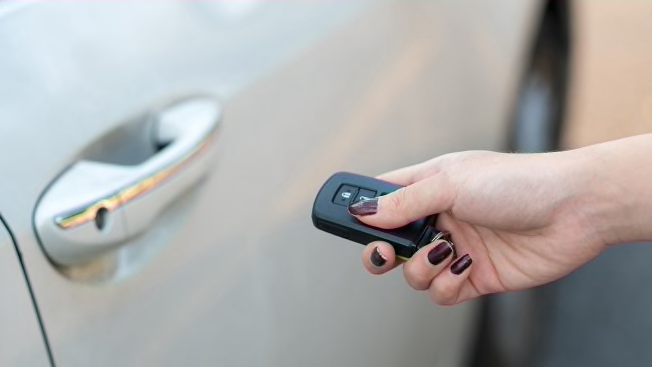
Key fobs have evolved from simple remote entry devices to sophisticated transmitters that communicate with your car’s security system. Most modern vehicles use either a traditional remote keyless entry or a smart key system with push-button start. When the battery in your key fob dies, the signal it sends to the car is weakened or lost, which can affect both entry and ignition.
Some vehicles use proximity sensors that require the fob to be within a certain range to unlock doors or start the engine. Others may have a physical key hidden inside the fob for manual access. Knowing which system your car uses is crucial for troubleshooting and emergency situations. For more information on the different types of car keys, see this comprehensive guide to car key types.
What Happens If Your Key Fob Battery Dies?
If your key fob battery is dead, you may notice that the remote no longer unlocks the doors or starts the engine. However, most manufacturers design their systems with backup methods to prevent drivers from being stranded. These can include:
- Manual Key Access: Many fobs contain a hidden mechanical key that can be used to unlock the driver’s door.
- Emergency Start Procedures: Some vehicles allow you to start the engine by holding the dead fob close to a specific spot, such as the start button or steering column, where a passive RFID chip can be read.
- Physical Ignition Slot: Older push-button start cars may have a slot where you can insert the fob to start the car, even if the battery is dead.
It’s important to check your owner’s manual for the exact procedure for your make and model. Not all vehicles handle dead remotes the same way, so knowing your car’s backup method can save time and stress.
How to Start Your Car When the Remote Fails
Even with a dead key fob, most vehicles offer a way to start the engine. Here are common methods used by various manufacturers:
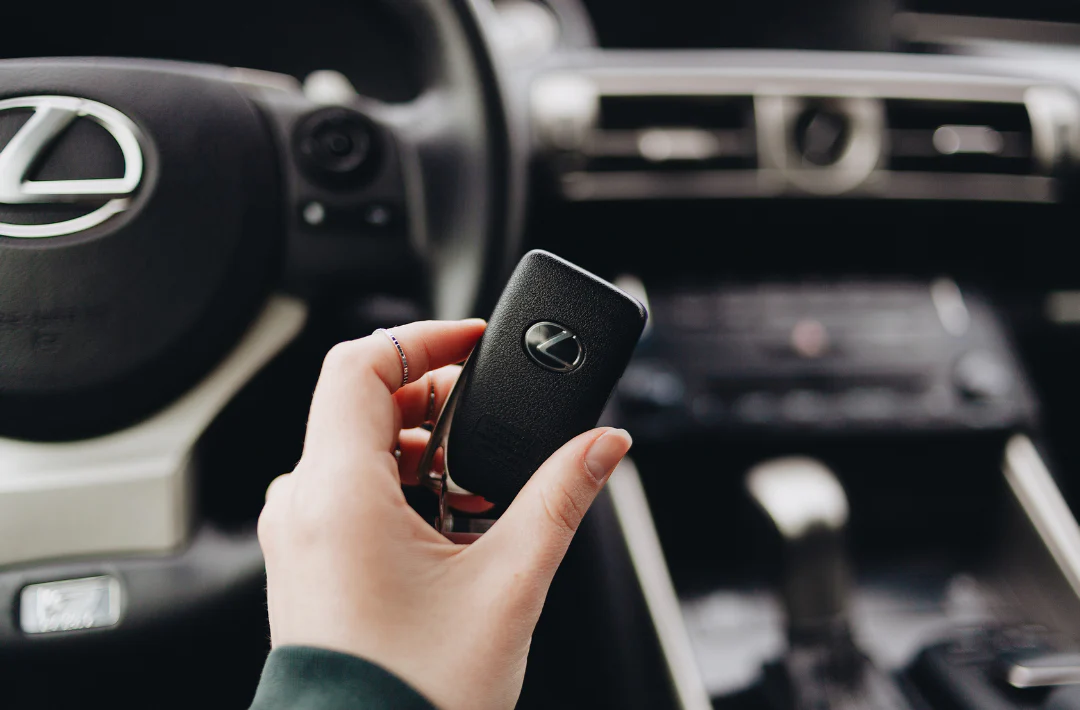
- Hold the Fob Near the Start Button: Many push-button start cars have a backup RFID reader. Hold the fob directly against the button or a marked area on the steering column and press the start button with the fob itself.
- Use the Mechanical Key: If your fob has a hidden key, use it to unlock the door. In some vehicles, you can also insert the key into a slot to start the car.
- Insert the Fob into a Designated Slot: Some cars have a special slot (often near the steering wheel or center console) where you can insert the dead fob to start the engine.
Always consult your vehicle’s manual for the correct emergency start procedure. If these methods do not work, you may need to replace the fob battery or contact a professional locksmith for assistance.
Key Fob Battery Replacement and Prevention Tips
To avoid being caught off guard by a non-functioning remote, consider these practical tips:
- Replace the Battery Regularly: Most key fob batteries last 2–4 years. If you notice reduced range or intermittent operation, replace the battery promptly.
- Carry a Spare Battery: Keep a replacement battery in your glove compartment or wallet for emergencies.
- Store a Backup Fob Safely: Having a second programmed fob at home or work can be a lifesaver. Learn how to keep it secure with the spare key fob storage guide.
- Know Your Vehicle’s Backup Procedures: Familiarize yourself with your car’s manual override and emergency start instructions.
Taking these steps can help you maintain access to your vehicle and avoid the inconvenience of a dead remote.
When to Call a Professional Locksmith
If you are unable to unlock or start your car due to a dead key fob and have exhausted all backup options, it’s time to seek professional help. A qualified locksmith can:
- Open your vehicle without damage
- Replace or reprogram your key fob
- Provide spare keys or remotes
- Advise on security upgrades
For urgent assistance, use the contact information provided above to reach a trusted locksmith service. If you’re interested in other security topics, such as locked file cabinet repair guide or best tools to open key fob case without damage, explore our related resources.
Common Questions About Driving With a Dead Key Fob
Can You Start a Push-Button Car If the Key Fob Battery Is Dead?
Most push-button start vehicles have a backup method for starting the engine even if the remote’s battery is dead. This usually involves holding the fob close to the start button or a specific sensor area. Check your owner’s manual for the exact steps for your vehicle.
Is It Safe to Drive After Starting With a Dead Key Fob?
Once the car is started, you can typically drive as normal, even if the remote battery is dead. However, you may not be able to restart the car after turning it off until the battery is replaced. It’s best to address the issue as soon as possible to avoid being stranded.
What Should I Do If My Car Won’t Recognize the Key Fob?
If your vehicle does not detect the remote, try replacing the battery or using the emergency start procedure. If these steps fail, contact a professional locksmith or your dealership for assistance. In rare cases, there may be a problem with the car’s receiver or the fob itself.
Conclusion
While a dead key fob can be inconvenient, most vehicles are designed with backup systems that allow you to unlock and start your car in an emergency. By understanding your car’s technology, keeping spare batteries handy, and knowing when to call a locksmith, you can minimize disruptions and stay on the road. For more tips on vehicle security and key management, explore our other resources and guides.