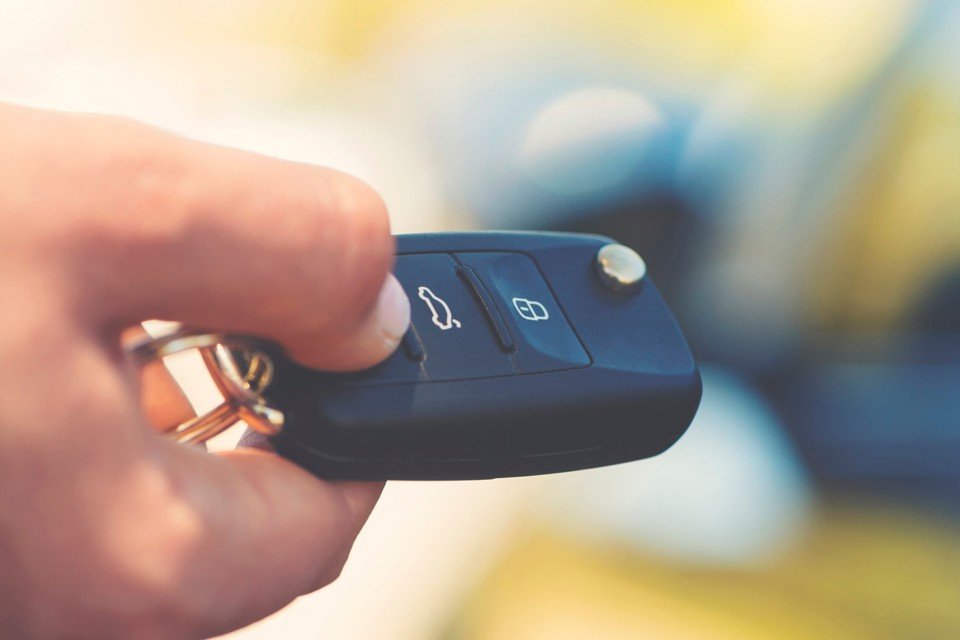
Choosing the right key fob for your vehicle is more important than ever. With modern cars relying on advanced electronic keys for security, convenience, and even starting the engine, understanding the differences between aftermarket vs OEM key fobs can save you time, money, and hassle. Whether you’ve lost your original fob, need a spare, or simply want to know your options, this guide will break down the pros and cons of each type, what to look for, and how to make the best decision for your needs.
Before diving into the details, it’s worth noting that key fobs are not just about unlocking doors—they’re an integral part of your vehicle’s security and daily operation. If you want to learn more about the different types of car keys and their functions, check out this comprehensive overview of car key types.
For those interested in keeping a backup at home, our guide to storing a spare key fob safely offers practical tips to ensure you’re never locked out unexpectedly.
Understanding OEM and Aftermarket Key Fobs
To make an informed choice, it’s essential to know what sets OEM (Original Equipment Manufacturer) and aftermarket key fobs apart. OEM fobs are produced by your vehicle’s manufacturer or their authorized suppliers. They’re designed to match your car’s original specifications, ensuring seamless compatibility and performance. In contrast, aftermarket fobs are made by third-party companies and are intended to work with a range of vehicles, often at a lower price point.
Both options can unlock, lock, and start your vehicle, but there are differences in quality, programming, and long-term reliability. Let’s explore these differences in detail.
Key Differences: Cost, Compatibility, and Features
One of the most significant factors in the aftermarket vs OEM key fobs debate is cost. OEM fobs are typically more expensive, sometimes costing hundreds of dollars, especially when purchased through a dealership. Aftermarket options can be much cheaper, but may require additional steps for programming or may lack certain advanced features.
| Feature | OEM Key Fobs | Aftermarket Key Fobs |
|---|---|---|
| Price | High | Lower |
| Compatibility | Guaranteed for your vehicle | Varies; check before buying |
| Programming | Usually plug-and-play at dealer | May require locksmith or DIY tools |
| Features | All original features supported | Basic functions; advanced features may not work |
| Warranty | Covered by manufacturer | Limited or no warranty |
For those who want to avoid dealership costs, aftermarket fobs can be a practical alternative. However, always verify compatibility with your specific make and model before purchasing. If you’re unsure, a licensed locksmith can help you navigate the options and ensure you get a working solution.
Programming and Setup: What to Expect
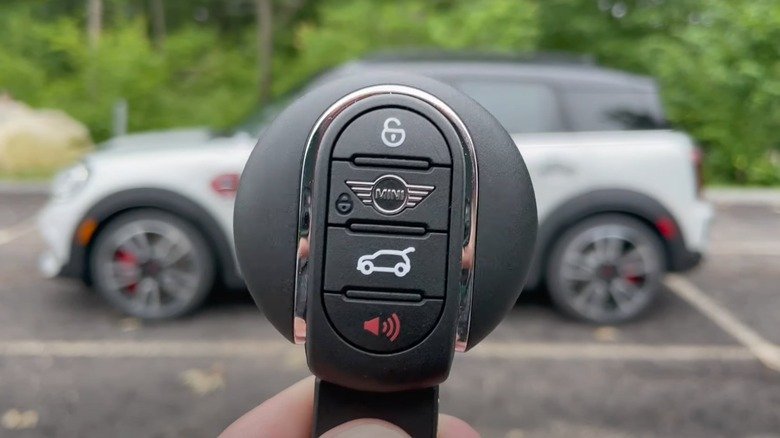
Programming is a key consideration when comparing aftermarket vs OEM key fobs. OEM fobs are usually pre-programmed or can be easily paired with your vehicle at the dealership. This process is straightforward but can be costly due to labor charges.
Aftermarket fobs may require more effort. Some can be programmed at home using instructions and a sequence of steps involving your car’s ignition and buttons. Others may need specialized equipment or a professional locksmith. If you’re comfortable with DIY, you can save money, but there’s a risk of incompatibility or incomplete functionality.
For those interested in maximizing their key fob’s range or troubleshooting weak signals, our key fob signal booster guide covers practical solutions.
Durability, Security, and Reliability
OEM fobs are built to last and undergo rigorous quality control. Their materials, buttons, and electronics are designed for daily use and harsh conditions. Aftermarket fobs can vary widely in quality—some are robust, while others may feel flimsy or have less reliable electronics.
Security is another important factor. OEM fobs use manufacturer-approved encryption and rolling codes to prevent hacking or cloning. Some aftermarket fobs may not offer the same level of protection, which could expose your vehicle to security risks. Always purchase from reputable sources and check reviews before buying third-party products.
Replacing the battery or opening the fob for repairs? Our guide to opening key fob cases safely can help you avoid accidental damage.

When to Choose OEM or Aftermarket Fobs
The right choice depends on your priorities:
- OEM fobs are best if you want guaranteed compatibility, full feature support, and maximum security. They’re ideal for newer vehicles, cars with advanced features (like push-button start or remote start), or if you want to maintain your warranty.
- Aftermarket fobs are suitable for older vehicles, basic keyless entry needs, or if you’re looking to save money. They’re also a good option for a backup or spare, provided you confirm compatibility and are comfortable with programming.
If you’re locked out or need urgent access, a professional locksmith can help with both types of fobs. For non-automotive lockouts, see our locked file cabinet repair guide for practical solutions.
Common Questions About Replacement Key Fobs
Are aftermarket key fobs as secure as OEM?
While some aftermarket fobs offer good security, OEM fobs are generally more reliable due to manufacturer-approved encryption and quality control. Always research the brand and check for security features before purchasing a third-party fob.
Can I program an aftermarket key fob myself?
Many aftermarket fobs can be programmed at home with the right instructions, but some require special tools or professional assistance. Always check the programming requirements before buying and consider your comfort level with DIY tasks.
Will an aftermarket fob work with all vehicle features?
Basic functions like locking and unlocking usually work, but advanced features (such as remote start or trunk release) may not be supported by all aftermarket fobs. Verify compatibility with your vehicle’s features before purchasing.
Conclusion: Making the Right Choice
Deciding between aftermarket vs OEM key fobs comes down to your budget, security needs, and desired features. OEM fobs offer peace of mind and full functionality but at a higher price. Aftermarket options are more affordable and can be a practical solution for many drivers, as long as you do your homework on compatibility and quality.
If you’re ever in doubt, consult a trusted locksmith or your vehicle’s manufacturer. Taking the time to choose the right key fob will ensure your vehicle remains secure and convenient to use for years to come.