The automotive world is undergoing rapid transformation as digital technology continues to reshape how we interact with our vehicles. One of the most notable shifts is the trend toward smartphones replacing key fobs for car access and ignition. This move is driven by convenience, security, and the seamless integration of mobile devices into daily life. As more manufacturers adopt digital keys, drivers are left wondering what the future holds for car entry, security, and ownership.
In this article, we’ll explore how mobile devices are changing the way we unlock and start our cars, the technology behind this evolution, and what drivers should expect as the industry moves forward. For those interested in the broader context of car key technology, you can learn more about the key fob signal booster and other related topics.
The Shift Toward Digital Car Keys
Traditional car keys have evolved significantly over the past few decades. From simple metal keys to remote keyless entry and now to smartphones replacing key fobs, the journey reflects a constant push for greater convenience and security. Digital car keys use technologies like Bluetooth Low Energy (BLE), Near Field Communication (NFC), and Ultra-Wideband (UWB) to allow drivers to unlock and start their vehicles using their mobile devices.
Major automakers such as BMW, Hyundai, and Tesla have already introduced digital key solutions. These systems let users lock, unlock, and even start their cars without needing a physical fob. Instead, a secure app on the smartphone communicates with the vehicle, authenticating the user and granting access.
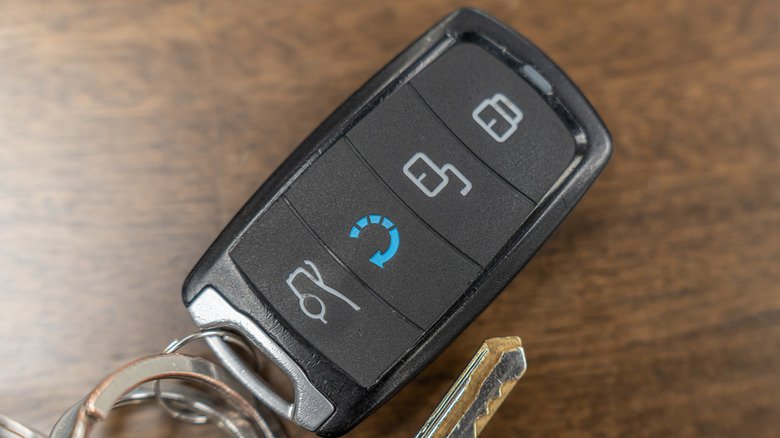
For those who want to keep a backup, understanding how to store spare key fob at home safely remains important, especially during this transition period.
How Smartphone-Based Car Access Works
At the core of mobile-based car entry is a secure digital credential stored on the phone. When the user approaches the car, the phone and vehicle exchange encrypted signals to verify identity. Depending on the manufacturer, this process may use:
- Bluetooth Low Energy (BLE): Allows for passive entry and start, even if the phone remains in the user’s pocket or bag.
- Near Field Communication (NFC): Requires the user to tap their phone against a sensor on the car, similar to contactless payment systems.
- Ultra-Wideband (UWB): Offers precise location tracking, making relay attacks more difficult and enhancing security.
These technologies not only provide convenience but also enable new features, such as sharing digital keys with friends or family through an app. Temporary or restricted access can be granted, which is especially useful for valet parking or car sharing.
Security Implications of Mobile Car Keys
While the convenience of smartphones replacing key fobs is appealing, security remains a top concern. Digital keys rely on encryption and secure hardware to prevent unauthorized access. However, as with any connected technology, potential vulnerabilities exist. Hackers may attempt to exploit weaknesses in Bluetooth, NFC, or app security.
Manufacturers are addressing these risks by implementing multi-factor authentication, biometric verification, and robust encryption standards. Some systems require the phone to be unlocked or use facial recognition before granting access to the vehicle. Additionally, UWB technology is making it harder for criminals to use relay attacks, which have plagued traditional keyless entry systems.
For those interested in the evolution of car key security, this comprehensive guide to automotive keys offers valuable insights into the different types of keys and their security features.
Benefits and Drawbacks of Digital Key Adoption
The adoption of mobile-based car access offers several advantages:
- Convenience: No need to carry an extra device; your phone is always with you.
- Key Sharing: Easily grant or revoke access to others without handing over a physical key.
- Enhanced Security: Advanced authentication methods and encrypted communication reduce the risk of theft.
- Integration: Potential for integration with smart home systems, ride-sharing apps, and vehicle telematics.
However, there are also challenges:
- Battery Dependency: If your phone dies, you may be locked out of your car unless backup options are available.
- Compatibility: Not all vehicles or smartphones support digital keys, and standards are still evolving.
- Privacy Concerns: Location tracking and data sharing may raise privacy issues for some users.
- Technical Issues: Software bugs or connectivity problems could prevent access at critical moments.
As with any new technology, it’s important to weigh these pros and cons before fully embracing mobile-based car access. For those who still use traditional key fobs, knowing the best tools to open key fob case without damage can be helpful for maintenance and battery replacement.

What’s on the Horizon for Car Access?
As the automotive industry continues to innovate, the future of vehicle access is likely to see even more integration with mobile and wearable devices. Some trends and possibilities include:
- Wearable Integration: Smartwatches and fitness bands could serve as digital keys, offering another layer of convenience.
- Cloud-Based Access: Vehicles may be accessible via cloud authentication, allowing remote access and management from anywhere.
- Biometric Authentication: Fingerprint, facial, or even voice recognition could become standard for unlocking and starting vehicles.
- Standardization: Industry-wide standards, such as the Car Connectivity Consortium’s Digital Key specification, will improve compatibility across brands and devices.
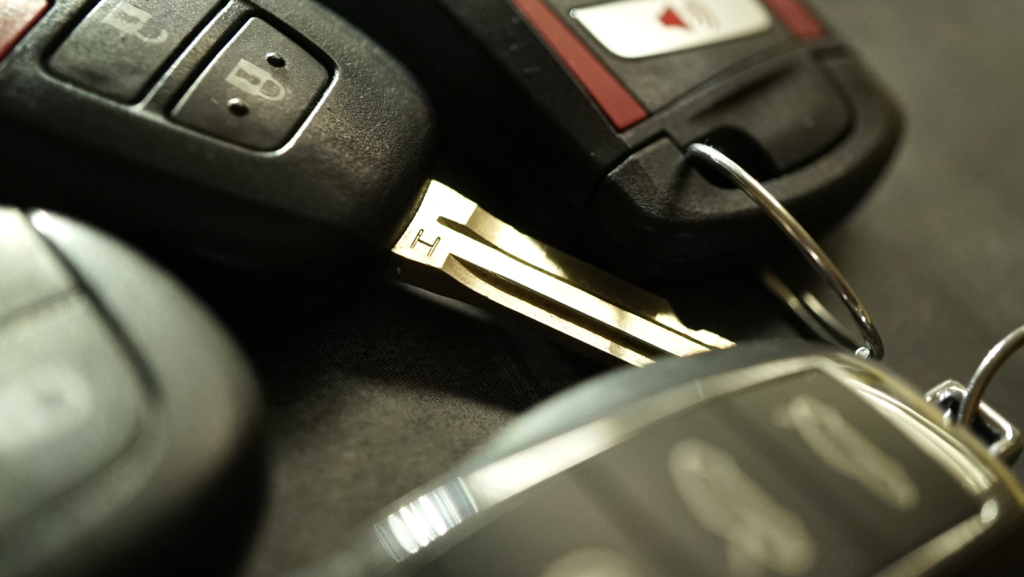
Despite these advancements, physical backup options are likely to remain for the foreseeable future. Many manufacturers still provide a physical key blade hidden within the phone or card, ensuring access in case of technical failure.
Practical Tips for Adapting to Digital Keys
If you’re considering making the switch to mobile-based car access, keep these practical tips in mind:
- Always keep your phone charged and carry a backup power source if possible.
- Familiarize yourself with your car’s backup entry and start procedures in case your phone is lost or dead.
- Regularly update your car’s software and the digital key app to ensure you have the latest security patches.
- Be cautious when sharing digital keys—only grant access to trusted individuals and revoke it when no longer needed.
- Review your privacy settings and understand what data is being shared between your phone and vehicle.
For those who need professional help or encounter lockout situations, it’s wise to know where to find licensed locksmith service transparency rules and contact trusted professionals.
FAQ: Digital Car Keys and the Future of Vehicle Access
Are digital car keys as secure as traditional key fobs?
Digital car keys use advanced encryption and authentication methods, often making them more secure than older keyless entry systems. However, like any technology, they are not immune to vulnerabilities. Manufacturers are continually improving security measures to stay ahead of potential threats.
What happens if my smartphone battery dies?
If your phone runs out of power, you may be unable to unlock or start your car unless your vehicle offers backup options such as a physical key blade or NFC card. It’s a good idea to carry a portable charger and familiarize yourself with your car’s emergency procedures.
Can I share my digital car key with someone else?
Yes, most digital key systems allow you to share access with others via the app. You can set permissions, time limits, and revoke access as needed. This feature is useful for families, friends, or valet services.
Will physical key fobs disappear completely?
While the trend is moving toward digital solutions, physical key fobs are likely to remain as backups for the foreseeable future. Many drivers and manufacturers value the reliability of a physical key in case of technical issues.
How do I know if my car supports smartphone-based access?
Check your vehicle’s owner manual or contact the manufacturer. Many newer models support digital keys, but compatibility depends on both the car and your smartphone’s hardware and software.
As smartphones replacing key fobs becomes more common, staying informed and prepared will help you make the most of these technological advancements while keeping your vehicle secure and accessible.