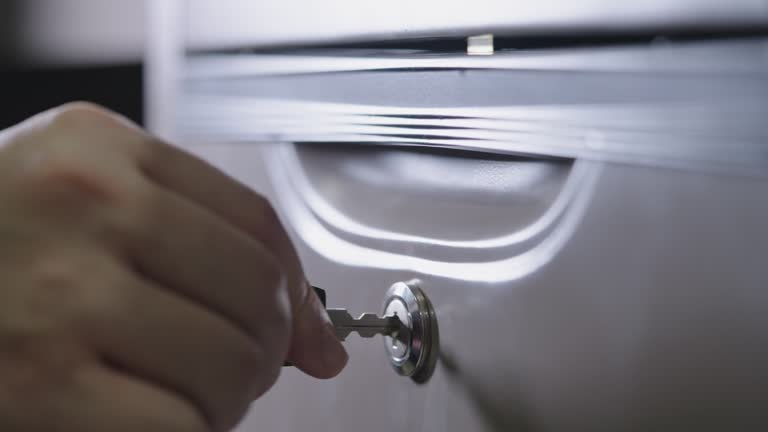
Maintaining the locking mechanism on your file cabinet is essential for both security and smooth daily operation. Over time, dust, debris, and even minor rust can build up inside the lock, making it harder to turn the key or causing the entire system to jam. By following practical file cabinet lock cleaning tips, you can extend the life of your cabinet, prevent frustrating lockouts, and keep your documents secure.
Whether you’re managing a busy office or keeping personal records at home, a well-maintained lock ensures that your cabinet remains both accessible and protected. This article covers the best ways to keep your locking system clear, including step-by-step cleaning instructions, recommended tools, and troubleshooting advice for common issues. If you’re dealing with deeper problems like rust or latch misalignment, you may also want to check out our guide on file cabinet lock rust removal for more targeted solutions.
Why Regular Lock Maintenance Matters
Locks on file cabinets are often overlooked until they start causing trouble. Regular cleaning and maintenance can prevent many common problems, such as:
- Difficulty inserting or turning the key
- Sticking or jammed locking mechanisms
- Accumulation of dust and debris inside the cylinder
- Corrosion and rust development
- Reduced lifespan of the lock and key
By taking a few minutes every few months to care for your cabinet’s lock, you can avoid emergency repairs and keep your files secure and accessible.
Essential Tools and Supplies for Cleaning
Before you start, gather the following supplies to ensure a thorough and safe cleaning process:
- Compressed air canister – for blowing out dust and debris
- Graphite powder or silicone-based lubricant – to lubricate the lock without attracting dirt
- Soft-bristled brush – for gently cleaning the exterior and keyway
- Microfiber cloth – to wipe away grime and polish surfaces
- Isopropyl alcohol (optional) – for cleaning sticky residue
- Key – to operate the lock during cleaning
Avoid using oil-based lubricants, as they can attract dust and eventually gum up the mechanism.

Step-by-Step File Cabinet Lock Cleaning Tips
Follow these steps to keep your file cabinet’s locking system in top condition:
-
Clear Out Loose Debris:
Use a compressed air canister to blow out dust and small particles from the keyway and around the lock. Hold the nozzle close to the opening and give a few short bursts. This helps prevent buildup that can interfere with the lock’s function.
-
Brush Away Surface Dirt:
Gently use a soft-bristled brush to clean around the keyhole and the lock face. This removes any grime that could be pushed inside when inserting the key.
-
Wipe Down the Exterior:
Moisten a microfiber cloth with a small amount of isopropyl alcohol (if needed) and wipe the lock’s exterior to remove fingerprints, sticky residue, or other contaminants.
-
Lubricate the Lock Cylinder:
Apply a small amount of graphite powder or a silicone-based lubricant directly into the keyway. Insert the key and turn it several times to distribute the lubricant inside the mechanism. This step helps the lock operate smoothly and prevents sticking.
-
Test the Lock:
After cleaning and lubricating, insert the key and operate the lock several times. Ensure it turns smoothly and that the locking bar or latch moves freely. If you notice persistent stiffness or jamming, there may be a deeper issue such as rust or a misaligned component. For more advanced repairs, see our resource on file cabinet lock latch repair.
Preventing Common File Cabinet Lock Issues
Preventive care is just as important as cleaning. Here are some strategies to avoid future problems:
- Keep the area around your cabinet free of dust and debris
- Store keys in a clean, dry place to avoid transferring dirt into the lock
- Operate the lock gently—forcing the key can bend or break internal parts
- Inspect the lock regularly for signs of rust, corrosion, or wear
- Address minor issues promptly before they become major repairs
If you notice rust or corrosion, refer to our detailed guide on removing rust from file cabinet locks for step-by-step instructions.

Troubleshooting: When Cleaning Isn’t Enough
Sometimes, even after a thorough cleaning, the lock may still stick or refuse to operate. This could indicate:
- Internal rust or corrosion
- Broken or worn springs
- Misaligned locking bars
- Damaged key or lock cylinder
For these situations, you may need to disassemble the lock or consult a professional. If you’re comfortable with DIY repairs, our guides on central locking system repair and file cabinet lock spring repair offer step-by-step instructions for more complex fixes.
If you’re locked out or the lock is completely jammed, you might find helpful advice in this discussion on opening a stuck file cabinet. For urgent help, don’t hesitate to contact a locksmith for professional service.
How Often Should You Clean Your File Cabinet Lock?
The frequency of cleaning depends on your environment and usage. In most offices or homes, cleaning the lock every three to six months is sufficient. If your cabinet is in a dusty or high-traffic area, consider monthly maintenance. Always clean the lock immediately if you notice resistance, sticking, or difficulty turning the key.
FAQ: File Cabinet Lock Cleaning and Maintenance
How can I tell if my file cabinet lock needs cleaning?
Signs that your lock needs attention include difficulty inserting or turning the key, a rough or gritty feeling when operating the lock, or visible dust and debris around the keyhole. If the lock feels sticky or the key is hard to remove, it’s time for a cleaning.
What’s the best lubricant for a file cabinet lock?
Use a dry lubricant such as graphite powder or a silicone-based spray. These options lubricate the internal components without attracting dust and dirt. Avoid oil-based products, as they can gum up the mechanism over time.
What should I do if the lock is still stuck after cleaning?
If cleaning and lubricating don’t resolve the issue, there may be internal damage, rust, or a broken component. In this case, consult a locksmith or refer to guides on more advanced repairs, such as fixing a locking bar in a file cabinet or replacing worn springs.
Can I use WD-40 on my file cabinet lock?
It’s best to avoid WD-40 or similar oil-based sprays for lock cylinders. While they may provide temporary relief, they tend to attract dust and debris, which can cause the lock to gum up and malfunction over time.
Conclusion
Keeping your file cabinet’s locking mechanism clean and well-maintained is a simple yet effective way to ensure security and smooth operation. By following these practical file cabinet lock cleaning tips, you can prevent many common issues and extend the lifespan of your cabinet. For persistent problems or advanced repairs, don’t hesitate to consult a locksmith or explore our other resources for in-depth guidance.