Losing a key can be stressful, whether it’s for your car, home, or office. Before you rush into getting a replacement, it’s important to take a few essential steps to protect your security, save money, and avoid unnecessary hassle. This guide will walk you through what to do before replacing a lost key, including practical tips, security checks, and ways to make the process smoother.
Acting quickly and methodically can help prevent unauthorized access and ensure you don’t overlook any important details. If you’re dealing with a lost car key, house key, or even a specialized item like a file cabinet, following the right steps can make all the difference. For those facing issues with locked storage, you might also find our locked file cabinet repair guide helpful for related situations.
Assess the Situation and Retrace Your Steps
The first thing to do when you realize a key is missing is to stay calm and carefully retrace your recent movements. Think about where you last used the key and check all the places you’ve been since then. Sometimes, keys are simply misplaced rather than truly lost.
- Check pockets, bags, and clothing you wore recently.
- Look in your car, under seats, and around the ignition area.
- Inspect common drop zones like entry tables, kitchen counters, and workspaces.
- Ask family members, coworkers, or friends if they’ve seen your key.
Taking a few minutes to search thoroughly can often save you the time and expense of a replacement.
Evaluate Security Risks Before Getting a New Key
Before moving forward with a replacement, consider the security implications of your lost key. If the key was attached to something that identifies your address or vehicle, the risk of theft increases. In these cases, it’s wise to take extra precautions:
- For house keys, consider changing your locks or rekeying them.
- For car keys, notify your insurance provider and consider resetting the vehicle’s security system.
- If you lost a work key, inform your employer or building manager immediately.
Taking these steps helps ensure that your property remains secure, even if someone else finds your missing key.
Gather Key Information and Documentation
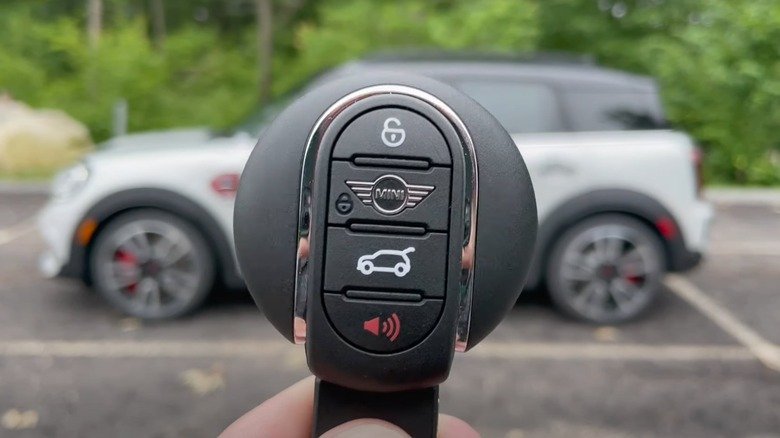
Before you contact a locksmith or dealership for a replacement, collect any information that can help speed up the process. This is especially important for modern keys, such as car key fobs or electronic access cards. Useful details include:
- Key code or serial number (often found in your owner’s manual or paperwork).
- Make, model, and year of your vehicle or lock brand for home/office keys.
- Proof of ownership, such as registration, title, or lease agreement.
- Photo ID to verify your identity.
Having this information ready can reduce delays and help ensure you get the correct replacement key.
Check for Spare Keys and Backup Options
Before spending money on a new key, double-check for any spares you may have stored. Many people forget about backup keys kept in safe places or given to trusted friends or family. If you have a spare, use it to regain access and consider making additional copies for future emergencies.
For those who use electronic key fobs, you might want to review advice on how to store spare key fob at home safely to avoid similar issues in the future.
Understand Your Key Type and Replacement Options
Not all keys are created equal. The process and cost of replacement can vary significantly depending on the type of key you’ve lost. Here’s a brief overview:
| Key Type | Replacement Method | Typical Cost |
|---|---|---|
| Traditional House Key | Locksmith or hardware store | Low |
| Car Key (Basic) | Locksmith or dealership | Moderate |
| Car Key Fob/Transponder | Dealership or specialized locksmith | High |
| Smart Key/Proximity Key | Dealership, some locksmiths | High |
| Office or File Cabinet Key | Building manager or locksmith | Varies |
For a deeper dive into the different types of vehicle keys, check out this comprehensive guide to car key types.
Contact a Trusted Locksmith or Service Provider
Once you’ve confirmed your key is truly lost and checked for spares, it’s time to reach out to a professional. Look for a reputable locksmith or authorized dealer who can provide a secure and reliable replacement. When choosing a locksmith, consider their credentials and transparency. You can learn more about what to expect from a reputable provider in our article on licensed locksmith service transparency rules.
Be prepared to provide proof of ownership and identification. This protects you and ensures that only authorized individuals can request a replacement.

Prevent Future Key Loss
After you’ve replaced your lost key, take steps to avoid similar problems in the future. Here are some practical tips:
- Make and store spare copies in secure locations.
- Use a key tracker or smart keychain to monitor your keys’ location.
- Label keys with a code or symbol (not your address) to help identify them if found.
- Consider upgrading to smart locks or keyless entry systems for added convenience and security.
If you use key fobs, you may also benefit from learning about the key fob signal booster and how it can improve your keyless entry experience.
Frequently Asked Questions
How can I tell if my lost key poses a security risk?
If your missing key was attached to any form of identification (like a tag with your address or car registration), it increases the risk of unauthorized access. In these cases, it’s best to rekey or replace your locks immediately.
Can a locksmith make a new key without the original?
Yes, most professional locksmiths can create a new key even if you don’t have the original. They may use the lock itself, key code, or other documentation to produce a replacement.
What should I do if I find my lost key after replacing it?
If you’ve already rekeyed your locks or reset your car’s security system, the old key will no longer work. If not, consider keeping the found key as a backup, but be sure to update your records and inform anyone who may need to know.
Taking the right steps before replacing a lost key can save you time, money, and stress. By following these guidelines, you’ll protect your security and make the replacement process as smooth as possible.