A thorough security assessment is essential for both homeowners and business owners who want to protect their property and assets. Working with a licensed locksmith ensures that your security review is performed by a qualified professional who understands the latest threats and solutions. This guide explains what a comprehensive locksmith assessment involves, why it matters, and how to get the most value from the process.
Whether you’re concerned about outdated locks, recent break-ins in your neighborhood, or simply want peace of mind, a professional review can identify vulnerabilities you might otherwise overlook. If you’re dealing with specific issues like a jammed cabinet or malfunctioning lock, you may also find helpful resources such as the locked file cabinet repair guide for targeted solutions.
What to Expect from a Professional Locksmith Security Review
A licensed locksmith security assessment is a systematic evaluation of your property’s entry points, locking mechanisms, and overall security posture. The process typically includes:
- Inspection of all exterior and interior doors, windows, and access points
- Evaluation of existing locks, deadbolts, and hardware for quality and effectiveness
- Assessment of additional security features such as safes, alarm systems, and surveillance cameras
- Identification of weak spots or outdated technology that could be exploited
- Recommendations for upgrades, repairs, or new installations
A qualified locksmith will also consider your unique needs, such as high-traffic business areas, sensitive documents, or valuables that require extra protection.
Key Benefits of a Licensed Locksmith Security Assessment
Investing in a professional evaluation offers several important advantages:
- Expertise and Training: Licensed locksmiths have up-to-date knowledge of lock technology and security best practices.
- Objective Recommendations: You receive unbiased advice tailored to your property, not just generic tips.
- Cost Savings: Identifying weaknesses early can prevent expensive break-ins or losses down the line.
- Compliance: For businesses, assessments help ensure you meet insurance and regulatory requirements.
- Peace of Mind: Knowing your property has been professionally reviewed lets you rest easier.
If you’re experiencing issues with specific locks, such as a file cabinet that won’t open, resources like the file cabinet lock not working article can provide additional troubleshooting steps.
Steps Involved in a Security Assessment by a Locksmith
The process is typically straightforward and non-intrusive. Here’s how most assessments unfold:
- Initial Consultation: The locksmith discusses your concerns and gathers information about your property.
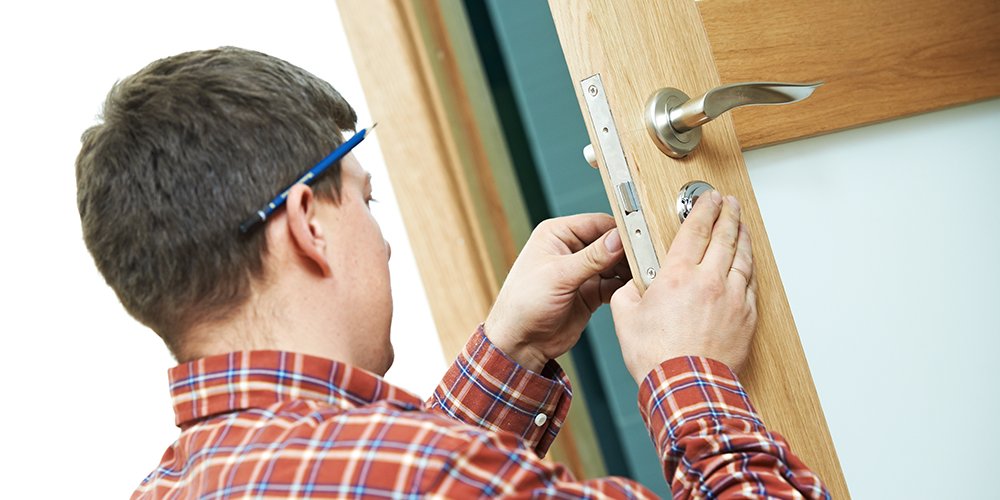
- On-Site Inspection: A walk-through is conducted to examine all entry points, locks, and security systems.
- Testing and Evaluation: The locksmith tests locks for proper function and checks for vulnerabilities, such as worn keys or misaligned doors.
- Reporting: You receive a detailed report outlining findings and prioritized recommendations.
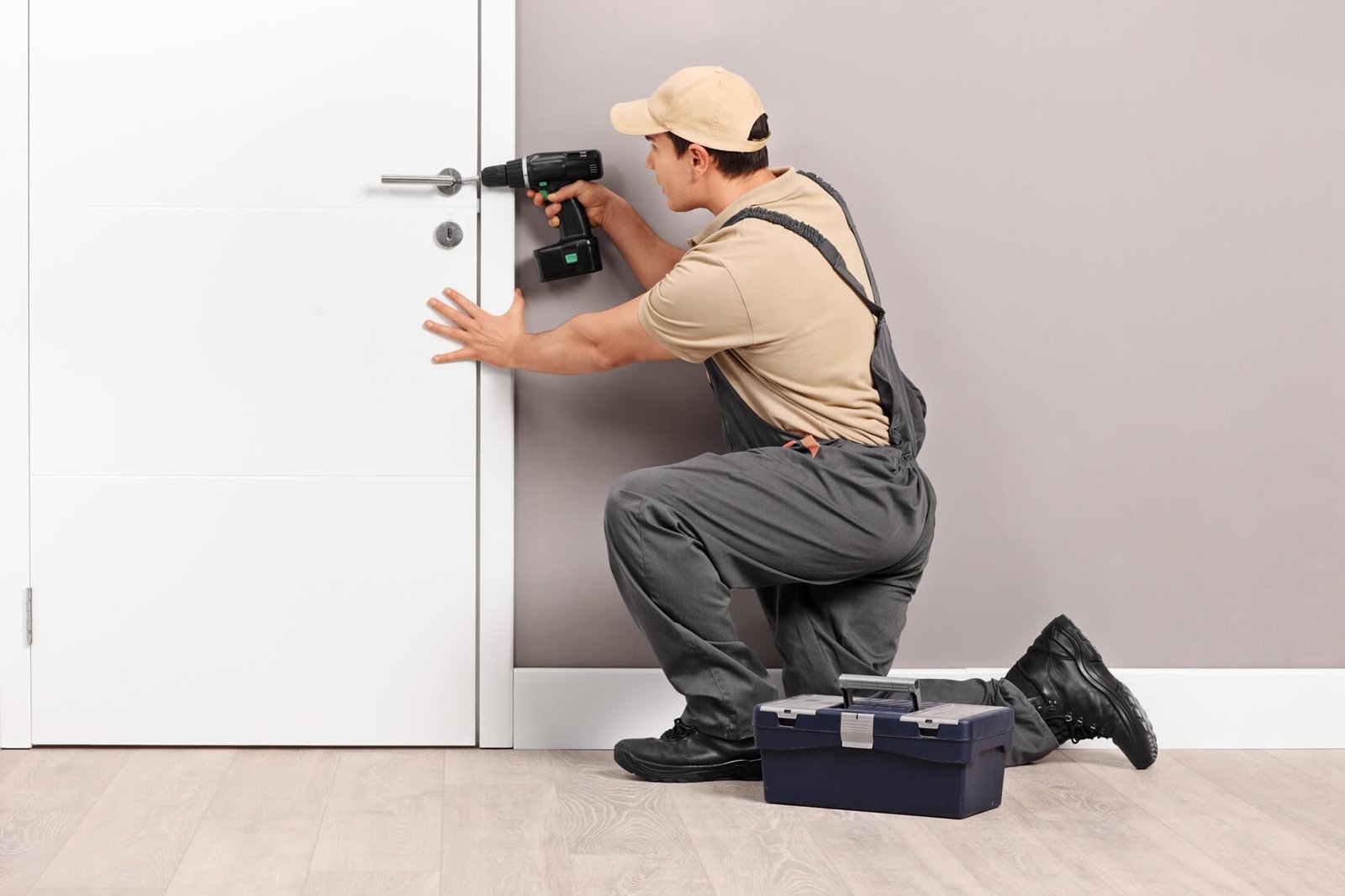
- Implementation: If you choose, the locksmith can perform upgrades or repairs based on the report.
Common Vulnerabilities Uncovered During Assessments
A locksmith security evaluation often reveals issues that property owners may not notice, such as:
- Outdated or low-quality locks that are easily bypassed
- Doors with weak frames or hinges
- Windows lacking proper locking mechanisms
- Unsecured sliding doors or garage entries
- Missing or poorly installed strike plates
- Neglected maintenance leading to malfunctioning locks
Addressing these problems can dramatically improve your property’s safety and reduce the risk of unauthorized entry.
How to Choose a Qualified Locksmith for Your Security Needs
Not all locksmiths offer the same level of expertise or professionalism. When selecting a provider for your security assessment, consider the following tips:
- Verify licensing and insurance to ensure legitimacy
- Look for positive reviews and references from previous clients
- Ask about experience with properties similar to yours (residential, commercial, etc.)
- Request a written estimate and clear explanation of services
- Ensure the locksmith stays updated on the latest security technologies
For urgent situations, such as lockouts or emergencies, it’s wise to have a trusted contact on hand. Learn more about what to do in urgent scenarios from this emergency locksmith resource.
Integrating Security Upgrades After Your Assessment
Once your property has been evaluated, implementing the recommended upgrades is the next step. Common improvements include:
- Installing high-security deadbolts or smart locks
- Reinforcing door frames and hinges
- Adding window locks or security film
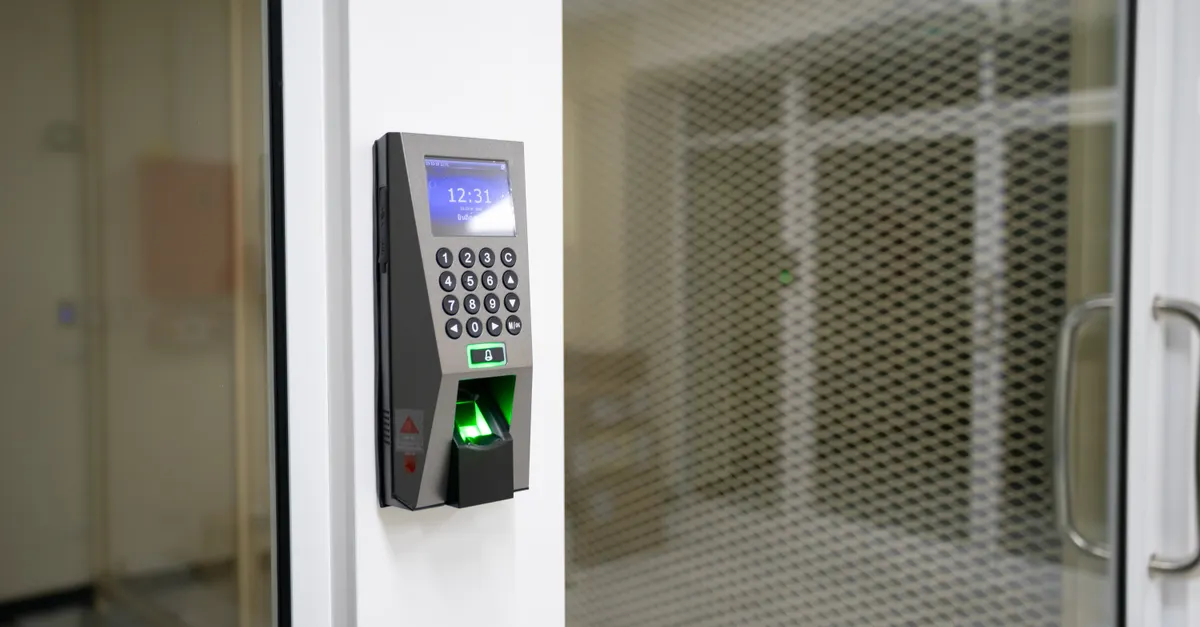
- Upgrading to electronic access control systems for businesses
- Maintaining regular lock servicing to prevent wear and tear
If you’re handling smaller projects like fixing a file cabinet lock, step-by-step instructions can be found in the how to fix file cabinet lock guide.
Maintaining Security: Ongoing Tips from Locksmith Professionals
Security is not a one-time task. Regular reviews and maintenance are crucial to keep your property protected. Here are some ongoing tips:
- Schedule annual or bi-annual security assessments
- Replace or rekey locks after staff changes or lost keys
- Keep up with advancements in lock technology
- Educate family members or employees about security best practices
- Store spare keys securely; for guidance, see the how to store spare key fob at home article
FAQ: Locksmith Security Assessments
How often should I schedule a locksmith security assessment?
It’s recommended to have a professional review your property’s security at least once a year, or after any significant changes such as renovations, staff turnover, or neighborhood crime increases.
What’s the difference between a licensed locksmith and a general handyman?
A licensed locksmith has specialized training, certification, and knowledge of advanced locking systems, while a handyman may lack the expertise and legal authority to work on certain security devices.
Can a locksmith help with electronic and smart lock systems?
Yes, most modern locksmiths are trained to assess, install, and troubleshoot electronic access systems and smart locks, ensuring your property benefits from the latest technology.