When you’re locked out of your home, car, or office, it’s natural to search for help as quickly as possible. Unfortunately, this urgency is exactly what scammers exploit. The locksmith industry, while filled with many reputable professionals, also attracts fraudulent operators who prey on people in stressful situations. Understanding the most common licensed locksmith scams to avoid is crucial for protecting your property, your wallet, and your peace of mind.
In this article, you’ll learn how to recognize red flags, verify credentials, and make informed decisions when hiring a locksmith. For those seeking further guidance on transparency and best practices, the licensed locksmith service transparency rules provide an excellent resource for understanding what to expect from a trustworthy provider.
How Locksmith Fraudsters Operate
Scam locksmiths use a variety of deceptive tactics to lure in unsuspecting customers. They often advertise extremely low prices online or in directories, only to inflate costs once they arrive on site. Many operate under generic business names, making it difficult to verify their legitimacy. Some even use fake credentials or claim to be licensed when they are not.
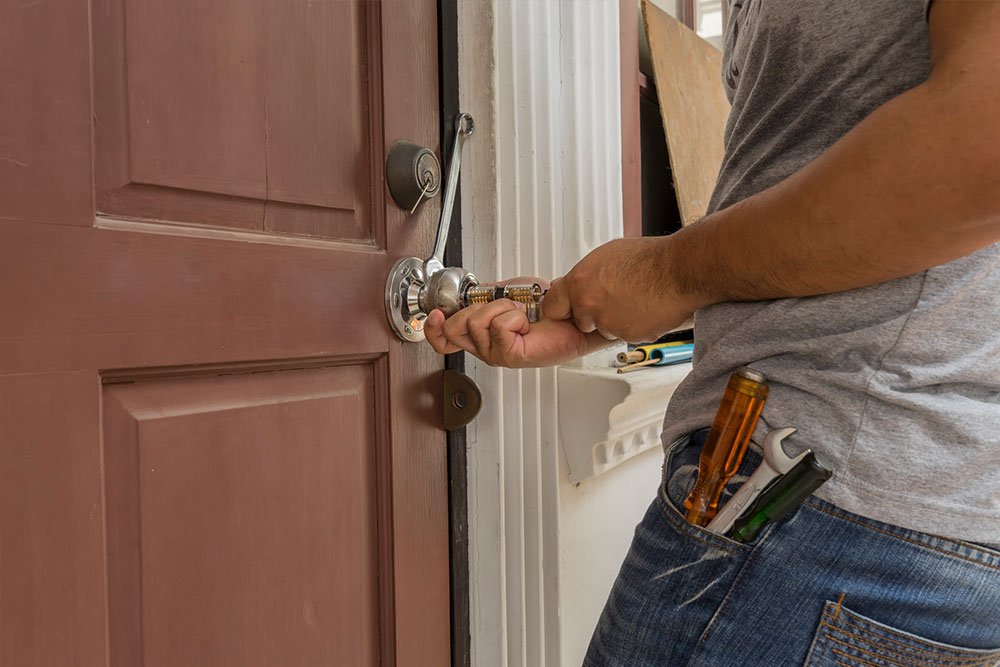
The most common scenario involves a customer calling a locksmith after finding a low quote online. When the technician arrives, they claim the job is more complicated than expected and present a much higher bill. In some cases, the so-called locksmith may even damage your lock intentionally to justify a costly replacement.
Warning Signs of Untrustworthy Locksmiths
Recognizing the signs of a potential scam can save you from unnecessary stress and financial loss. Here are some key indicators to watch for:
- Suspiciously low quotes: If a locksmith advertises services for $15–$40, be wary. These prices are rarely realistic and often serve as bait.
- Lack of identification: Legitimate professionals will arrive in marked vehicles, wear uniforms, and provide identification upon request.
- Unclear business information: Be cautious if the company answers the phone with a generic greeting or cannot provide a physical address.
- Insistence on cash payments: Fraudsters often demand cash to avoid leaving a paper trail.
- Refusal to provide a written estimate: A trustworthy locksmith will always give you a clear, written quote before starting work.
Protecting Yourself from Locksmith Scams
Taking proactive steps can greatly reduce your risk of falling victim to licensed locksmith scams to avoid. Here’s how to safeguard your interests:
- Verify credentials: Ask for proof of licensing and insurance. In many regions, locksmiths are required to be licensed. If you’re unsure what to look for, consult resources like this guide to locksmith certification and licensing.
- Check reviews and references: Look up the business online, read recent reviews, and ask for references if possible.
- Request a written estimate: Before any work begins, insist on a detailed quote that includes all potential fees.
- Be wary of unnecessary drilling: Most reputable locksmiths can unlock doors without destroying the lock. If drilling is suggested immediately, ask for an explanation or seek a second opinion.
- Use local businesses: Choose locksmiths with a physical address in your area. This makes it easier to verify their legitimacy and hold them accountable if issues arise.
Types of Locksmith Scams on the Rise
As the industry evolves, so do the tactics used by scammers. Here are some of the most prevalent schemes currently affecting consumers:
- Fake online listings: Fraudulent businesses flood search engines and directories with fake addresses and phone numbers, making it difficult to distinguish real professionals from imposters.
- Unlicensed operators: Some individuals pose as licensed locksmiths without proper training or certification, putting your security at risk.
- Inflated emergency fees: Scammers often take advantage of urgent situations by charging exorbitant rates for after-hours or emergency calls.
- Switch and bait tactics: After quoting a low price over the phone, the technician arrives and claims additional work is needed, dramatically increasing the final bill.
What to Do If You Suspect a Scam
If you believe you’ve encountered a fraudulent locksmith, there are steps you can take to protect yourself and others:
- Refuse service: If something feels off, don’t be afraid to send the technician away before any work begins.
- Document everything: Take photos of the technician, their vehicle, and any paperwork. Keep records of all communications and receipts.
- Report the incident: Notify your local consumer protection agency, the Better Business Bureau, or law enforcement if you suspect fraud.
- Share your experience: Leave honest reviews online to warn others about dishonest operators.
Choosing a Trustworthy Locksmith
The best defense against licensed locksmith scams to avoid is preparation. Take the time to research and select a reputable locksmith before you need one. Save their contact information in your phone so you’re not forced to make a rushed decision in an emergency.
Look for businesses with transparent pricing, clear credentials, and positive customer feedback. For more tips on preparing for lock emergencies, the licensed locksmith emergency preparedness guide offers practical advice for homeowners and businesses alike.
Frequently Asked Questions
How can I verify if a locksmith is truly licensed?
Always ask to see a physical copy of the locksmith’s license and verify it with your local licensing authority. Many regions have online databases where you can check a professional’s credentials. Don’t hesitate to confirm their legitimacy before allowing any work to begin.
What should I do if a locksmith demands cash only?
Insisting on cash payments is a common red flag. Reputable locksmiths typically accept multiple forms of payment and provide receipts. If you’re pressured to pay cash, consider it a warning sign and look for another provider.
Are all locksmiths required to be licensed?
Licensing requirements vary by location. In many areas, locksmiths must be licensed and insured, while in others, regulations are less strict. Always check your local laws and request proof of licensing before hiring anyone.