If you’ve noticed your car remote losing power more quickly than expected, you’re not alone. Many drivers are surprised when their keyless entry device starts to fail after just a few months or a year. Understanding why key fob drains battery fast can help you prevent unexpected lockouts and avoid unnecessary replacement costs. In this article, we’ll break down the most common causes, how to spot the warning signs, and what you can do to extend the life of your remote’s battery.
We’ll also discuss the impact of modern vehicle technology on remote battery consumption and provide practical maintenance tips. If you’re interested in broader security topics, you may also want to read about licensed locksmith service transparency rules to ensure you’re getting reliable assistance when you need it.
Common Reasons for Rapid Key Fob Battery Drain
There are several factors that can cause your car remote to lose power faster than expected. Some are related to the device itself, while others are influenced by your environment or usage habits. Recognizing these factors can help you take steps to avoid frequent battery replacements.
- Constant Signal Transmission: Some remotes are designed to emit a low-level signal continuously, allowing for features like passive entry. This constant communication can accelerate battery depletion.
- Button Stuck or Pressed Accidentally: If a button remains pressed (for example, when stored in a tight pocket or bag), the device may keep transmitting, quickly draining the battery.
- Proximity to Vehicle: Keeping your remote too close to your car, especially overnight, can cause repeated communication attempts between the two, using up more power.
- Faulty Circuitry or Water Damage: Internal issues or exposure to moisture can cause short circuits, leading to excessive battery consumption.
- Low-Quality Replacement Batteries: Not all batteries are created equal. Using inexpensive or incompatible replacements can result in shorter battery life.
How Modern Features Affect Remote Battery Life
Advanced vehicle technology has made car remotes more convenient, but these improvements often come with increased energy demands. Features like remote start, trunk release, and smart proximity unlocking require more frequent communication between the remote and your vehicle.
For example, smart key systems allow you to unlock and start your car without removing the device from your pocket. However, this convenience means your remote is constantly searching for your vehicle and vice versa. Over time, this can explain why keyless entry devices drain batteries quickly.
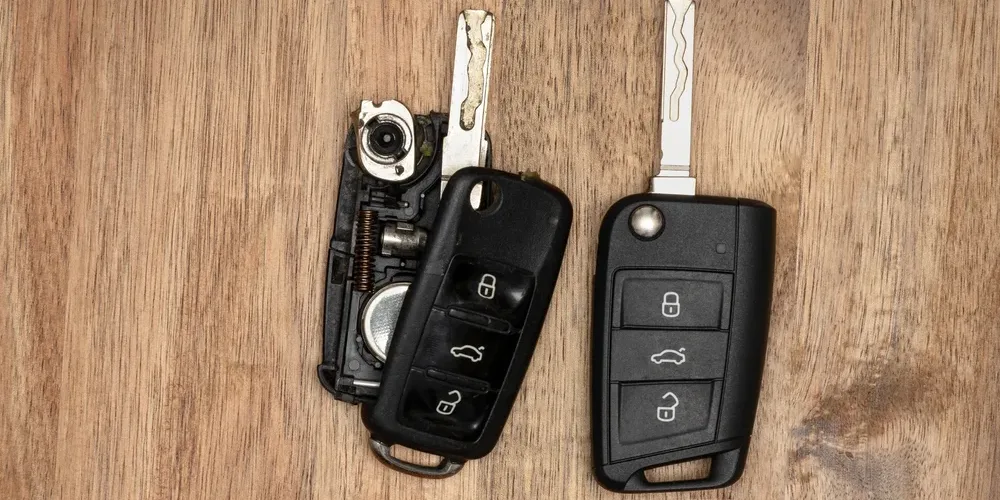
Environmental and Usage Factors That Impact Battery Longevity
The environment in which you use and store your remote can significantly influence how long its battery lasts. Here are some key considerations:
- Temperature Extremes: Both hot and cold environments can reduce battery efficiency. Leaving your remote in a hot car or exposing it to freezing temperatures can shorten its lifespan.
- Moisture and Humidity: Water exposure, even from high humidity, can damage internal components and cause the battery to drain faster.
- Frequency of Use: The more often you use features like remote start or trunk release, the more quickly the battery will deplete.
- Storage Location: Storing your remote near electronic devices or metal objects can cause interference, leading to increased power consumption as the device tries to maintain a connection.
Signs Your Remote Battery Needs Attention
Recognizing the early warning signs of a failing remote battery can help you avoid being locked out or stranded. Some common indicators include:
- Reduced range—needing to stand closer to your vehicle for the remote to work.
- Intermittent operation or delayed response when pressing buttons.
- Dashboard warnings or alerts indicating a low battery in your remote.
- Complete failure to unlock, lock, or start your car remotely.
If you notice any of these symptoms, it’s a good idea to replace the battery promptly. For more information on the different types of car remotes and their features, check out this guide to car key types.

Tips to Prevent Fast Battery Drain in Car Remotes
While some battery drain is inevitable, there are practical steps you can take to extend the life of your remote’s power source:
- Avoid Storing Near Your Vehicle: Keep your remote at least 15–20 feet away from your car when not in use to prevent constant communication.
- Check for Stuck Buttons: Regularly inspect your remote to ensure no buttons are jammed or being pressed unintentionally.
- Use Quality Batteries: Invest in reputable brands and ensure you’re using the correct battery type specified by your vehicle manufacturer.
- Protect from Moisture and Extreme Temperatures: Store your remote in a dry, moderate environment whenever possible.
- Limit Unnecessary Use: Only use remote features when needed to reduce the frequency of signal transmission.
If your remote continues to lose power quickly despite these precautions, it may be time to consult a professional. For those interested in emergency preparedness, the licensed locksmith emergency preparedness guide offers valuable advice for handling lockouts and other urgent situations.
When to Seek Professional Help for Remote Issues
Sometimes, rapid battery drain is a symptom of a deeper problem, such as damaged circuitry or a malfunctioning receiver in your vehicle. If replacing the battery doesn’t solve the issue, or if you notice physical damage to your remote, it’s best to contact a locksmith or your dealership for further diagnosis.
Professional locksmiths can test your remote, check for signal interference, and offer repair or replacement options. They can also help you reprogram your remote if needed, ensuring your security system functions as intended.
FAQ
How often should I replace my car remote battery?
Most car remote batteries last between one and three years, depending on usage and environmental factors. If you notice reduced range or intermittent operation, it’s a good idea to replace the battery sooner.
Can I use any battery for my remote?
No, you should always use the battery type recommended by your vehicle manufacturer. Using the wrong type can result in poor performance or even damage to your remote.
What should I do if my remote still drains batteries quickly after replacement?
Persistent battery drain may indicate a problem with the remote’s internal circuitry or interference from other devices. In this case, consult a professional locksmith or your dealership for further assistance.
Conclusion
Understanding the reasons behind rapid battery drain in car remotes can help you avoid frustration and unexpected expenses. By following the tips outlined above and staying alert to warning signs, you can extend the life of your remote and maintain reliable access to your vehicle. If you ever need expert help, don’t hesitate to reach out to a trusted locksmith for guidance and support.