Keeping your locks in top condition is essential for both security and convenience. Proper care ensures that doors, safes, and other entry points remain reliable, minimizing the risk of unexpected lockouts or failures. In this guide, you’ll find practical advice from professionals on how to maintain your locks, when to seek expert help, and how to spot early signs of trouble. Following these licensed locksmith lock maintenance tips can help extend the life of your security hardware and keep your property protected.
Whether you’re a homeowner, business owner, or property manager, understanding the basics of lock upkeep is a smart way to avoid costly repairs and emergencies. If you’re interested in more specialized services, such as licensed locksmith break in repair services, you’ll find expert resources available for every security need.
Why Regular Lock Maintenance Matters
Locks are mechanical devices that experience wear and tear over time. Dust, moisture, and frequent use can all contribute to internal damage or sticking mechanisms. By following locksmith lock maintenance tips, you can:
- Reduce the risk of lockouts and key jams
- Prevent internal corrosion and buildup
- Ensure smooth operation of doors and safes
- Extend the lifespan of your security hardware
- Maintain warranty coverage on high-security locks
Neglecting routine care can lead to costly repairs or even complete lock replacement. In commercial settings, poorly maintained locks may also violate insurance requirements or building codes.
Essential Steps for Home Lock Care
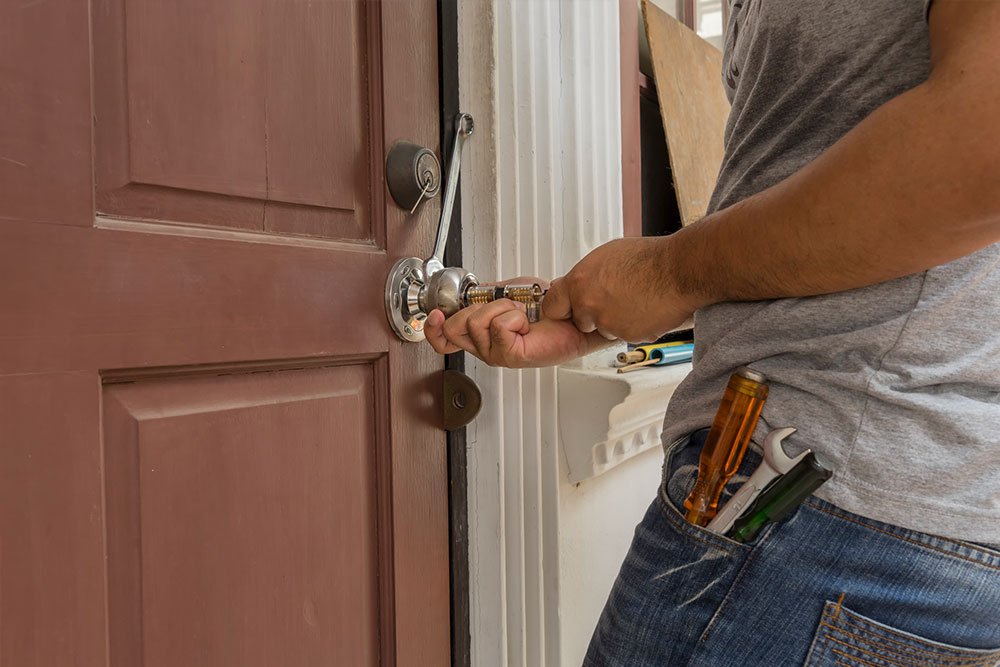
Homeowners can take several simple steps to keep door locks functioning smoothly. Here are some practical licensed locksmith lock maintenance tips for residential properties:
- Clean the Keyway: Use a can of compressed air to blow out dust and debris from the keyhole. Avoid inserting sharp objects, which can damage internal pins.
- Lubricate Sparingly: Apply a graphite-based lubricant or a lock-specific spray to the keyway every six months. Avoid oil-based products, which can attract dirt and gum up the mechanism.
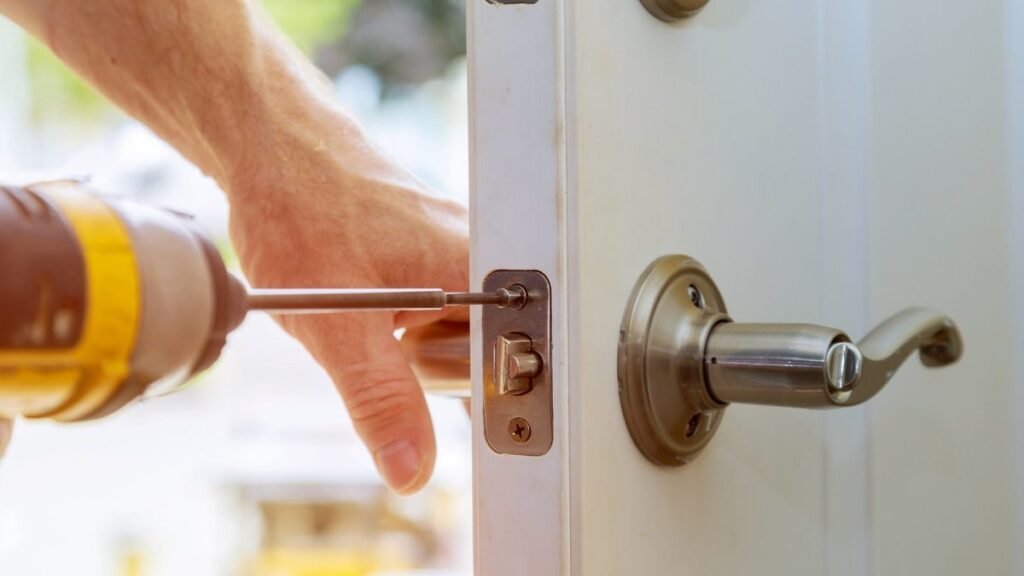
- Check for Loose Screws: Periodically inspect the lock’s mounting screws and tighten as needed. Loose hardware can cause misalignment and sticking.
- Test Keys Regularly: If you notice your key sticking or turning roughly, address the issue early. Worn keys can damage lock cylinders over time.
- Inspect Weatherstripping: Ensure that weather seals around doors do not interfere with lock operation, especially after seasonal changes.
For more advanced concerns, such as broken keys or malfunctioning deadbolts, it’s best to consult a certified professional. If you’re considering upgrades, check out the licensed locksmith door lock replacement guide for detailed advice.
Commercial Lock Maintenance Best Practices
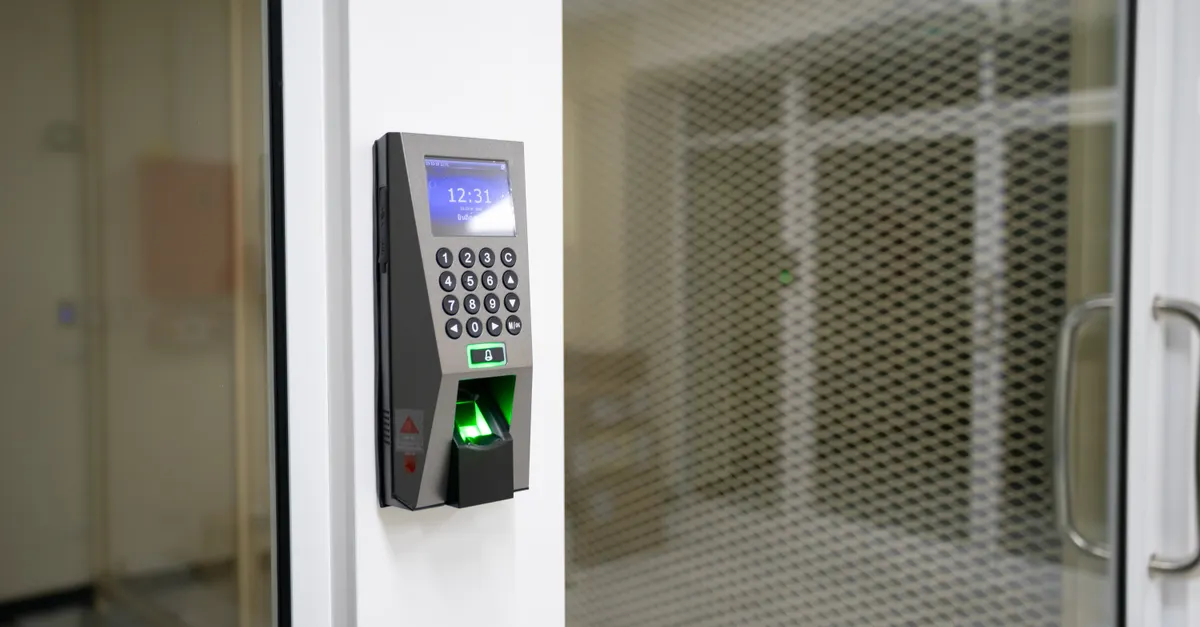
Businesses often rely on complex locking systems, including electronic access controls and high-security cylinders. Proper upkeep is crucial for both security and compliance. Here are some maintenance strategies tailored to commercial settings:
- Schedule Routine Inspections: Arrange for a qualified locksmith to inspect all entry points at least once a year. This helps identify worn parts or potential vulnerabilities.
- Monitor High-Traffic Areas: Doors that see frequent use, such as main entrances or emergency exits, should be checked more often for signs of wear.
- Update Access Credentials: For electronic locks, regularly update codes or access cards to prevent unauthorized entry.
- Document Maintenance: Keep a log of all service visits, repairs, and upgrades. This record can be valuable for insurance or compliance audits.
- Train Staff: Ensure employees know how to operate locks correctly and report any issues promptly.
When to Call a Licensed Locksmith for Maintenance
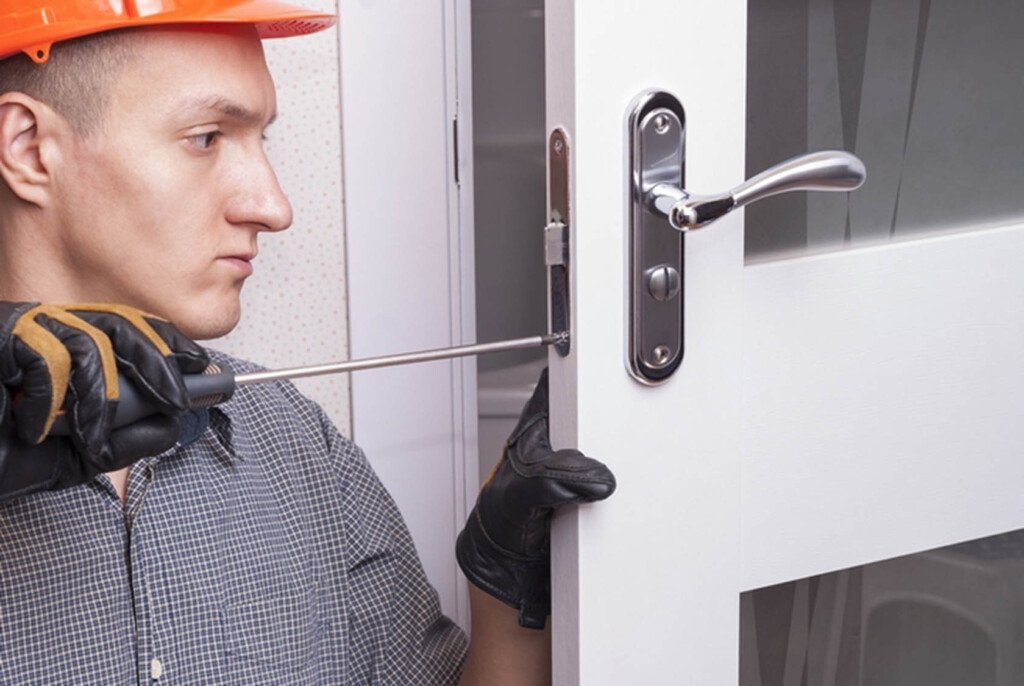
While many routine tasks can be handled by property owners, certain situations require professional expertise. Contact a certified technician if you notice:
- Keys breaking off inside the lock
- Difficulty turning the key, even after cleaning and lubrication
- Visible rust, corrosion, or damage to lock components
- Repeated lockouts or malfunctioning electronic systems
- Unusual noises or grinding when operating the lock
Professional locksmiths have the tools and training to diagnose complex issues, rekey locks, and perform repairs without causing further damage. For more information on what to expect from a certified provider, see this overview of locksmith certification and licensing.
Special Considerations for Safes and Vaults
Safes and vaults require specialized care due to their intricate locking mechanisms and security features. Here are a few tips for maintaining these assets:
- Keep the Dial Clean: For combination locks, gently wipe the dial to prevent dust buildup.
- Test the Lock Regularly: Open and close the safe at least once a month to ensure smooth operation.
- Check for Moisture: Use desiccants or moisture absorbers inside the safe to prevent rust and corrosion.
- Schedule Professional Servicing: Have a licensed locksmith inspect and service your safe or vault every few years, or if you notice any operational issues.
If you’re considering new installations or upgrades, the licensed locksmith safe installation guide offers detailed recommendations.
Upgrading and Replacing Locks: What to Know
Sometimes, maintenance alone isn’t enough. If your locks are outdated, damaged, or no longer meet your security needs, it may be time for an upgrade. Here’s what to keep in mind:
- Assess Security Needs: Evaluate whether your current locks provide adequate protection for your property.
- Choose Quality Hardware: Invest in locks that meet industry standards for durability and security.
- Hire Certified Professionals: Always use a licensed locksmith for installation to ensure proper fit and function.
- Consider Commercial Hardware: For businesses, explore options like panic bars, electronic access, or master key systems. The licensed locksmith commercial door hardware services resource is a good starting point.
Frequently Asked Questions
How often should I lubricate my door locks?
Most experts recommend lubricating door locks every six months using a graphite-based or lock-specific spray. Avoid oil-based lubricants, as they can attract dust and cause buildup.
What are the signs that my lock needs professional attention?
If you notice difficulty turning the key, visible rust, broken keys, or repeated lockouts, it’s time to consult a licensed locksmith. Early intervention can prevent more serious issues and costly repairs.
Can I maintain electronic and smart locks myself?
Basic care, such as cleaning keypads and updating batteries, can be done by most users. However, for software updates, malfunctions, or installation, it’s best to rely on a certified professional to ensure security and functionality.