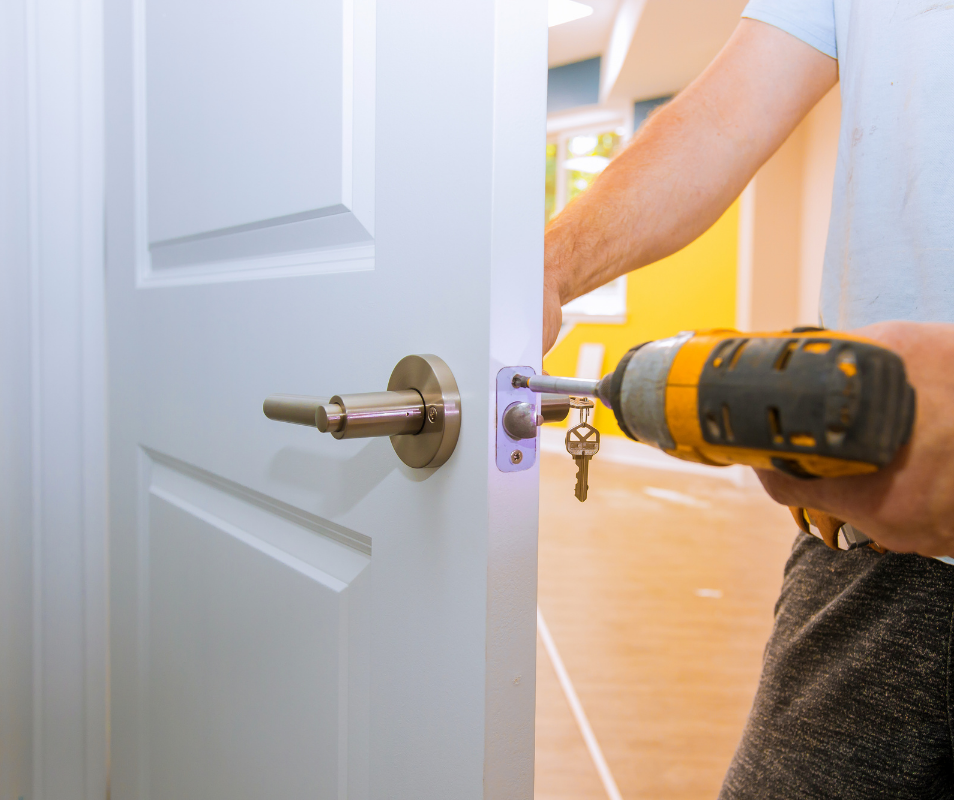
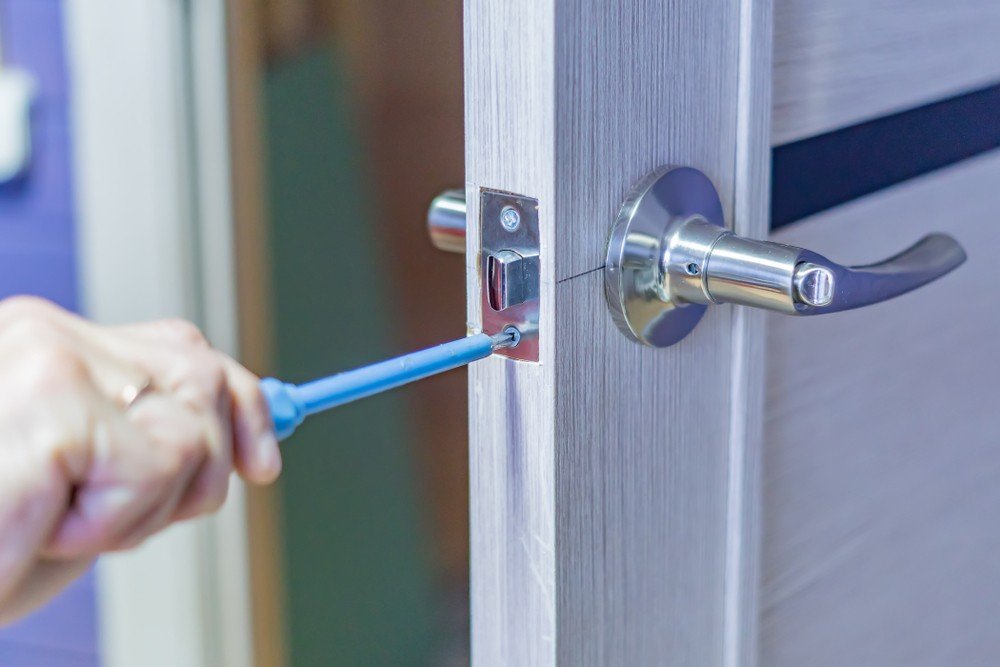
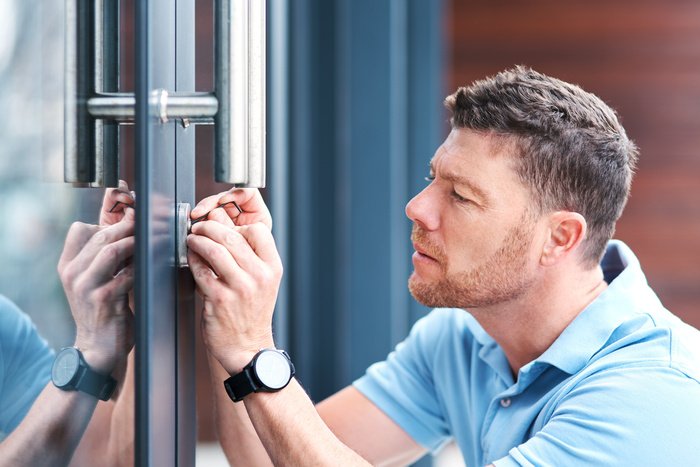
Navigating the process of filing an insurance claim after a lock-related incident can be overwhelming. Whether you’ve experienced a break-in, property damage, or lost keys, understanding how to work with a licensed locksmith and your insurance provider is essential for a smooth and successful claim. This guide explains how professional locksmiths support policyholders, what documentation is required, and how to maximize your chances of a favorable outcome.
If you’re also considering a broader security upgrade or want to ensure your property meets insurance requirements, reviewing the licensed locksmith security consultation checklist can be a valuable next step.

Why Choose a Licensed Locksmith for Insurance Claims?
Insurance companies often require that any lock repairs, replacements, or security upgrades be performed by a licensed locksmith. This ensures the work meets industry standards and that all documentation is valid for claim processing. Working with a credentialed professional provides several benefits:
- Compliance with insurance policy terms: Many insurers specify that only licensed professionals are acceptable for claim-related repairs.
- Detailed, credible documentation: Licensed locksmiths provide invoices, damage assessments, and repair reports that insurers trust.
- Expertise in security standards: Professionals understand the latest lock grade requirements and can recommend solutions that may help prevent future incidents.
- Reduced risk of claim denial: Using an unlicensed provider can result in your claim being rejected or delayed.

Understanding the Insurance Claim Process with Locksmith Services
The process of filing a claim involving locksmith services typically follows a series of steps. Knowing what to expect can help you avoid common pitfalls and streamline your experience:
- Assess the Situation: After a break-in, lost keys, or lock malfunction, document the damage with photos and notes. Secure your property as best as possible.
- Contact Your Insurance Provider: Notify your insurer about the incident. Ask about your policy’s requirements for locksmith services and what documentation is needed.
- Hire a Licensed Locksmith: Choose a reputable, insured, and licensed professional. For guidance on the differences between licensed and unlicensed providers, see this comparison of licensed versus unlicensed locksmiths.
- Obtain Detailed Documentation: Request a written estimate, invoice, and a report describing the work performed and the cause of the problem. These documents are crucial for your claim.
- Submit Your Claim: Provide your insurer with all required paperwork, including locksmith invoices, photos, and any police reports if applicable.
- Follow Up: Stay in contact with your insurer and locksmith. Respond promptly to any requests for additional information.
Key Documentation Needed for Locksmith-Related Claims
Accurate and thorough documentation is essential for a successful insurance claim. When working with a licensed locksmith, ensure you collect the following:
- Itemized invoice with the locksmith’s license number and business details
- Written assessment of the damage or reason for service
- Photos of the affected locks, doors, or entry points before and after repairs
- Police report (if the incident involved theft or vandalism)
- Proof of payment (receipts, credit card statements)
These documents help your insurer verify the legitimacy of the claim and the necessity of the locksmith’s work. If you’re considering additional upgrades for better security or to meet insurance standards, you may also want to explore the licensed locksmith door security upgrades guide.
Common Scenarios Where Locksmith Insurance Claim Support Is Needed
There are several situations where policyholders may need to involve a licensed locksmith as part of an insurance claim:
- Break-ins or attempted burglaries resulting in damaged locks or doors
- Lost or stolen keys requiring lock rekeying or replacement
- Vandalism affecting entry points
- Malfunctioning electronic access systems covered under certain policies
- Emergency lockouts (if covered by your plan)

Tips for Working with Locksmiths and Insurers
To make the most of your licensed locksmith insurance claim assistance, keep the following best practices in mind:
- Verify credentials: Always confirm your locksmith is licensed and insured. This protects you from liability and ensures your claim will be accepted.
- Request written estimates before work begins, especially for larger repairs or replacements.
- Communicate with your insurer at every step to clarify coverage and avoid misunderstandings.
- Keep copies of all correspondence, invoices, and photos for your records.
- Ask about security upgrades: Some policies offer discounts for enhanced security measures. Consider consulting resources like the licensed locksmith high security cylinder installation guide for more information.
How Licensed Locksmiths Streamline the Claims Process
Professional locksmiths not only perform repairs but also act as valuable partners in the insurance process. Their experience with claim documentation, understanding of policy requirements, and ability to provide credible assessments can reduce delays and improve your chances of a successful outcome.
Many locksmiths are familiar with the paperwork insurers require and can tailor their reports to meet those needs. They may also offer advice on preventative measures and compliance with local security standards, which can be beneficial for both immediate claims and long-term property protection.
Frequently Asked Questions
Do insurance companies always require a licensed locksmith for claims?
Most insurers stipulate that repairs or replacements must be performed by a licensed locksmith to ensure quality and compliance. Using an unlicensed provider can risk claim denial or reduced payouts.
What if my locksmith is not licensed?
If you use an unlicensed locksmith, your insurer may reject your claim or require additional verification. It’s always best to confirm credentials before any work begins. For more on the risks, see this comparison of licensed and unlicensed locksmiths.
Can a locksmith help with insurance paperwork?
Yes, most professional locksmiths are experienced in providing the documentation insurers need, including detailed invoices, damage assessments, and repair reports. Be sure to request all paperwork at the time of service.
What types of incidents are usually covered?
Common covered incidents include break-ins, vandalism, lost or stolen keys, and sometimes emergency lockouts. Always check your policy for specific coverage details.
Conclusion
Successfully filing an insurance claim involving locksmith services depends on choosing a qualified professional, gathering the right documentation, and maintaining clear communication with your insurer. By understanding the process and leveraging the expertise of a licensed locksmith, you can protect your property and ensure your claim is processed efficiently. For more insights on security standards and upgrades, you may also want to review the licensed locksmith lock grade standards resource.