When an urgent lock or security issue arises, knowing how to respond can make all the difference. Whether you’re locked out, dealing with a broken key, or facing a compromised entry point, having a plan in place is essential. This guide offers practical steps for handling lock-related emergencies and highlights why working with a licensed locksmith is crucial for both safety and peace of mind.
Along the way, you’ll discover how to verify credentials, what to expect during an emergency call, and how to prepare your home or business for unexpected situations. For those interested in broader security strategies, our licensed locksmith security consultation checklist provides a comprehensive approach to assessing and improving your property’s defenses.
Why Licensed Locksmiths Matter in Emergencies
In urgent situations, it’s tempting to call the first locksmith you find. However, choosing a licensed professional ensures you receive reliable, ethical service. Licensed technicians are trained, insured, and often background-checked, which means your property and security are in trustworthy hands. Unlicensed individuals may lack proper training, use substandard parts, or even pose security risks.
For additional peace of mind, always verify that your locksmith is bonded and insured. This protects you against accidental damage or liability. If you’re unsure how to check these credentials, this guide to verifying bonded, licensed, and insured locksmiths provides clear steps and red flags to watch for.
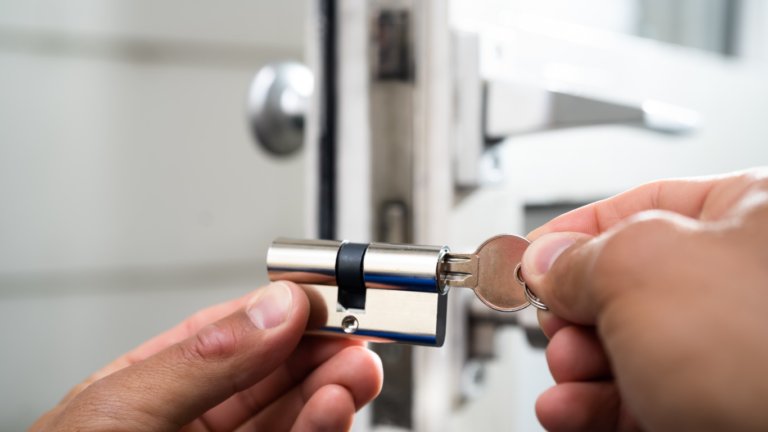
Steps to Take During a Lock or Key Emergency
Emergencies involving locks can be stressful, but following a clear process can help you regain control quickly:
- Stay Calm and Assess the Situation: Before taking action, pause and evaluate the urgency. Is there a safety risk, or is it simply an inconvenience?
- Contact a Licensed Locksmith: Use a reputable provider with proper credentials. Avoid drilling or forcing locks yourself, as this can cause further damage.
- Verify Identification: When the locksmith arrives, ask to see their license and identification. A legitimate professional will expect this request.
- Document the Incident: Take photos or notes, especially if you’ll need to file an insurance claim. For more on this, see our licensed locksmith insurance claim assistance resource.
- Request a Written Estimate: Before work begins, ask for a clear quote. This helps avoid surprise charges and ensures transparency.
Building Your Emergency Preparedness Plan
Proactive planning can minimize the impact of future lockouts or security breaches. Consider these steps to strengthen your readiness:
- Maintain Updated Contact Information: Keep the number of a trusted, local locksmith saved in your phone and written down in an accessible place.
- Duplicate Keys Responsibly: Store spare keys with a trusted neighbor or in a secure lockbox, never under doormats or obvious spots.
- Upgrade Locks and Hardware: Outdated or low-grade locks are more vulnerable. Explore options like high-security cylinders; our licensed locksmith high security cylinder installation guide details the benefits.
- Understand Lock Grades: Not all locks offer the same protection. Learn about standards and ratings in our licensed locksmith lock grade standards article.
- Schedule Regular Security Reviews: Annual checkups with a professional can identify vulnerabilities before they become emergencies.
What to Expect from Emergency Locksmith Services
When you call for urgent locksmith assistance, understanding the process can help set expectations and reduce anxiety. Here’s what typically happens:
- Rapid Response: Most reputable locksmiths offer 24/7 service and aim to arrive quickly, especially for lockouts or security breaches.
- Assessment and Solution: The technician will evaluate the situation, explain your options, and recommend the safest, most cost-effective fix.
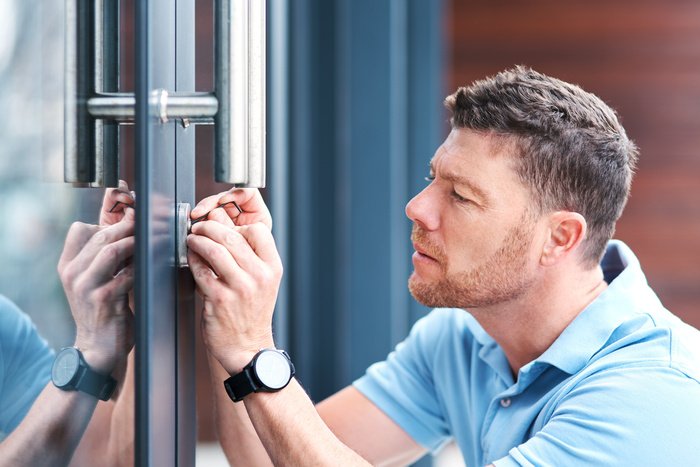
- Non-Destructive Entry: Whenever possible, professionals use specialized tools to open doors without damaging locks or hardware.
- Security Recommendations: After resolving the immediate issue, many locksmiths will suggest improvements to prevent future emergencies. For example, they might recommend door reinforcements, which are covered in our licensed locksmith door security upgrades overview.
- Transparent Billing: You should receive a detailed invoice outlining labor, parts, and any additional fees.
Choosing the Right Locksmith for Emergency Situations
Not all locksmiths are created equal. When selecting a provider for urgent needs, prioritize the following:
- Licensing and Insurance: Always confirm these credentials before allowing work to begin.
- Local Reputation: Look for established businesses with positive reviews and a physical address.
- Clear Communication: Reliable locksmiths answer questions, provide estimates, and explain their process.
- Availability: Emergencies don’t wait for business hours. Choose a provider offering round-the-clock service.
FAQ: Locksmith Emergency Preparedness
How do I verify a locksmith’s license and insurance?
Ask to see their physical license and proof of insurance when they arrive. You can also check with your state’s regulatory board or use online directories. For more detailed instructions, refer to the steps for verifying locksmith credentials.
What should I do if I’m locked out late at night?
Stay in a safe, well-lit area and contact a licensed emergency locksmith with 24/7 availability. Avoid attempting to break in yourself, as this can cause damage or trigger alarms.
Are high-security locks worth the investment?
Yes, upgrading to high-security locks can significantly reduce the risk of break-ins and make forced entry much more difficult. Consult with a professional to determine the best options for your property.
Can a locksmith help after a break-in?
Absolutely. A qualified locksmith can repair or replace damaged locks, reinforce entry points, and recommend further security upgrades to prevent future incidents.
Conclusion
Being prepared for lock and key emergencies is about more than just having a spare key. By working with a licensed locksmith and following the steps outlined here, you can protect your property, minimize stress, and respond effectively when the unexpected happens. Remember to keep trusted contact information handy, review your security regularly, and don’t hesitate to seek professional advice for upgrades or repairs.