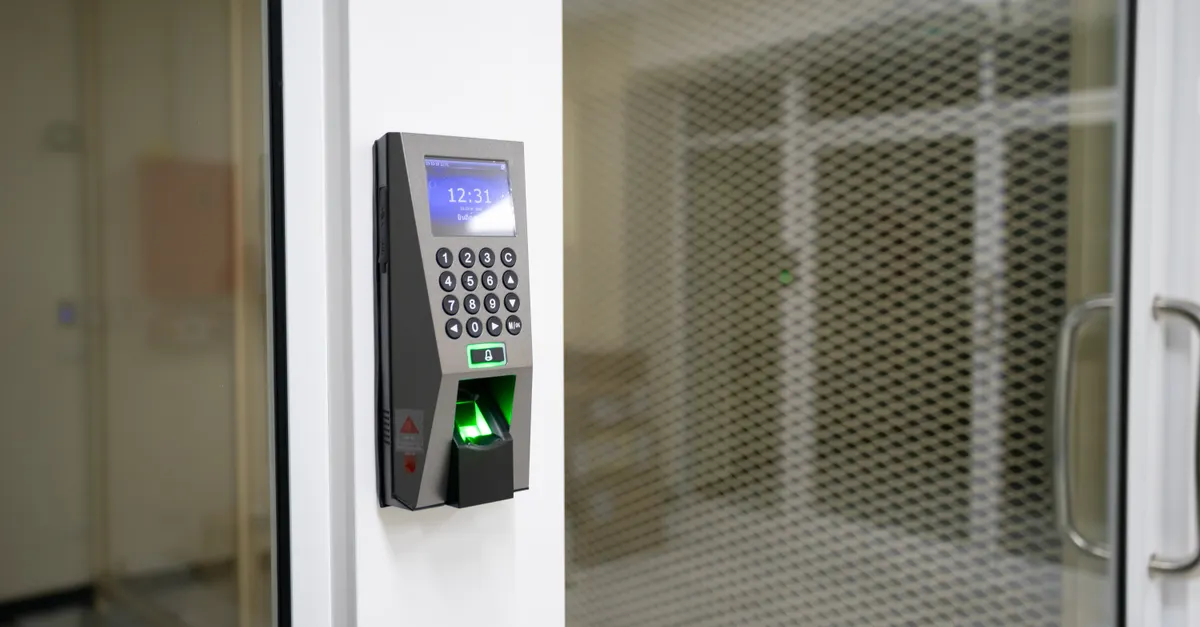
Understanding licensed locksmith consumer protection laws is essential for anyone seeking locksmith services. These regulations are designed to protect consumers from fraud, ensure quality workmanship, and establish clear standards for professionals in the industry. Whether you are locked out of your home, need new locks installed, or require emergency assistance, knowing your rights and the obligations of licensed locksmiths can help you avoid common pitfalls and make informed decisions.
In this article, we’ll break down the key aspects of consumer protection laws for locksmith services, explain how to verify a locksmith’s credentials, and highlight what to do if you encounter issues. For those interested in the transparency requirements that locksmiths must follow, you may also want to review the licensed locksmith service transparency rules for further insight.
Why Locksmith Licensing and Consumer Laws Matter
Locksmith licensing requirements and consumer protection measures exist to safeguard the public from unqualified or dishonest service providers. These laws vary by state and region, but their core purpose is to ensure that only trained, vetted, and insured professionals can legally operate as locksmiths. This helps prevent scams, overcharging, property damage, and privacy violations.
When you hire a licensed locksmith, you are entitled to certain protections, such as transparent pricing, proof of credentials, and recourse if something goes wrong. These legal frameworks also set standards for advertising, invoicing, and dispute resolution, making it easier for consumers to hold locksmiths accountable.

Key Elements of Consumer Protection for Locksmith Services
Several important components make up the legal protections for those using locksmith services. Here are some of the most significant aspects:
- Licensing and Background Checks: Many states require locksmiths to undergo background checks and obtain a license before offering services. This process helps weed out individuals with criminal records or insufficient training.
- Transparent Pricing: Laws often require locksmiths to provide clear, upfront estimates before beginning work. This protects consumers from hidden fees and price gouging.
- Identification Requirements: Licensed professionals must typically carry and present identification, including their license number, when responding to service calls.
- Advertising Standards: Regulations may prohibit false or misleading advertising, ensuring that consumers are not deceived by fake credentials or exaggerated claims.
- Receipts and Documentation: After completing a job, locksmiths are usually required to provide detailed invoices that outline the services performed and the costs involved.
- Insurance and Bonding: Many jurisdictions mandate that locksmiths carry liability insurance or surety bonds to cover damages or losses resulting from their work.
How to Verify a Locksmith’s Credentials and Legal Compliance
Before hiring a locksmith, it’s wise to confirm their legitimacy and compliance with local regulations. Here are practical steps you can take:
- Ask for License and Identification: Always request to see the locksmith’s license and a government-issued ID. Make sure the details match the information provided during your initial contact.
- Check for Insurance: Confirm that the locksmith has valid insurance coverage. This protects you in case of accidental damage or injury during the job.
- Review Online Listings and Reviews: Look up the business online and read customer reviews. Reputable locksmiths will have a consistent presence and positive feedback.
- Request a Written Estimate: Get a detailed quote before any work begins. This should include labor, parts, and any additional fees.
- Consult Official Resources: Many states maintain online databases of licensed locksmiths. Use these resources to confirm the professional’s standing.
For a detailed walkthrough on how to confirm a locksmith’s credentials, see this step-by-step guide to verifying a licensed locksmith.
Common Consumer Rights Under Locksmith Protection Laws
As a customer, you are entitled to several rights when dealing with locksmiths who are subject to consumer protection regulations:
- Right to Clear Information: You should receive transparent information about pricing, services, and the locksmith’s credentials before work starts.
- Right to Refuse Service: If you feel uncomfortable or suspect the locksmith is unlicensed, you can refuse service and contact another provider.
- Right to a Written Invoice: After the job, you are entitled to a detailed receipt outlining the work performed and the charges.
- Right to File Complaints: If you believe your rights have been violated, you can file a complaint with local consumer protection agencies or licensing boards.
- Right to Privacy: Locksmiths must respect your privacy and are prohibited from sharing your personal information or access details with unauthorized parties.

What to Do If You Encounter Problems with a Locksmith
Even with robust consumer protections, issues can sometimes arise. If you experience overcharging, property damage, or suspect you’ve been scammed, take these steps:
- Document Everything: Keep all receipts, written estimates, and correspondence with the locksmith.
- Contact the Locksmith Company: Try to resolve the issue directly with the business. Reputable companies will often work to address complaints.
- File a Complaint: If the issue remains unresolved, file a complaint with your state’s licensing board or consumer protection agency.
- Seek Legal Advice: For serious disputes, consider consulting an attorney or contacting small claims court.
- Notify Your Insurance: If the locksmith’s work affects your property or security, inform your insurance provider. For more information on this process, you can review the licensed locksmith insurance claim assistance guide.
Staying Safe: Tips for Choosing a Compliant Locksmith
To minimize risks and ensure you benefit from all available consumer protections, keep these tips in mind when selecting a locksmith:
- Research Before You Need Help: Identify reputable, licensed locksmiths in your area before an emergency arises.
- Beware of Suspiciously Low Quotes: Extremely low prices can be a red flag for scams or unlicensed operators.
- Ask for Recommendations: Friends, family, and neighbors can often recommend trustworthy professionals.
- Check for Professional Affiliations: Membership in industry associations can indicate a commitment to ethical standards.
- Keep Contact Information Handy: Save the details of a trusted locksmith for quick access during emergencies.
FAQ: Locksmith Consumer Protection and Your Rights
What should I do if a locksmith refuses to show their license?
If a locksmith will not provide proof of licensing or identification, it is best to refuse service and contact another provider. Licensed professionals are required by law to present their credentials upon request.
Are locksmiths required to give written estimates before starting work?
In most areas, yes. Consumer protection laws often mandate that locksmiths provide clear, written estimates before beginning any job. This helps prevent unexpected fees and ensures transparency.
Can I file a complaint if I believe a locksmith overcharged me?
Absolutely. If you suspect overcharging or deceptive practices, you can file a complaint with your state’s consumer protection agency or the locksmith licensing board. Be sure to keep all documentation related to the service.
How can I confirm a locksmith is properly insured?
Ask the locksmith to provide proof of insurance before they begin work. You can also contact their insurance provider directly to verify coverage if you have concerns.
What information should be included on a locksmith’s invoice?
A proper invoice should list the locksmith’s name, license number, a breakdown of services provided, itemized costs, and contact information. This documentation is important for your records and for any potential disputes.