Securing a business property is a top priority for any owner or manager. Whether you’re moving into a new office, responding to employee turnover, or simply upgrading your security, understanding the essentials of commercial rekeying is crucial. This guide offers a comprehensive overview of how a licensed locksmith handles rekeying for commercial spaces, what to expect from the process, and why professional credentials matter for your business’s safety.
For those dealing with specific lock issues, such as cabinets or storage, you may also find practical solutions in our locked file cabinet repair guide, which addresses common access and repair concerns for business storage.
Why Businesses Choose Professional Rekeying Services
Commercial properties face unique security challenges. Unlike residential locks, business premises often have multiple access points, higher employee turnover, and sensitive assets that require robust protection. Engaging a licensed locksmith for rekeying ensures that only authorized individuals retain access, minimizing risks associated with lost, stolen, or unreturned keys.
Some of the most common reasons companies opt for rekeying include:
- Moving into a new office or facility
- Employee departures or terminations
- Lost or stolen keys
- Upgrading to a master key system
- Responding to security breaches or attempted break-ins
By working with a credentialed professional, businesses gain peace of mind knowing that their locks are serviced to industry standards and local regulations.
Understanding the Rekeying Process for Commercial Locks
The process of rekeying involves altering the internal components of a lock so that old keys no longer work, while new keys are issued to authorized personnel. This is a cost-effective alternative to replacing entire lock hardware, especially for businesses with multiple doors or complex access needs.
Here’s how a typical commercial rekeying service unfolds:
- Assessment: The locksmith evaluates your current locking systems, identifies the types of locks in use, and discusses your access requirements.
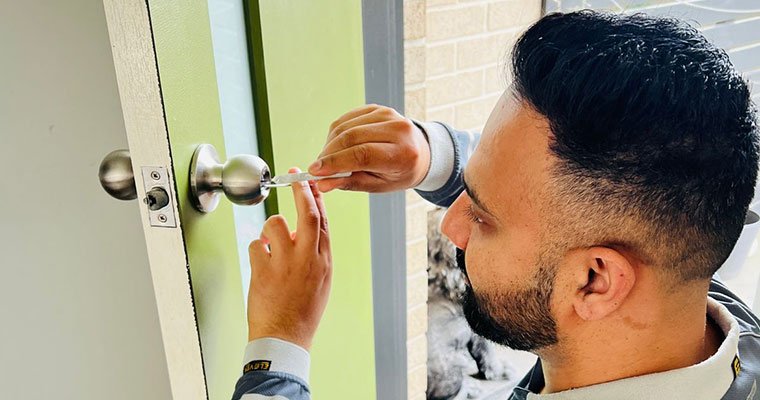
- Disassembly: Locks are carefully removed from doors or access points to access the internal pins or tumblers.
- Reconfiguration: The locksmith replaces the pins inside the lock cylinder, rendering all previous keys useless.
- Key Cutting: New keys are cut to match the updated configuration.
- Testing: Each lock is reinstalled and tested to ensure smooth operation and proper security.
For businesses with multiple entry points, a master key system can be implemented during rekeying. This allows designated managers or owners to access all areas, while employees receive keys limited to specific zones.
Benefits of Hiring a Licensed Locksmith for Business Rekeying
Not all locksmiths are created equal. Choosing a licensed professional offers several advantages that directly impact your business’s security and compliance:
- Verified Skills and Training: Licensed locksmiths have undergone background checks, training, and certification, ensuring they follow best practices and legal requirements.
- Insurance and Accountability: In the rare event of accidental damage or errors, licensed professionals carry insurance to protect your property and assets.
- Compliance with Local Laws: Many jurisdictions require commercial locksmiths to hold specific licenses. This protects your business from legal complications and ensures work is up to code.
- Expert Advice: A credentialed locksmith can recommend upgrades, such as high-security cylinders or electronic access, tailored to your needs.
For more information on the distinctions between insured, licensed, and bonded locksmiths, see this detailed explanation of locksmith credentials.
Key Considerations When Planning a Commercial Rekey
Before scheduling rekeying for your business, consider these important factors to ensure a smooth and effective process:
- Inventory All Access Points: List every door, gate, cabinet, and storage area that requires rekeying. Overlooking a single entry point can compromise your security.
- Decide on Access Levels: Determine who needs access to which areas. This is especially important if you’re implementing a master key system or restricting sensitive zones.
- Schedule Strategically: Plan rekeying during off-hours or downtime to minimize disruption to your operations.
- Communicate With Staff: Inform employees about the upcoming changes and distribute new keys only to authorized individuals.
- Update Security Policies: After rekeying, review and update your key control policies to prevent unauthorized duplication or misuse.
Common Types of Commercial Locks Serviced by Licensed Professionals
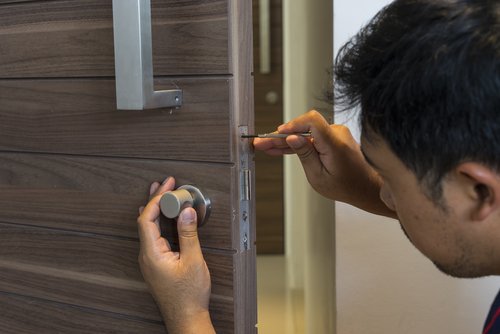
Commercial buildings use a variety of locking mechanisms, each with its own rekeying requirements. Some of the most frequently serviced lock types include:
- Mortise Locks: Common in older or high-traffic buildings, these are durable and often used on exterior doors.
- Cylindrical Locks: Found on most modern office doors, these are straightforward to rekey and widely used.
- Panic Bars and Exit Devices: Essential for emergency exits, these may require specialized rekeying procedures.
- High-Security Locks: Featuring patented keyways and advanced security features, these offer enhanced protection and controlled duplication.
- File Cabinet and Storage Locks: For securing sensitive documents and supplies, these can also be rekeyed by a qualified technician.
If you’re experiencing issues with storage or file cabinet locks, you may also want to review our guide on how to fix file cabinet lock for step-by-step troubleshooting.
How to Choose the Right Locksmith for Your Business
When selecting a locksmith for your commercial rekeying project, keep these criteria in mind:
- Verify Licensing and Insurance: Always ask for proof of credentials and insurance coverage.
- Check Reviews and References: Look for positive feedback from other business clients and ask for references if needed.
- Request a Written Estimate: A reputable locksmith will provide a clear, itemized quote before starting work.
- Ask About Response Time: For urgent situations, ensure the locksmith offers prompt service and emergency support.
- Discuss Security Upgrades: Inquire about advanced options, such as restricted keyways, electronic access, or audit trails, to further enhance your security posture.
Maintaining Security After Rekeying
Once your locks have been rekeyed, ongoing vigilance is essential. Here are some best practices for maintaining a secure environment:
- Keep a Key Log: Maintain a record of all issued keys and their recipients.
- Limit Key Duplication: Use restricted keyways or request that the locksmith keep duplication rights exclusive.
- Conduct Regular Audits: Periodically review access permissions and update locks as staff or access needs change.
- Integrate With Other Security Systems: Consider combining mechanical locks with electronic access control or surveillance for layered protection.
For troubleshooting specific lock issues, such as when a file cabinet lock not working disrupts your workflow, targeted guides can help you resolve problems quickly and safely.
FAQ: Commercial Rekeying and Locksmith Services
How often should a business rekey its locks?
It’s recommended to rekey whenever there is a change in personnel with access, after a security incident, or at least every few years as a preventive measure. High-turnover businesses may need to rekey more frequently to maintain security.
Can all types of commercial locks be rekeyed?
Most standard commercial locks, including mortise, cylindrical, and high-security models, can be rekeyed by a qualified locksmith. However, some electronic or digital locks may require different procedures or replacement parts.
What’s the difference between rekeying and replacing locks?
Rekeying changes the internal pins of the lock so old keys no longer work, while replacing involves installing entirely new hardware. Rekeying is often more cost-effective, especially when the existing locks are in good condition.
Is it possible to create a master key system during rekeying?
Yes, a licensed locksmith can design and implement a master key system as part of the rekeying process, allowing different levels of access for various staff members while maintaining overall control.