Locksmithing is a skilled trade that combines mechanical know-how, problem-solving, and customer service. Whether you’re interested in helping people regain access to their homes, installing advanced security systems, or working with commercial clients, the path to becoming a certified professional in this field is structured and rewarding. If you’re wondering how to become a licensed locksmith, this guide breaks down the process, requirements, and tips to help you start your career with confidence.
Before diving into the steps, it’s important to understand that licensing requirements vary by state and locality. Some regions have strict regulations, while others have minimal oversight. Researching your local laws is a crucial first step. For those interested in related skills, you might also find our locked file cabinet repair guide helpful as you expand your expertise.

Understanding the Role and Responsibilities
Locksmiths do much more than just unlock doors. Their daily work can include:
- Installing, repairing, and maintaining locks and security systems
- Cutting and duplicating keys
- Assisting with emergency lockouts for homes, vehicles, and businesses
- Rekeying locks and creating master key systems
- Advising clients on security upgrades and best practices
As technology advances, many locksmiths also work with electronic access systems, safes, and smart locks. This variety makes the profession both challenging and interesting.
Step 1: Research Local Licensing Requirements
The first step in how to become a licensed locksmith is to check the specific regulations in your state or city. Some areas require formal training, background checks, and state-issued licenses, while others may only ask for a business license. Common requirements include:
- Minimum age (usually 18 or older)
- High school diploma or equivalent
- Clean criminal record (especially regarding theft or burglary)
- Completion of approved training or apprenticeship
- Passing a licensing exam
- Proof of insurance or bonding
Contact your state’s department of consumer affairs or a similar regulatory agency to confirm the exact steps you’ll need to follow.
Step 2: Complete Locksmith Training or Apprenticeship
Formal education isn’t always required, but completing a recognized locksmith training program or apprenticeship is highly recommended. These programs teach essential skills such as:
- Lock mechanisms and key identification
- Safe manipulation and servicing
- Key cutting and duplication
- Security system installation
- Customer service and business ethics
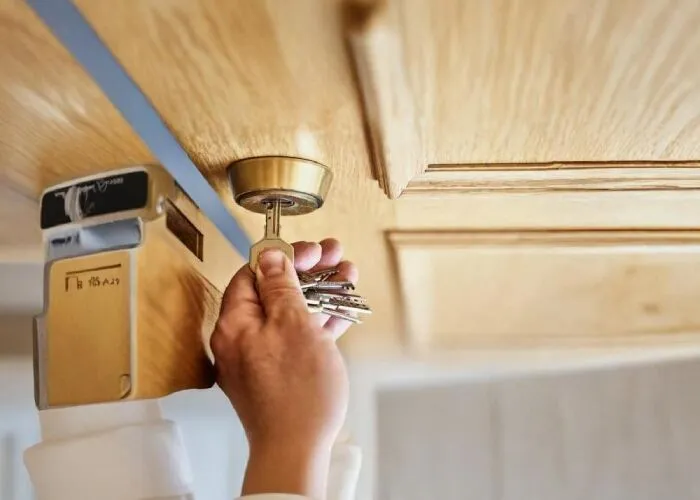
Many community colleges, vocational schools, and locksmith associations offer training courses. Alternatively, you can seek an apprenticeship with an experienced locksmith, which provides valuable hands-on experience and mentorship.
Step 3: Pass Background Checks and Obtain Certification
Because locksmiths have access to sensitive security information and property, most states require a background check. This process typically screens for criminal convictions related to theft, burglary, or fraud. Passing this check is essential to move forward in the licensing process.
Some states or employers may also require you to obtain certification from a professional organization, such as the Associated Locksmiths of America (ALOA). While not always mandatory, certification demonstrates your commitment to the trade and can enhance your credibility with clients.
Step 4: Apply for Your Locksmith License
Once you’ve completed training and passed any required checks, you can apply for your official license. The application process may include:
- Submitting proof of training or apprenticeship
- Providing identification and fingerprints
- Paying licensing fees
- Passing a written or practical exam
Some states issue separate licenses for individuals and businesses, so be sure to apply for the correct type. If you plan to operate your own company, you may also need a business license and liability insurance.
Step 5: Gain Experience and Build Your Reputation
After securing your license, it’s time to gain practical experience. Many new locksmiths start by working for established companies, which allows them to learn the business side of the trade and build a client base. Over time, you may choose to specialize in areas like automotive locksmithing, safes, or electronic security systems.
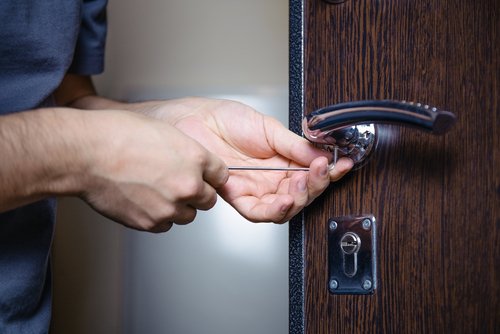
Building a strong reputation is critical in this industry. Satisfied customers often lead to referrals and repeat business. Always act ethically, keep up with new technologies, and consider joining professional associations for networking and ongoing education.
Step 6: Stay Compliant and Continue Learning
Licensing isn’t a one-time event. Many states require locksmiths to renew their licenses periodically and may mandate continuing education to keep up with evolving security technologies. Staying compliant ensures you avoid fines and maintain your ability to work legally.
Continuing education can include attending workshops, online courses, or industry conferences. Staying informed about new lock systems, tools, and regulations will help you provide better service and stay competitive.
Tips for Success in the Locksmith Industry
- Invest in quality tools: Reliable equipment is essential for efficient and professional service.
- Market your services: Build a website, maintain a presence on social media, and encourage satisfied clients to leave reviews.
- Network with other professionals: Join locksmith associations and attend local business events to expand your reach.
- Prioritize customer service: Respond promptly to calls, be transparent about pricing, and always act with integrity.
- Stay informed about scams: Protect your reputation by learning how to avoid common industry scams. For more, see this guide to choosing a licensed, bonded, and insured locksmith.
Related Skills and Resources
Locksmithing often overlaps with other security and maintenance skills. If you’re interested in expanding your expertise, you may want to learn about:
- How to fix file cabinet lock
- File cabinet lock not working
- How to store spare key fob at home
- Best tools to open key fob case without damage
Developing a broad set of skills can help you serve more clients and increase your earning potential.
Frequently Asked Questions
What qualifications do you need to become a locksmith?
Most states require locksmiths to be at least 18 years old, have a high school diploma or equivalent, and pass a background check. Completing a training program or apprenticeship is highly recommended, and some states require passing a licensing exam.
How long does it take to get licensed?
The timeline varies depending on your location and chosen training path. Formal courses can last from a few weeks to several months, while apprenticeships may take one to two years. The licensing process itself can take several weeks after submitting your application.
Is locksmithing a good career choice?
Locksmithing offers job stability, flexibility, and the opportunity to help people in need. With the rise of advanced security systems, there’s a growing demand for skilled professionals. Success depends on your commitment to learning, customer service, and ethical business practices.
Can locksmiths work independently?
Yes, many locksmiths start their own businesses after gaining experience. However, it’s common to begin by working for an established company to learn the trade and build a client base before going solo.
Do locksmiths need insurance?
While requirements vary, having liability insurance is strongly recommended. It protects you and your clients in case of accidental damage or other issues during a job. Some states require proof of insurance as part of the licensing process.
Following these steps and staying committed to professional growth will help you thrive in the locksmith industry. With the right training, licensing, and dedication to customer service, you can build a rewarding and respected career.