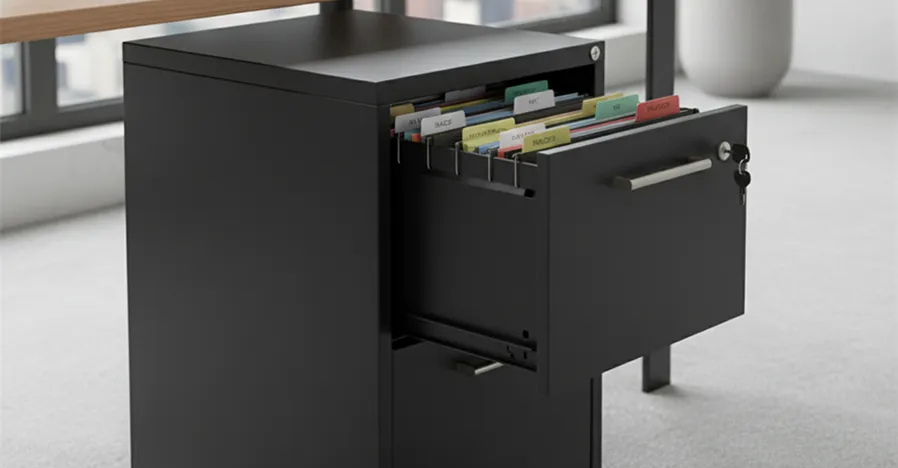
If you’re struggling with a file cabinet lock won’t turn situation, you’re not alone. Office and home storage cabinets often develop lock issues over time, making it difficult or impossible to access important documents. Whether you’re dealing with a stuck key, a jammed cylinder, or a lock that simply refuses to budge, understanding the root causes and practical solutions can save you time, money, and frustration.
This guide explores the most common reasons why a cabinet lock gets stuck, how to safely lubricate and free up the mechanism, and when it’s time to consider professional help or replacement. You’ll also find tips for preventing future problems and links to additional resources, including file cabinet lock drilling method advice if all else fails.
Why File Cabinet Locks Get Stuck
When a cabinet lock refuses to turn, the issue usually falls into one of several categories. Identifying the underlying cause is the first step toward a solution. Here are the most common reasons:
- Dirt and Debris: Dust, lint, or paper shreds can accumulate inside the keyway, blocking the pins or wafers from moving freely.
- Lack of Lubrication: Over time, the internal components of the lock can dry out, causing friction and sticking.
- Worn or Damaged Key: Keys that are bent, worn, or poorly cut may not align the lock pins correctly, making turning difficult or impossible.
- Misaligned Lock Mechanism: If the cabinet is warped or the lock has shifted, the cam or latch may not engage properly.
- Internal Lock Failure: Springs, pins, or wafers inside the lock can break or become jammed, especially in older or heavily used cabinets.
Understanding which of these factors is at play will help you choose the right troubleshooting steps. If you’ve lost your key, consider reviewing lost file cabinet key solutions for regaining access before attempting to force the lock.

How to Diagnose a Stuck File Cabinet Lock
Before reaching for tools or lubricants, it’s important to assess the situation carefully. Here’s a step-by-step approach:
- Inspect the Key: Examine your key for signs of wear, bending, or damage. Try using a spare if available.
- Check for Obstructions: Shine a flashlight into the keyway to look for visible debris. Avoid forcing the key if resistance is high.
- Test the Lock’s Movement: Gently wiggle the key while applying light turning pressure. If the lock feels gritty or stuck, lubrication may help.
- Assess the Cabinet Alignment: Ensure the cabinet drawers or doors are fully closed and not putting pressure on the lock mechanism.
If you suspect the lock is damaged beyond simple cleaning or lubrication, you may need to consider file cabinet key replacement options or even professional intervention.
Lubrication Solutions for Stubborn Cabinet Locks
One of the most effective ways to resolve a file cabinet lock that won’t turn is proper lubrication. However, not all lubricants are suitable for locks, and using the wrong product can worsen the problem.
Choosing the Right Lubricant
- Graphite Powder: This dry lubricant is ideal for locks because it doesn’t attract dust or gum up the mechanism. Apply a small puff directly into the keyway.
- Silicone-Based Sprays: These are safe for most lock types and provide smooth operation without leaving sticky residue.
- Avoid Oil-Based Products: WD-40 and similar oils can attract dirt and eventually cause more sticking. Use only as a last resort and clean thoroughly afterward.
How to Apply Lubricant
- Insert the nozzle or straw of your lubricant into the lock’s keyway.
- Apply a small amount—too much can make the problem worse.
- Insert the key and gently turn it back and forth to distribute the lubricant.
- Wipe away any excess from the lock face and key.
If the lock remains stuck after lubrication, avoid excessive force. Forcing the key can break it off inside the lock, complicating the issue.
When to Call a Locksmith or Replace the Lock
If cleaning and lubrication don’t resolve the issue, or if you notice broken components, it may be time to seek professional help. A locksmith can often open a jammed lock without damage, rekey it, or install a new cylinder. In some cases, drilling may be necessary—see the file cabinet lock drilling method guide for details on this last-resort option.
For those considering a DIY replacement, there are helpful resources on how to replace file cabinet locks that cover the process step by step. Always ensure you have the correct replacement parts and tools before starting.
Preventing Future File Cabinet Lock Problems
Once you’ve resolved a stubborn lock, a few simple habits can help prevent future issues:
- Lubricate the lock annually with graphite powder or silicone spray.
- Keep the keyway clean and free of debris.
- Use keys gently and avoid excessive force.
- Ensure the cabinet is level and not putting stress on the lock mechanism.
- Replace worn or damaged keys promptly.
Regular maintenance can extend the life of your cabinet locks and reduce the risk of unexpected lockouts. If you ever find yourself locked out and need urgent access, consider emergency file cabinet lock opening services for fast solutions.
Frequently Asked Questions
What should I do if my file cabinet key won’t turn at all?
First, check for obvious obstructions in the keyway and inspect your key for damage. Try lubricating the lock with graphite powder or a silicone-based spray. If the lock remains stuck, avoid forcing it and consider reaching out to a locksmith.
Can I use WD-40 or oil to fix a sticky file cabinet lock?
While oil-based lubricants like WD-40 can provide temporary relief, they often attract dust and debris, leading to more problems over time. It’s best to use graphite powder or a silicone-based lubricant specifically designed for locks.
How can I prevent my file cabinet lock from getting stuck again?
Regularly lubricate the lock, keep the keyway clean, and use your keys gently. Avoid using damaged keys and ensure the cabinet is not misaligned or putting pressure on the lock mechanism.