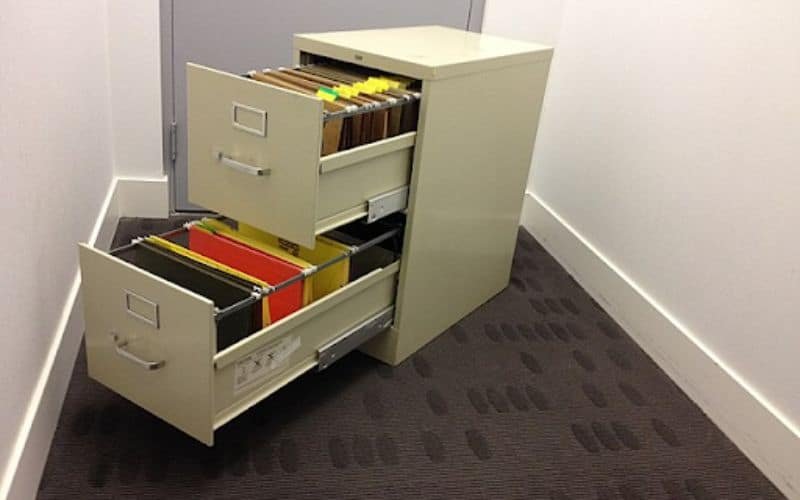
A file cabinet lock stuck shut can disrupt your workflow and leave important documents inaccessible. Whether you’re dealing with a jammed lock at home or in the office, it’s essential to know how to diagnose the problem and open the cabinet safely. This guide covers practical steps for identifying the cause, resolving common issues, and preventing future lockouts.
If you’ve previously struggled with a file cabinet key won’t turn in lock or a latch that won’t catch, you’ll find actionable advice here to help you regain access without causing damage. Let’s explore the most effective ways to handle a stuck file cabinet lock and keep your storage secure.
Common Reasons for a File Cabinet Lock That Won’t Open
Understanding why a file cabinet lock is stuck shut is the first step toward a solution. Several factors can cause a lock to jam, including:
- Key Wear or Damage: Keys that are bent, worn, or damaged may not align the lock pins correctly.
- Debris or Dirt: Dust and debris inside the lock cylinder can prevent smooth operation.
- Lack of Lubrication: Over time, locks can dry out, making them difficult to turn.
- Misaligned Lock Components: Internal parts may shift or become misaligned, especially if the cabinet is old or has been forced.
- Broken Lock Mechanism: Internal breakage can render the lock inoperable, requiring professional repair or replacement.
If you’ve encountered similar issues, you may also want to review advice on a file cabinet lock stuck open or explore solutions for when the file cabinet lock won’t turn.
Initial Troubleshooting Steps
Before reaching for tools or calling a locksmith, try these basic troubleshooting steps to free a jammed lock:
- Inspect the Key: Examine your key for bends or visible wear. If you have a spare, try using it.
- Wiggle the Key Gently: Insert the key fully and gently wiggle it up and down while turning. Avoid using excessive force, which can break the key.
- Apply Lubricant: Use a graphite-based lubricant or a lock-specific spray. Avoid oil-based products, as they can attract more dirt.
- Check for Obstructions: Shine a flashlight into the keyway to look for debris. Compressed air can help clear out dust.
- Ensure Proper Alignment: Sometimes, the cabinet drawers need to be pushed or pulled slightly to relieve pressure on the lock mechanism.

How to Open a Stuck File Cabinet Lock Without Damage
If the basic steps above don’t work, you may need to try more advanced methods. Here are some effective techniques to open a jammed cabinet lock safely:
- Try a Different Key: If you have access to a master key or a duplicate, it may work better than a worn original.
- Use a Lock Pick: For those comfortable with non-destructive entry, using a lock pick set can help manipulate the pins. For a step-by-step approach, refer to this guide on how to pick file cabinet lock.
- Tap the Lock Cylinder: Gently tapping around the lock with a small rubber mallet can sometimes loosen stuck components.
- Remove the Lock Core: If accessible, some locks allow you to remove the core with a retaining clip or screw. This may require partial disassembly of the cabinet.
- Call a Professional: If all else fails, a locksmith can open the lock without damaging the cabinet or its contents.
Avoid using forceful methods such as drilling or prying unless you are prepared to replace the lock entirely, as these can cause permanent damage.
Preventing Future File Cabinet Lockouts
Once you’ve resolved the current issue, it’s wise to take steps to prevent future problems with your cabinet lock:
- Regular Maintenance: Lubricate the lock cylinder every six months with a graphite-based product.
- Keep Keys in Good Condition: Avoid using bent or damaged keys, and store spares in a secure location.
- Clean the Lock Area: Wipe away dust and debris from around the lock to prevent buildup inside the cylinder.
- Replace Worn Locks: If your lock is old or frequently jams, consider replacing it. For a step-by-step replacement process, see these easy steps to filing cabinet lock replacement.
If you’ve lost your key or need a new one, explore file cabinet key replacement options to restore access quickly and securely.
When to Replace or Upgrade Your File Cabinet Lock
If you find yourself repeatedly dealing with a file cabinet lock stuck shut, it may be time to consider a replacement or upgrade. Modern locks offer improved security and reliability, reducing the risk of future lockouts. Look for features such as:
- High-Security Cores: These resist picking and unauthorized duplication.
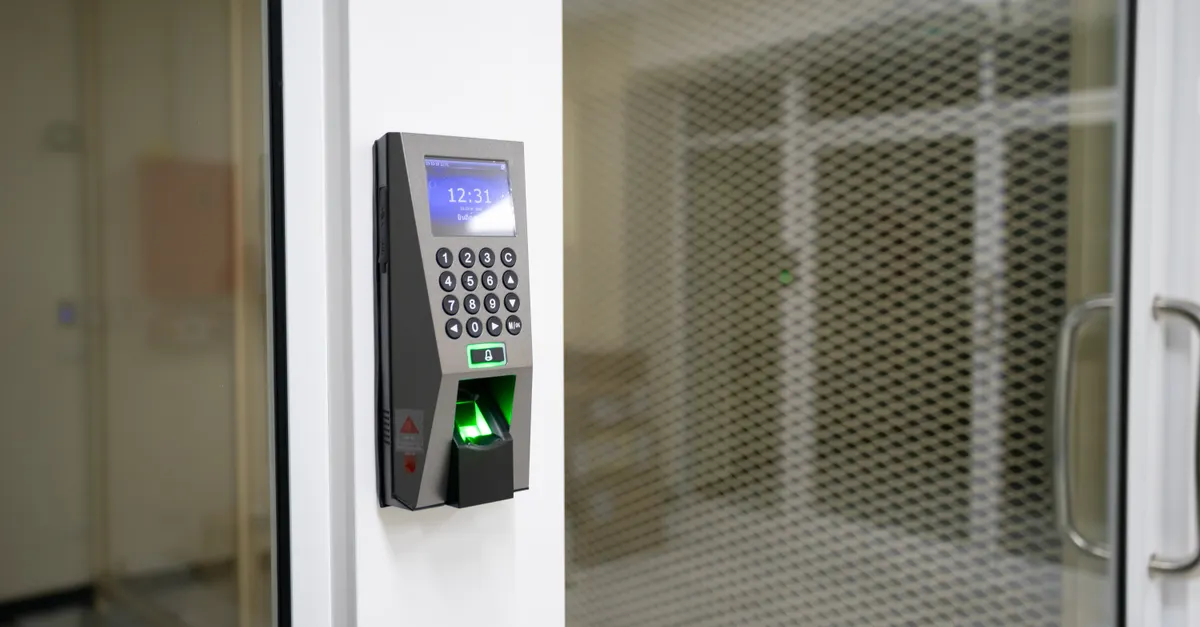
- Keyless Options: Combination or electronic locks eliminate the need for physical keys.
- Durable Materials: Choose locks made from corrosion-resistant metals for longevity.
Upgrading your lock can also help protect sensitive documents and ensure compliance with workplace security policies.
FAQ: Solutions for Stuck File Cabinet Locks
What should I do first if my file cabinet lock is jammed?
Start by inspecting your key for damage and gently wiggling it in the lock. Apply a graphite-based lubricant and check for visible debris. Avoid using excessive force to prevent breaking the key inside the lock.
Can I open a stuck file cabinet lock without a key?
Yes, non-destructive methods such as lock picking or using a shim can sometimes open a jammed lock. If you’re unfamiliar with these techniques, consult a professional locksmith to avoid damaging the cabinet.
How can I prevent my file cabinet lock from sticking in the future?
Regularly lubricate the lock, keep keys in good condition, and clean the area around the lock. If the lock continues to jam, consider replacing it with a more reliable model.
Is it safe to drill out a stuck cabinet lock?
Drilling should be a last resort, as it will destroy the lock and may damage the cabinet. If you must drill, be prepared to replace the lock immediately afterward. It’s usually safer and more cost-effective to call a locksmith.
A jammed file cabinet lock can be frustrating, but with the right troubleshooting steps and preventive care, you can restore access and avoid future issues. For persistent problems or urgent access needs, don’t hesitate to reach out to a professional locksmith for assistance.