The automotive industry is undergoing a significant transformation as digital technology becomes more integrated into everyday vehicles. One of the most notable shifts in recent years is the adoption of phone-as-key systems, which allow drivers to use their smartphones to unlock, start, and even share access to their cars. This evolution is driven by a combination of convenience, enhanced security, and the desire for seamless connectivity. Understanding why cars are moving toward phone as key solutions can help drivers, manufacturers, and service providers adapt to the changing landscape of vehicle access and security.
As traditional car keys evolve from simple mechanical devices to sophisticated digital tools, both consumers and professionals must stay informed about the implications of these changes. For those interested in the regulatory and operational aspects of automotive security, the licensed locksmith service transparency rules provide valuable insights into maintaining trust and compliance in this new era.
The Evolution from Traditional Keys to Digital Access
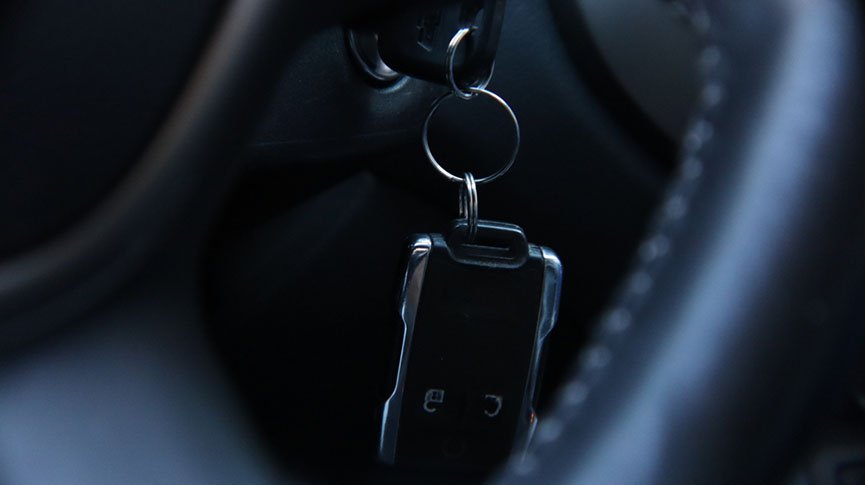
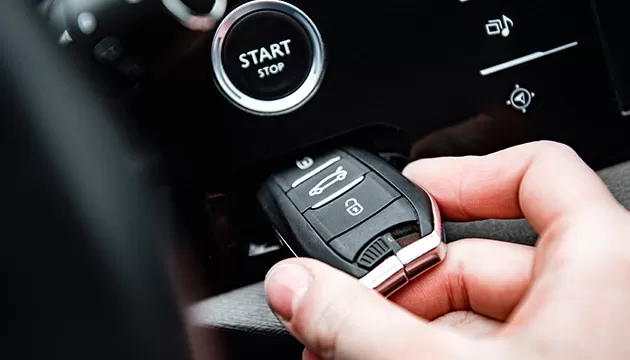
Car keys have come a long way since the days of simple metal blades. The progression from mechanical keys to remote key fobs, and now to digital access methods, reflects broader trends in technology and consumer expectations. Modern vehicles often feature keyless entry and push-button start systems, which have paved the way for even more advanced solutions like phone-based car access.
With the rise of smartphones as essential everyday tools, it was only a matter of time before automakers leveraged their capabilities for vehicle access. Today, many new models from leading brands offer the ability to unlock and start the car using a secure app or digital wallet on a mobile device. This shift is not just about convenience—it’s also about aligning with the digital lifestyles of modern drivers.
Key Drivers Behind the Shift to Smartphone-Based Car Access
There are several compelling reasons why automakers are embracing phone-as-key technology:
- Convenience: Drivers no longer need to carry a separate key fob. With their phone always at hand, accessing the vehicle becomes effortless.
- Enhanced Security: Digital keys can use biometric authentication, such as fingerprint or facial recognition, adding an extra layer of protection against theft.
- Remote Capabilities: Many systems allow users to lock, unlock, or start their car from a distance, and even share temporary access with friends or family.
- Integration with Smart Ecosystems: Phone-as-key systems can be integrated with other smart devices and services, enabling features like remote diagnostics, vehicle tracking, and automated maintenance reminders.
- Cost Savings: Over time, manufacturers can reduce the cost and complexity of producing and managing physical keys.
How Phone-as-Key Systems Work
The core of these systems is a secure digital credential stored on the user’s smartphone. This credential communicates with the vehicle via technologies such as Bluetooth Low Energy (BLE), Near Field Communication (NFC), or Ultra-Wideband (UWB). When the authorized phone is within range, the car recognizes the digital key and grants access.
For added security, many solutions require biometric authentication or a passcode before the car can be unlocked or started. Some manufacturers also allow digital keys to be shared with others for a limited time, making it easier to lend a car without handing over a physical key.
Security Implications and Considerations
While phone-as-key technology offers enhanced protection compared to traditional keys, it is not without risks. Cybersecurity is a top concern, as hackers may attempt to intercept or clone digital credentials. Automakers are investing heavily in encryption, secure hardware, and regular software updates to minimize vulnerabilities.
For drivers, it is important to keep their smartphones updated and use strong authentication methods. In the event of a lost or stolen phone, most systems allow the digital key to be revoked remotely, reducing the risk of unauthorized access.
To better understand the different types of car keys and their unique functions, consider reading this comprehensive guide to car key types and functions.
Impact on Locksmiths and Automotive Services
The move toward digital keys is reshaping the role of locksmiths and automotive service providers. Traditional skills such as cutting and programming physical keys remain important, but there is a growing need for expertise in digital security, software troubleshooting, and electronic access systems.
Locksmiths who adapt to these changes can offer valuable services such as digital key setup, troubleshooting, and emergency access solutions. For those interested in expanding their capabilities, resources like the licensed locksmith franchise opportunities guide can provide direction on how to stay competitive in a rapidly evolving industry.

Benefits and Challenges of Digital Car Keys
The advantages of using a smartphone as a car key are clear: streamlined access, improved security, and the ability to manage multiple vehicles or users from a single device. However, there are also challenges to consider:
- Reliance on Technology: If a phone battery dies or the device malfunctions, drivers may be locked out of their vehicles.
- Compatibility: Not all vehicles or smartphones support digital key technology, which can limit adoption.
- Privacy Concerns: As with any connected device, there is a risk of personal data being accessed or shared without consent.
- Learning Curve: Some users may find it difficult to transition from traditional keys to digital systems, especially those less comfortable with technology.
Despite these hurdles, the momentum behind smartphone-based car access continues to grow as manufacturers refine their systems and address consumer concerns.
What the Future Holds for Vehicle Access
As digital technology becomes more deeply embedded in vehicles, the trend toward phone-as-key solutions is expected to accelerate. Future developments may include even more secure authentication methods, greater integration with smart home and mobility platforms, and expanded options for sharing or customizing access.
For drivers, staying informed about these changes is essential to making the most of new features while maintaining security. For professionals in the automotive and locksmith industries, ongoing education and adaptation will be key to thriving in a landscape where digital and physical security increasingly overlap.
Frequently Asked Questions
Are phone-as-key systems more secure than traditional car keys?
In many ways, yes. Digital keys often use encryption and biometric authentication, making them harder to duplicate or steal than physical keys. However, they do introduce new cybersecurity risks, so keeping devices updated and using strong authentication is important.
What happens if I lose my phone or it runs out of battery?
Most manufacturers provide backup options, such as a physical key card or emergency access code. If your phone is lost or stolen, you can usually revoke the digital key remotely to prevent unauthorized use.
Can I share my digital car key with someone else?
Yes, many systems allow you to grant temporary or permanent access to other users through the app. This is useful for lending your car to friends or family without needing to hand over a physical key.
Will locksmiths still be able to help with digital key issues?
Absolutely. Many locksmiths are expanding their skills to include digital key programming, troubleshooting, and emergency access services. It’s a good idea to choose a provider who is familiar with the latest technology.