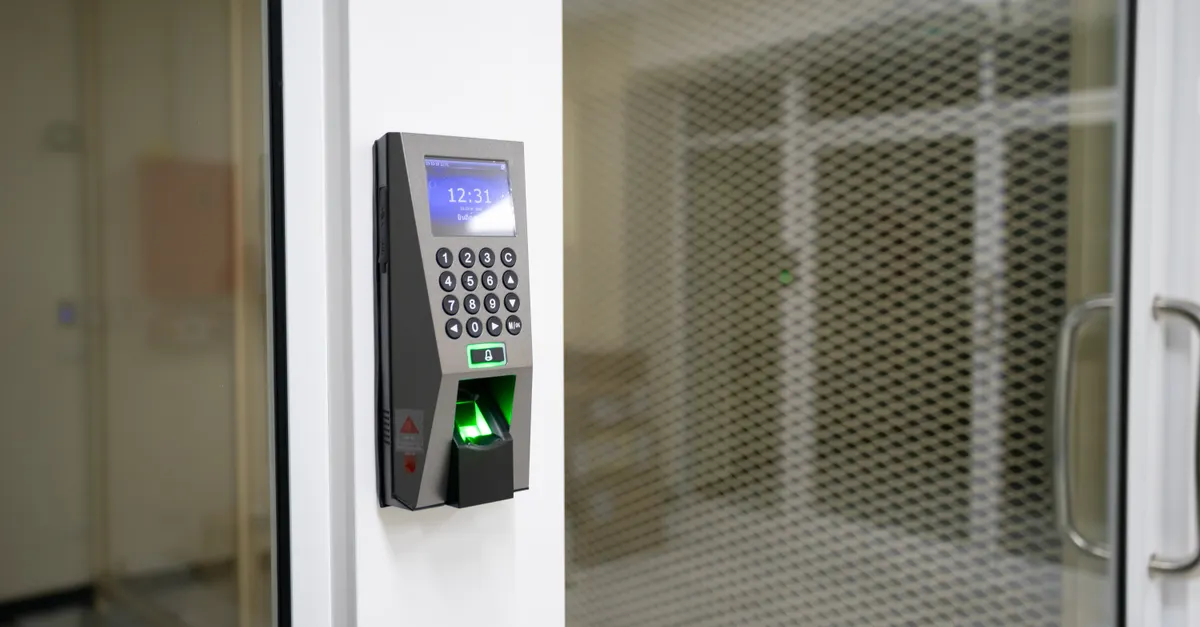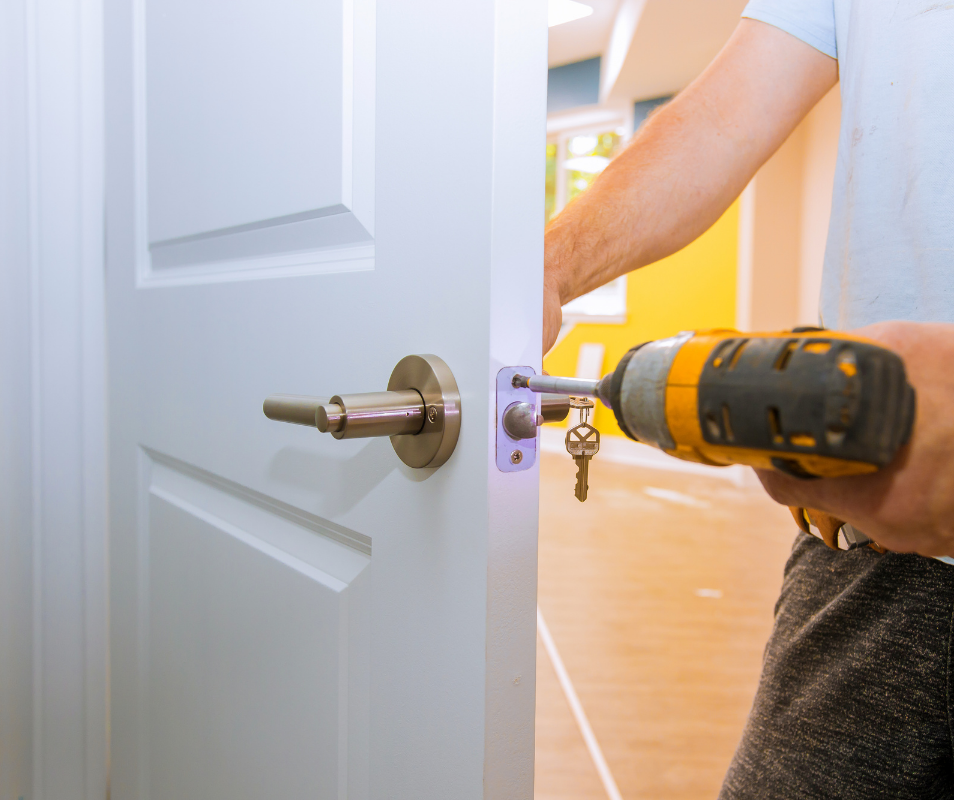
Coordinating security measures between locksmith services and alarm systems is essential for comprehensive property protection. As technology advances, the integration of physical locks with electronic alarms has become increasingly complex, requiring specialized knowledge and strict adherence to regulations. This guide explores how a licensed locksmith alarm system coordination approach ensures both compliance and optimal security outcomes for homes, businesses, and rental properties.
Whether you manage a commercial facility or oversee residential units, understanding how locksmiths and alarm technicians work together is crucial. Proper collaboration not only enhances safety but also streamlines maintenance and emergency response. For those interested in broader security compliance, our licensed locksmith compliance checklist offers additional insights into industry standards and best practices.
Understanding the Role of Licensed Locksmiths in Security Integration
A licensed locksmith brings more than just expertise in physical locks. Their training covers mechanical and electronic security, legal compliance, and the latest advancements in access control. When it comes to integrating with alarm systems, their responsibilities expand to include:
- Assessing compatibility between locks and alarm sensors
- Ensuring that lock installations do not interfere with alarm triggers
- Coordinating with alarm technicians for seamless system operation
- Maintaining compliance with local and national security regulations
The importance of working with a certified professional cannot be overstated. Licensing requirements vary by region, but they generally ensure that the locksmith has undergone background checks, formal training, and ongoing education. For a detailed breakdown of licensing regulations across different states, refer to this comprehensive guide to locksmith licensing requirements.
Key Elements of Effective Alarm and Lock Coordination
Successful alarm system and locksmith coordination relies on a few core principles. These include technical compatibility, clear communication, and a shared understanding of the property’s security needs.
Technical Integration Between Locks and Alarms
Many modern alarm systems use door and window sensors that must work in tandem with locking mechanisms. If a lock is installed incorrectly or is incompatible with the sensor, it can cause false alarms or leave entry points unprotected. A licensed locksmith will:
- Select lock hardware that complements the alarm system’s sensors
- Test the system after installation to confirm proper operation
- Provide recommendations for upgrades if existing locks are outdated
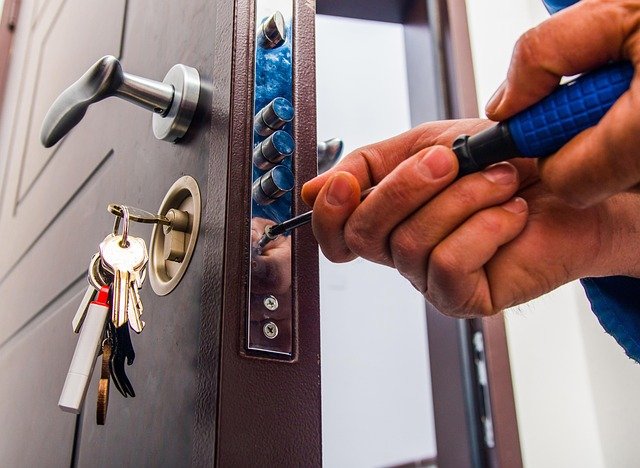
Communication and Collaboration with Alarm Technicians
Coordination is not just about hardware. It also involves effective communication between the locksmith and the alarm company. This ensures that both systems function as intended and that any changes to one component are reflected in the other. For example, if a lock is rekeyed or replaced, the alarm system may need to be recalibrated or reprogrammed.
Regulatory and Liability Considerations
Security professionals must adhere to strict legal and insurance requirements. Proper documentation and compliance help protect property owners from liability in the event of a security breach. For more on this topic, see our licensed locksmith liability coverage resource.
Best Practices for Coordinating Locksmith and Alarm Services
The most effective security strategies are proactive and collaborative. Here are some best practices for ensuring smooth coordination between locksmiths and alarm system providers:
- Plan Ahead: Before installing new locks or alarms, schedule a joint assessment with both professionals.
- Document Changes: Keep detailed records of all modifications to locks and alarm settings.
- Test Regularly: After any service, test the entire security system to verify that all components work together.
- Educate Occupants: Make sure tenants, employees, or family members understand how to operate both the locks and the alarm system.
- Review Compliance: Stay up to date with local regulations and insurance requirements to avoid legal issues.

Common Challenges and Solutions in Security System Integration
Even with careful planning, some issues can arise during the coordination of locksmith and alarm services. Here are a few common challenges and how to address them:
- Sensor Misalignment: If a new lock changes the way a door closes, alarm sensors may not align properly. Solution: Have the locksmith and alarm technician adjust and test the system together.
- Compatibility Issues: Older locks may not work with modern alarm sensors. Solution: Upgrade to compatible hardware recommended by a licensed professional.
- Communication Gaps: Lack of coordination can lead to missed steps or incomplete installations. Solution: Use written checklists and ensure both parties sign off on the work.
- Regulatory Non-Compliance: Failing to meet local codes can result in fines or insurance problems. Solution: Work only with licensed, insured professionals and stay informed about regulations.
Applications in Commercial and Residential Settings
The need for coordinated security is universal, but the approach may differ based on the property type. In commercial environments, integration often involves advanced access control systems, multiple entry points, and higher regulatory scrutiny. For more information on specialized commercial solutions, see our overview of licensed locksmith commercial door hardware services.
In residential and rental properties, the focus is often on balancing convenience with security. Landlords, for example, must ensure that locks and alarms are updated between tenants and that all systems comply with local laws. For a deeper dive into rental property security, our licensed locksmith for rental properties guide provides practical advice.
Maintaining and Upgrading Integrated Security Systems
Security needs change over time. Regular maintenance and periodic upgrades are essential to keep both locks and alarm systems functioning optimally. Here are some tips for ongoing care:
- Schedule annual inspections with both your locksmith and alarm provider
- Replace batteries and test sensors as recommended by the manufacturer
- Update access codes and rekey locks after staff or tenant changes
- Review your insurance policy to ensure coverage for all security upgrades
Proper documentation is also important. Keeping records of all service visits, upgrades, and compliance checks can simplify insurance claims and legal documentation if needed. For more on documentation standards, see our resource on licensed locksmith invoice standards.
FAQ: Locksmith and Alarm System Coordination
Why is it important to use a licensed locksmith for alarm system integration?
A licensed professional ensures that all work meets legal and insurance requirements. They have the expertise to integrate locks and alarms without compromising either system, reducing the risk of security breaches or compliance issues.
Can I upgrade my locks without affecting my alarm system?
Upgrading locks can impact alarm sensors and system calibration. It’s best to coordinate with both your locksmith and alarm provider to ensure compatibility and maintain full protection.
What should I do if my alarm system triggers false alarms after a lock change?
False alarms often result from sensor misalignment or compatibility issues. Contact both your locksmith and alarm technician to inspect and adjust the installation, ensuring all components work together as intended.
How often should integrated security systems be inspected?
Annual inspections are recommended, but more frequent checks may be necessary after major changes or incidents. Regular maintenance helps prevent malfunctions and ensures ongoing compliance.