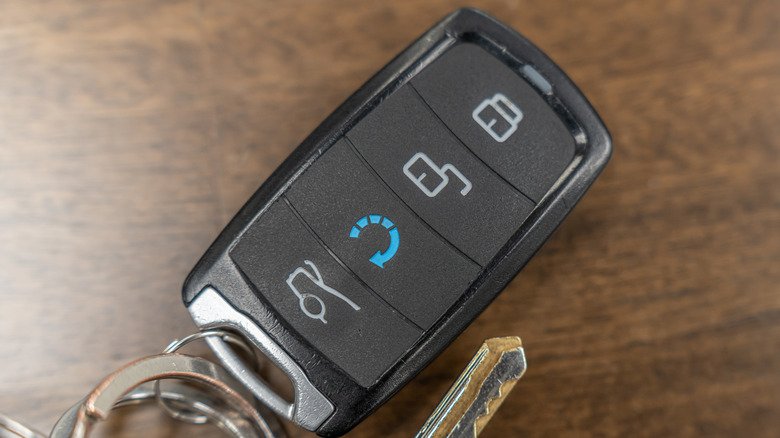
Losing your car keys or needing a spare can be stressful, especially with today’s advanced automotive security systems. If you find yourself in this situation, understanding how to get a replacement using your vehicle identification number (VIN) is essential. This guide explains the process, what information you’ll need, who can help, and how to avoid common pitfalls when seeking a VIN number key replacement.
Whether your car uses a traditional metal key, a transponder, or a smart fob, knowing how to navigate the replacement process can save you time and money. We’ll cover the steps involved, the types of professionals who can assist, and how to ensure you’re working with a reputable locksmith. If you’re dealing with insurance or documentation, you may also want to review the licensed locksmith documentation for insurance to streamline your claim.
Understanding the VIN and Its Role in Key Replacement
The vehicle identification number is a unique code assigned to every car, typically found on the dashboard near the windshield, the driver’s side door jamb, or in your vehicle’s registration documents. This code is crucial for obtaining a new key, as it allows locksmiths and dealerships to access the precise key specifications for your make and model.
When requesting a new key, you’ll need to provide the VIN along with proof of ownership, such as your registration or title and a valid photo ID. This ensures that only authorized individuals can request a replacement key using the VIN.
Who Can Provide a Replacement Key Using Your VIN?
There are two main sources for getting a new key based on your vehicle’s identification number:
- Authorized Car Dealerships: Dealerships have direct access to manufacturer databases and can cut and program new keys for most vehicles. However, this option is often more expensive and may require your car to be towed to their location.
- Licensed Locksmiths: Many professional locksmiths are equipped to handle VIN-based key replacement. They can often come to your location, cut a new key, and program it on-site, which is especially helpful in emergencies. To ensure you’re working with a reputable provider, consider reviewing the licensed locksmith service transparency rules.
Types of Car Keys and Replacement Considerations
Not all car keys are created equal. The type of key your vehicle uses will affect the replacement process, cost, and programming requirements. Common types include:
- Traditional Metal Keys: Simple to replace and usually don’t require programming.
- Transponder Keys: Contain a chip that communicates with your car’s ignition system. These require both cutting and programming.
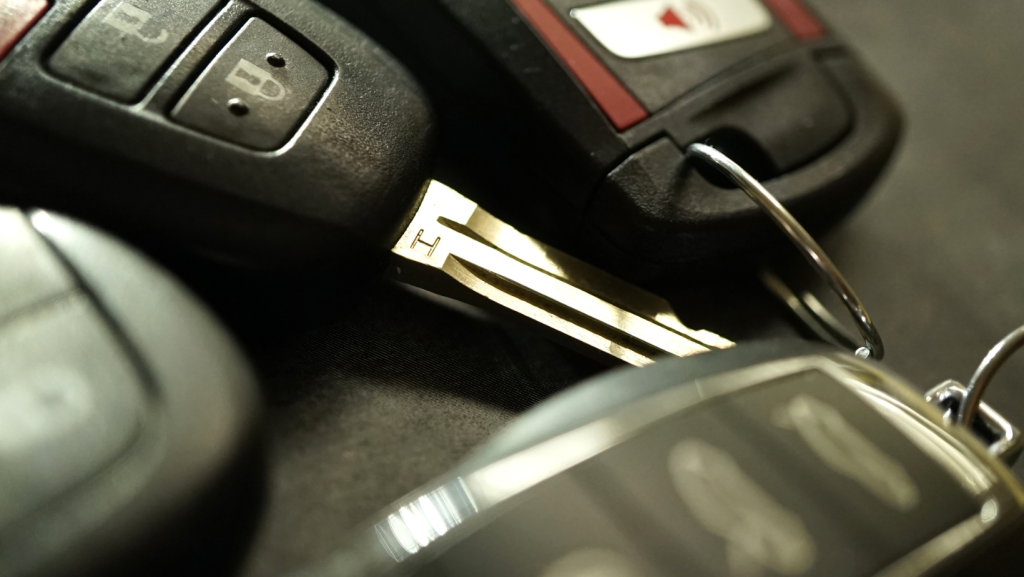
- Remote Key Fobs and Smart Keys: Offer keyless entry and push-button start. Replacement involves advanced programming and may require specialized equipment.
For a deeper dive into the different types of automotive keys and their features, check out this comprehensive guide to automotive keys.
How the VIN Number Key Replacement Process Works
Getting a new key using your vehicle’s identification number typically involves the following steps:
- Locate Your VIN: Find the 17-character code on your car or in your paperwork.
- Gather Proof of Ownership: Have your registration, title, and a photo ID ready.
- Contact a Locksmith or Dealership: Provide your VIN and documentation. A locksmith can often come to you, while a dealership may require you to visit their location.
- Key Cutting and Programming: The professional will use the VIN to access key codes, cut a new key, and program it to your vehicle’s security system.
- Test the New Key: Ensure the new key or fob works for both entry and ignition.
It’s important to note that some newer vehicles have advanced anti-theft systems that may require additional steps or authorization from the manufacturer. In such cases, working with a licensed locksmith experienced in VIN-based key replacement is especially valuable.
Costs and Factors Affecting VIN-Based Key Replacement
The price for a new key using your vehicle’s identification number can vary based on several factors:
- Type of Key: Traditional keys are less expensive than transponder or smart keys.
- Programming Requirements: Keys with electronic chips or remote functions require specialized programming, which adds to the cost.
- Service Provider: Dealerships generally charge more than independent locksmiths.
- Location and Urgency: Emergency or after-hours service may incur additional fees.
On average, a basic metal key may cost $50–$100, while a transponder or smart key can range from $150 to $400 or more. Always request a detailed quote before authorizing the work.

Tips for a Smooth Key Replacement Experience
- Verify Credentials: Always work with a licensed locksmith or authorized dealership to avoid scams and ensure your vehicle’s security.
- Prepare Documentation: Having your VIN, registration, and ID ready speeds up the process.
- Check Insurance Coverage: Some policies may cover lost or stolen keys. For more details, see the licensed locksmith insurance claim assistance guide.
- Keep a Spare Key: If possible, have a backup key made to avoid future emergencies.
Frequently Asked Questions
Can I get a replacement key without the original?
Yes, you can obtain a new key using your vehicle’s identification number and proof of ownership. A licensed locksmith or dealership can cut and program a new key even if you’ve lost all originals.
How long does it take to get a new key made from the VIN?
The timeframe varies depending on the type of key and the provider. Simple metal keys can often be made within an hour, while transponder or smart keys may take several hours or require a follow-up visit if special programming is needed.
Is it safe to give my VIN to a locksmith?
It is safe as long as you’re working with a reputable, licensed professional. The VIN is necessary for key replacement, but always verify the locksmith’s credentials and never share your information with unverified sources.
Will a new key work for both the doors and ignition?
Yes, a properly cut and programmed replacement will function for both entry and starting the vehicle, provided the locksmith or dealership has the correct key code and programming tools.
Conclusion
Navigating the process of getting a new car key using your vehicle’s identification number doesn’t have to be overwhelming. By understanding what’s involved, preparing the necessary documentation, and choosing a trustworthy provider, you can restore access to your vehicle quickly and securely. If you ever find yourself locked out or in need of a replacement, remember that professional locksmiths and dealerships are equipped to help—just be sure to verify their credentials and ask about all available options.