Modern vehicles rely heavily on remote entry systems, making key fobs an essential part of everyday convenience and security. When these small devices begin to fail, the impact can range from minor annoyances to unexpected lockouts. Recognizing the signs your key fob is dying can help you avoid frustrating situations and ensure your car remains accessible and secure.
This guide will walk you through the most common symptoms of a failing remote, what causes these issues, and how to address them. If you’re interested in understanding the broader context of locksmith services or want to ensure you’re working with a reputable provider, you may find the licensed locksmith service transparency rules helpful as well.
Common Symptoms of a Failing Remote
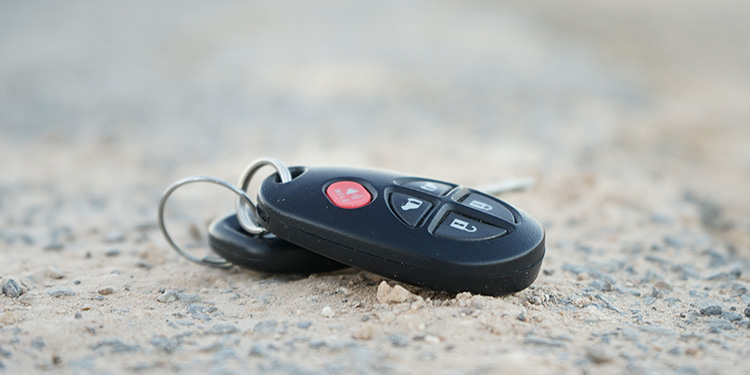
As technology advances, keyless entry systems have become more reliable, but no device lasts forever. Here are the most frequent indicators that your remote may be on its last legs:
- Intermittent Operation: If your car responds only sometimes when you press the buttons, this inconsistency is a classic sign of a dying remote.
- Reduced Range: When you need to stand closer to your vehicle than usual for the remote to work, the battery or internal circuitry may be weakening.
- Delayed Response: A noticeable lag between pressing a button and the car’s reaction can signal a problem with the transmitter or battery.
- Unresponsive Buttons: If certain buttons stop working while others still function, internal wear or damage could be to blame.
- Warning Lights: Some vehicles display dashboard alerts when the remote’s battery is low or the device is malfunctioning.
Why Key Fobs Fail: Understanding the Causes
Several factors can contribute to the gradual decline of your remote’s performance. The most common cause is a depleted battery, but other issues can also play a role:
- Battery Depletion: Most remotes use small coin-cell batteries that last 2–4 years. As the battery weakens, signal strength drops.
- Physical Damage: Dropping your remote, exposure to moisture, or general wear and tear can damage internal components.
- Electronic Failure: Circuit board issues or worn-out switches can prevent the device from sending signals properly.
- Signal Interference: Strong radio signals or electronic interference in your area may disrupt communication between your remote and vehicle.
How to Test If Your Remote Is Failing
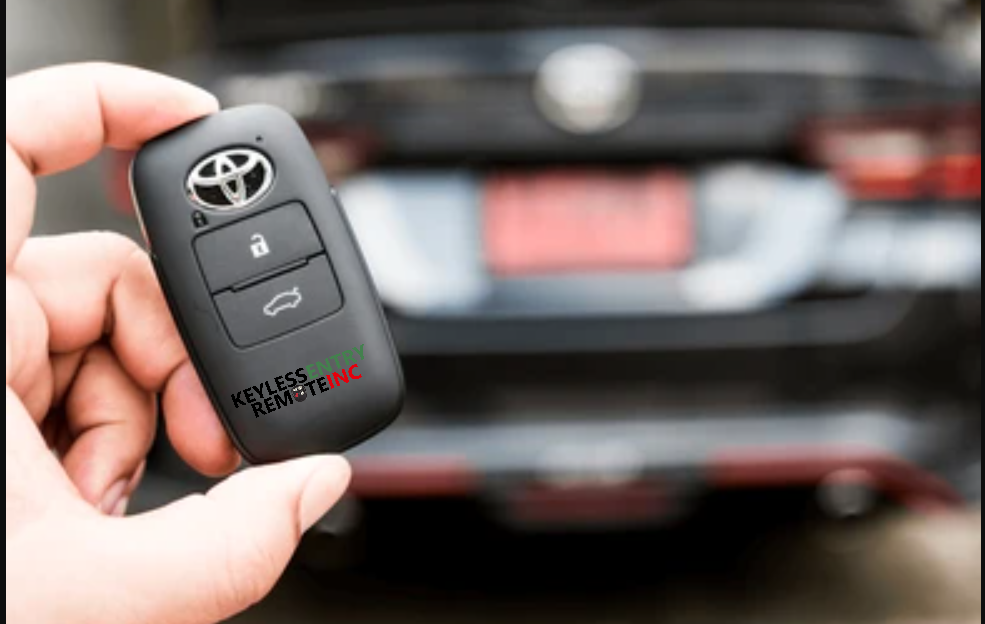
If you suspect your device is on its way out, there are a few simple steps you can take to confirm your suspicions:
- Replace the Battery: Swap in a fresh battery and see if performance improves. If not, the issue likely lies elsewhere.
- Try a Spare: If you have a backup remote, test it. If the spare works perfectly, your main remote may be failing.
- Check for Physical Damage: Inspect the device for cracks, corrosion, or water intrusion.
- Consult Your Vehicle Manual: Some cars allow you to test or reprogram remotes using built-in diagnostics.
If these steps don’t resolve the issue, it may be time to seek professional help or consider a replacement.
What to Do When Your Remote Stops Working
When your remote is no longer reliable, prompt action is important to avoid being locked out or stranded. Here’s what you should do:
- Replace the Battery: This is often the quickest and least expensive fix.
- Get a Professional Diagnosis: A locksmith or dealership can test the device and determine if it needs reprogramming or replacement.
- Order a New Remote: If the device is beyond repair, purchase a compatible replacement and have it programmed to your vehicle.
- Keep a Spare: Always have a backup remote or mechanical key available in case of emergencies.
For a comprehensive overview of car key types and troubleshooting, you might find the definitive guide to car keys especially helpful.

Preventing Remote Failure in the Future
While no device lasts forever, you can extend the life of your remote with some simple habits:
- Avoid Dropping: Physical shocks can damage internal components.
- Keep It Dry: Moisture is a common cause of circuit failure.
- Replace Batteries Regularly: Don’t wait for complete failure—swap batteries every 2–3 years.
- Store a Spare Safely: Keep a backup in a secure, accessible location.
If you’re interested in broader security and preparedness topics, the licensed locksmith emergency preparedness guide offers practical tips for safeguarding your property.
Frequently Asked Questions
How long do key fob batteries typically last?
Most remote batteries last between two and four years, depending on usage and environmental factors. If you notice reduced range or inconsistent operation, it’s a good idea to replace the battery even if it hasn’t reached the end of its expected life.
Can a locksmith replace or reprogram my remote?
Yes, many professional locksmiths can replace batteries, diagnose issues, and program new remotes for most vehicle makes and models. This can be a more convenient and cost-effective alternative to visiting a dealership.
What should I do if my remote stops working and I’m locked out?
If you find yourself locked out due to a non-working remote, contact a trusted locksmith for emergency assistance. Many offer 24/7 services to help you regain access quickly and safely.
Is it safe to buy replacement remotes online?
Purchasing replacements online can be safe if you ensure compatibility with your vehicle and buy from reputable sellers. However, programming may still require a professional, and quality can vary, so research your options carefully.
Conclusion
Being aware of the signs your key fob is dying can save you time, money, and frustration. By acting early—whether it’s replacing a battery, seeking professional help, or keeping a backup on hand—you can avoid unexpected lockouts and keep your vehicle secure. For more information on insurance claims or documentation related to locksmith services, resources like the licensed locksmith documentation for insurance are available to help you navigate the process with confidence.