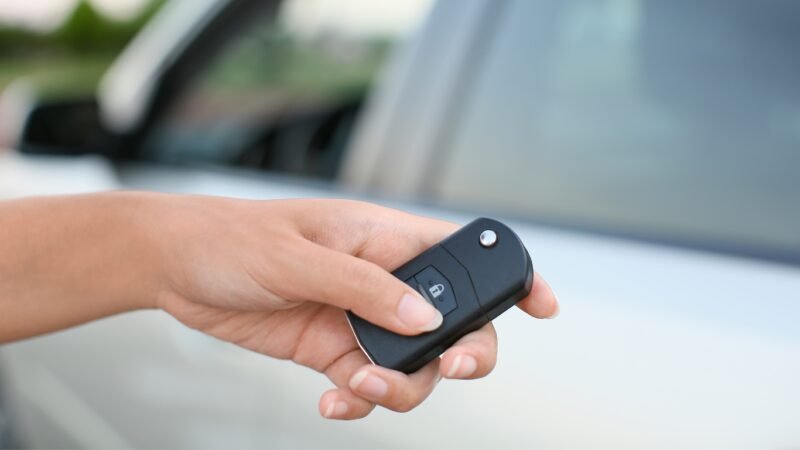
Modern car key fobs have made vehicle access and security more convenient than ever, but they also introduce new challenges for drivers. Many people are unaware of the common pitfalls associated with these devices, which can lead to unexpected expenses, lockouts, or even security risks. Understanding the top key fob mistakes drivers make is essential for anyone who relies on remote entry or push-to-start systems.
Whether you’ve just purchased a new vehicle or have been using a keyless entry system for years, it’s easy to overlook small habits that can cause big problems. By learning about these frequent errors and how to avoid them, you can extend the life of your key fob, reduce the risk of being stranded, and keep your vehicle secure. For those interested in the broader context of locksmith services and best practices, you can also explore the licensed locksmith service transparency rules to ensure you’re making informed decisions.
Neglecting Battery Replacement in Key Fobs
One of the most frequent issues drivers encounter is ignoring the battery life of their key fobs. Many people assume these batteries last indefinitely, but most need replacement every one to two years depending on usage. When the battery weakens, you may notice reduced range, intermittent operation, or complete failure to unlock or start your vehicle.
- Warning signs include having to press buttons multiple times or needing to be closer to the car for the fob to work.
- Delaying battery replacement can lead to being locked out or unable to start your car, especially in emergencies.
- Always keep a spare battery in your glove compartment or at home for quick replacement.
Regularly checking your key fob’s battery and replacing it at the first sign of trouble is a simple way to avoid unnecessary inconvenience. If you’re unsure about the correct battery type or how to replace it, consult your vehicle’s manual or ask a professional locksmith.
Exposing Key Fobs to Water and Physical Damage
Another major oversight is failing to protect key fobs from water, drops, and other physical hazards. While some modern fobs are designed to be water-resistant, most are not waterproof. Accidental exposure to rain, washing machines, or even high humidity can cause internal corrosion and malfunction.
- Never leave your key fob in your pocket when doing laundry.
- Avoid placing it on wet surfaces or exposing it to extreme temperatures.
- Use a protective cover or case to help shield against drops and impacts.
If your fob does get wet, remove the battery immediately and let it dry thoroughly before attempting to use it again. In many cases, water damage is irreversible, and a replacement may be necessary.
Forgetting to Program Spare Key Fobs
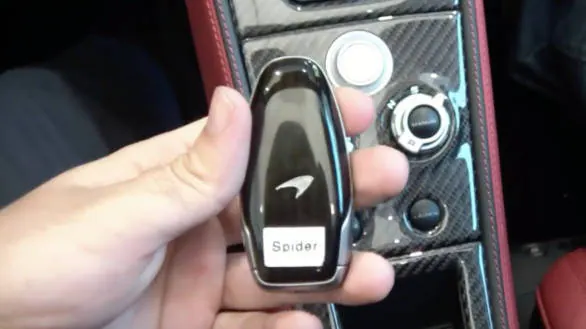
Many drivers purchase a spare key fob but never get around to programming it to their vehicle. This oversight often becomes apparent only when the primary fob is lost or fails, leaving the driver stranded. Most vehicles require all fobs to be programmed at the same time, and some models may even erase old fobs during the process.
- Always program spare fobs immediately after purchase.
- Store backup fobs in a safe, accessible location outside your vehicle.
- Consult your car’s manual or a locksmith for programming instructions.
Having a properly programmed spare can save you from costly towing or emergency locksmith fees. For more on the types of car keys and their programming, you can read this comprehensive guide to car key types and programming.
Leaving Key Fobs Inside the Vehicle
With the convenience of push-to-start systems, it’s easy to accidentally leave your key fob inside the car. Some vehicles will not lock if the fob is detected inside, but not all systems are foolproof. This mistake can result in accidental lockouts or, worse, make your car an easy target for theft.
- Always double-check that you have your key fob before closing the doors.
- Do not leave spare fobs inside the vehicle, even if you think it’s secure.
- Be mindful of where you place your fob when loading groceries or luggage.
Developing a habit of checking for your key fob before exiting the car can help prevent frustrating lockouts and security risks.
Ignoring Security Risks and Signal Hacking
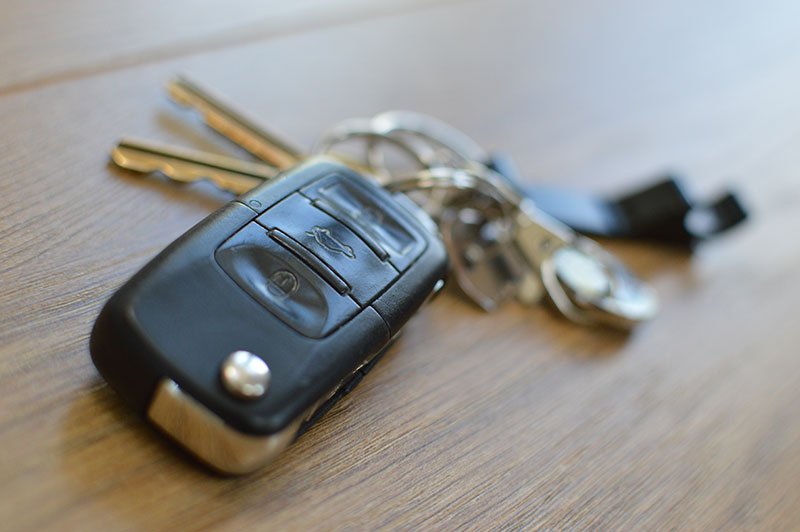
As keyless entry systems become more advanced, so do the methods thieves use to bypass them. Relay attacks and signal amplification can allow criminals to unlock and start your car without ever touching your key fob. Many drivers are unaware of these risks and do not take simple precautions to protect themselves.
- Store your key fob in a signal-blocking pouch or metal container when not in use.
- Do not leave your fob near doors or windows at home, where signals can be intercepted.
- Consider disabling passive entry features if your vehicle allows it.
Staying informed about the latest security threats and taking proactive steps can help keep your vehicle safe from high-tech theft methods.
Misplacing or Losing Key Fobs Frequently
Losing your key fob is not just inconvenient—it can be expensive to replace and reprogram. Many drivers underestimate how easily these devices can be misplaced, especially since they are small and often carried separately from other keys.
- Designate a specific spot at home and work for your key fob.
- Attach a Bluetooth tracker to your fob for easy location if misplaced.
- Keep a record of your fob’s serial number and programming details for reference.
Taking these precautions can save you time, money, and stress if your key fob ever goes missing.
Failing to Seek Professional Help When Needed
Attempting DIY repairs or programming without proper knowledge can lead to further damage or render your key fob unusable. While some issues are simple to fix, others require specialized tools and expertise.
- If your fob stops working after battery replacement, consult a professional locksmith or your dealership.
- Do not attempt to open or reprogram your fob unless you are confident in the process.
- Professional help can often save you money in the long run by avoiding costly mistakes.
For those interested in preparing for emergencies, the licensed locksmith emergency preparedness guide offers practical advice on handling lockouts and other urgent situations.
Frequently Asked Questions
How often should I replace my key fob battery?
Most key fob batteries last between one and two years, depending on usage. If you notice reduced range or intermittent operation, replace the battery as soon as possible to avoid being locked out or stranded.
Can I program a spare key fob myself?
Some vehicles allow owners to program spare fobs using instructions in the owner’s manual, but many require specialized equipment. If you’re unsure, it’s best to consult a professional locksmith or your dealership.
What should I do if my key fob gets wet?
Remove the battery immediately and let the fob dry completely before attempting to use it. If it still doesn’t work, you may need a replacement. Avoid exposing your fob to water whenever possible.