
Trust is a cornerstone of the locksmith profession. When you hand over the keys to your home, business, or vehicle, you expect the person helping you to be both skilled and trustworthy. That’s why licensed locksmith background check requirements are so important. These checks help ensure that only qualified, reliable individuals are allowed to work in this sensitive field. Understanding how these requirements work, what they involve, and why they matter is crucial for both aspiring locksmiths and anyone looking to hire one.
In this article, we’ll break down the essentials of background screening for locksmith licensing, explore the typical steps involved, and address common questions about the process. If you’re interested in related topics such as licensed locksmith service transparency rules, you’ll find valuable context here as well.
Why Background Checks Matter in Locksmith Licensing
Locksmiths have unique access to private property and security systems. This level of access creates a need for strict oversight. Background checks for locksmiths are designed to protect the public by screening out individuals with criminal histories or other red flags that could pose a risk. These checks are not just a formality—they are a legal and ethical safeguard.
Many states and local governments have put regulations in place to ensure that locksmiths meet high standards. These rules help prevent fraud, theft, and other crimes that could be committed by someone with ill intent. For consumers, knowing that a locksmith has passed a rigorous background check provides peace of mind.
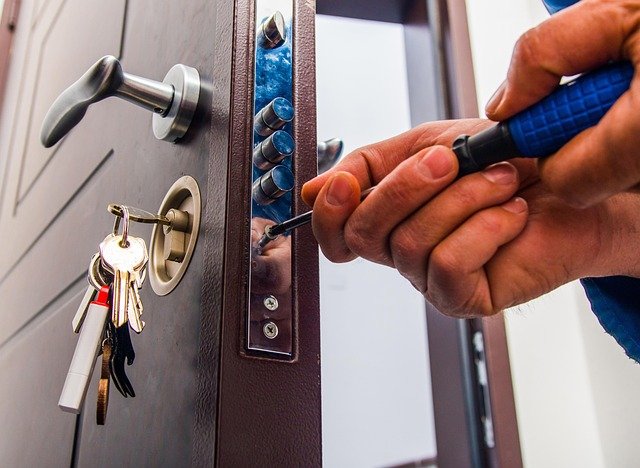
Key Elements of Locksmith Screening Procedures
The process for vetting locksmiths varies by region, but most licensing authorities require a comprehensive review of the applicant’s background. Here are the most common elements included in locksmith background check requirements:
- Criminal History Check: Authorities typically review local, state, and federal criminal records. Felony convictions, especially those related to theft, burglary, or fraud, can disqualify an applicant.
- Fingerprinting: Many licensing boards require fingerprint submissions to verify identity and cross-check against criminal databases.
- Verification of Identity: Applicants must provide valid identification, such as a driver’s license or passport, to confirm their identity.
- Employment and Education Verification: Some regions require proof of locksmith training, apprenticeship, or prior work experience.
- Reference Checks: Personal or professional references may be contacted to vouch for the applicant’s character and reliability.
The specific requirements can differ significantly from one jurisdiction to another. For a detailed breakdown by state, consult resources like the complete guide to locksmith licensing requirements by state.
How States and Localities Differ in Their Standards
There is no single national standard for licensed locksmith background check requirements. Instead, each state—and sometimes even individual cities or counties—sets its own rules. Some areas have very strict regulations, while others have minimal or no licensing at all.
For example, states like California, Texas, and Illinois have comprehensive licensing programs that include background checks, fingerprinting, and ongoing education. In contrast, other states may only require a business license, with no criminal screening. This patchwork of regulations means it’s important for both locksmiths and consumers to understand the rules in their specific area.
If you are considering a career in this field or need to hire a locksmith, always check local licensing requirements. You can also review related resources such as the licensed locksmith insurance claim assistance guide for more on professional standards.

What Applicants Should Expect During the Screening Process
If you are applying for a locksmith license, it’s helpful to know what to expect. The screening process typically involves:
- Submitting a completed application with personal and professional details.
- Providing fingerprints and undergoing a criminal background check.
- Supplying documentation of training, certification, or apprenticeship if required.
- Paying any applicable fees for processing and background screening.
- Waiting for the licensing authority to review your application and make a determination.
The timeline for approval can range from a few days to several weeks, depending on the jurisdiction and the complexity of the applicant’s background. If any issues arise—such as a past conviction—applicants may be asked to provide additional information or documentation.
Maintaining Compliance After Licensing
Passing the initial background check is only part of the process. Many regions require locksmiths to renew their licenses periodically, which may involve updated background screenings. This ongoing oversight helps ensure that license holders continue to meet professional and ethical standards.
In addition, locksmiths are often required to display their license number on business cards, vehicles, and advertisements. This transparency allows consumers to verify credentials and report any concerns to the appropriate authorities. For more on maintaining professional standards, see the licensed locksmith documentation for insurance article.
Common Challenges and Tips for Applicants
Navigating background check requirements for locksmiths can be straightforward for most applicants, but challenges do arise. Here are a few tips for a smooth process:
- Be Honest: Disclose any past convictions or issues up front. Attempting to hide information can lead to automatic disqualification.
- Gather Documentation: Have all required documents ready before applying, including proof of training and identification.
- Check Local Rules: Requirements can change, so verify the latest regulations with your local licensing board.
- Stay Current: Keep your license and background check up to date, especially if you move or expand your business to a new area.
If you are interested in expanding your locksmith business, you may also want to review the licensed locksmith franchise opportunities guide for additional insights.
Frequently Asked Questions
What types of criminal convictions can disqualify a locksmith license application?
Most licensing authorities will deny applications from individuals with felony convictions related to theft, burglary, fraud, or violent crimes. Some regions may also consider recent misdemeanors or crimes involving dishonesty. Each jurisdiction sets its own standards, so it’s important to check local rules.
Do all states require background checks for locksmiths?
No, not all states have mandatory background screening for locksmiths. While many states and cities have strict requirements, others have minimal or no licensing at all. Always verify the rules in your area before applying or hiring a locksmith.
How often do locksmiths need to renew their background checks?
Renewal periods vary by jurisdiction. Some areas require annual license renewals with updated background checks, while others may only require screening every few years. Staying compliant with renewal requirements is essential for maintaining a valid license.
Is fingerprinting always required for locksmith licensing?
Fingerprinting is a common requirement in many states, but not all. It is typically used to verify identity and check for criminal records at the state and federal level. Check with your local licensing board to see if fingerprinting is part of the process in your area.
Conclusion
The process of vetting locksmiths through background checks is a critical safeguard for both the public and the profession. By understanding the typical requirements, staying informed about local regulations, and maintaining compliance, locksmiths can build trust and credibility in their communities. For consumers, verifying that a locksmith has met all licensing and screening standards is the best way to ensure safety and peace of mind.
For more information on emergency preparedness and best practices in the industry, you can explore the licensed locksmith emergency preparedness guide.