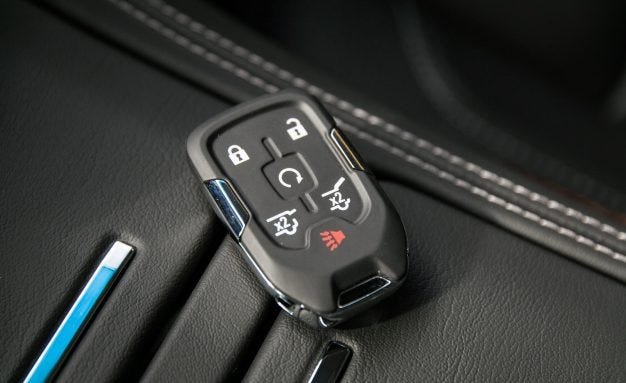
The way drivers unlock and start their vehicles has changed dramatically in recent years. Traditional metal keys are quickly being replaced by advanced electronic solutions that offer greater convenience and security. Two of the most prominent technologies powering this transformation are Near Field Communication (NFC) and Radio Frequency Identification (RFID). Understanding the differences between these systems is essential for anyone interested in the future of automotive access and security.
In this article, we’ll break down how these two technologies work, their advantages and drawbacks, and what they mean for drivers, automakers, and locksmiths. If you’re considering upgrading your vehicle’s entry system or simply want to stay informed about the latest trends, this guide will help you make sense of the NFC vs RFID for car access debate.
For those interested in the regulatory and insurance aspects of vehicle security, it’s worth reviewing the licensed locksmith service transparency rules to ensure your car access solution meets all requirements.
Understanding the Technologies Behind Keyless Entry
Both NFC and RFID are wireless communication technologies that allow devices to exchange data without physical contact. However, they operate in distinct ways and serve different use cases in automotive security.
How RFID Works in Automotive Applications
RFID uses electromagnetic fields to automatically identify and track tags attached to objects. In the context of vehicle access, RFID chips are embedded in key fobs or cards. When the tag comes within range of a reader—usually installed in the car door or ignition—the system authenticates the signal and grants access.
- Passive RFID: Most car systems use passive RFID, which relies on the reader to power the tag. This allows for a lightweight, battery-free design.
- Active RFID: Less common in cars, active RFID tags have their own power source and can transmit signals over longer distances.
RFID-based systems have been the backbone of keyless entry and push-button start features for years. Their reliability and cost-effectiveness make them a popular choice for many automakers.
What Sets NFC Apart?
NFC is a subset of RFID technology, but it operates at a much shorter range—typically less than 4 centimeters. This close-proximity requirement adds an extra layer of security, as the device (such as a smartphone or smart card) must be held very near the reader to function.
In automotive settings, NFC is increasingly used for digital keys. Drivers can unlock and start their vehicles using their smartphones or wearable devices, often through a secure app. This approach offers enhanced flexibility and integration with other digital services.
Comparing Security Features: Which Is Safer?
Security is a top concern for any vehicle access system. Both NFC and RFID offer robust protection, but there are important differences to consider.
RFID Security Considerations
While RFID technology is generally secure, it is not immune to vulnerabilities. Relay attacks, where criminals intercept and relay signals between the car and the key fob, have been used to gain unauthorized access to vehicles. Some advanced RFID systems now use rolling codes or encrypted communication to combat these threats.
NFC’s Security Advantages
NFC’s requirement for close proximity makes it more resistant to certain types of attacks. Additionally, NFC-enabled digital keys often leverage the security features of smartphones, such as biometric authentication and encrypted storage. This multi-layered approach can provide a higher level of protection compared to traditional RFID fobs.
Convenience and User Experience: What Drivers Can Expect
The user experience is a major factor when choosing between these two technologies. Both offer keyless convenience, but their operation differs in subtle ways.
Everyday Use: RFID Key Fobs vs NFC Digital Keys
RFID key fobs are familiar to most drivers. They allow for quick, hands-free entry and ignition—just approach the car with the fob in your pocket or bag. However, if the fob’s battery dies or is lost, access can become an issue.
NFC digital keys, on the other hand, turn your smartphone or wearable into the key. This means fewer physical items to carry and the ability to share temporary access with others via an app. However, this convenience depends on your device’s battery life and compatibility with your vehicle.
Implementation and Compatibility in Modern Vehicles
Automakers are increasingly adopting both RFID and NFC-based systems, sometimes offering both options in the same vehicle. Luxury brands tend to lead the way in integrating smartphone-based access, while mainstream models often stick with proven RFID fobs.
For a deeper look at how different types of car keys function and their evolution, check out this comprehensive guide to car key technologies.
Upgrading or Replacing Your Car’s Access System
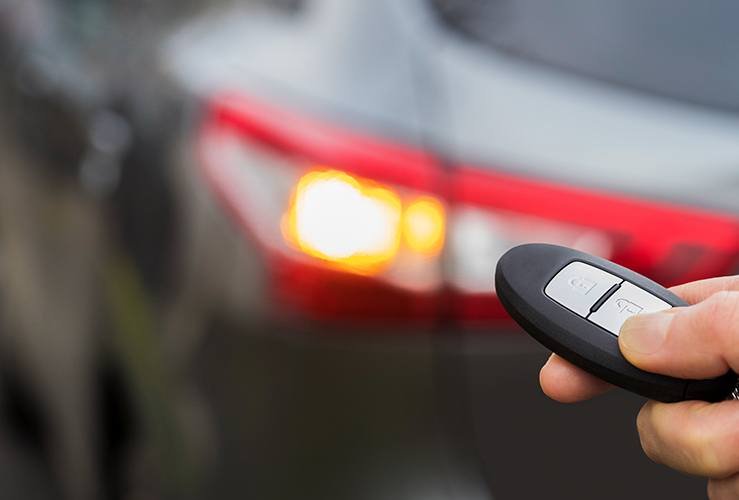
If you’re considering an upgrade, consult your vehicle’s manufacturer or a professional locksmith to determine compatibility. Some aftermarket solutions allow older vehicles to adopt NFC or advanced RFID entry systems, but installation and programming should be handled by experts.
For those dealing with insurance claims or documentation related to car access technology, resources like the licensed locksmith documentation for insurance can provide valuable guidance.
Cost, Maintenance, and Future Trends
The cost of implementing these technologies varies. RFID fobs are generally less expensive to replace, while NFC-based systems may involve higher upfront costs due to their integration with smartphones and apps. However, the added convenience and security features often justify the investment for many drivers.
Looking ahead, the automotive industry is moving toward more connected, digital-first experiences. As vehicles become smarter, expect to see increased adoption of NFC digital keys, remote access features, and even integration with smart home systems.
FAQ: Common Questions About NFC and RFID Car Entry
Can I use my smartphone as a car key with both NFC and RFID systems?
Most smartphone-based car keys use NFC technology, as it allows for secure, close-range communication. While some RFID systems can be paired with mobile devices, true digital key functionality typically requires NFC support in both the phone and the vehicle.
Which technology is more secure for vehicle access?
Both offer strong protection, but NFC’s short-range operation and integration with smartphone security features (like biometrics) provide an extra layer of defense against unauthorized access.
What happens if I lose my RFID fob or my phone with an NFC key?
If you lose an RFID fob, you’ll need a replacement programmed by your dealer or locksmith. For NFC digital keys, you can often disable access remotely and set up a new device through your automaker’s app or customer support.
Conclusion: Choosing the Right Access Solution
Deciding between RFID and NFC for your vehicle’s entry system depends on your priorities. RFID remains a reliable, widely adopted solution, while NFC offers enhanced security and the convenience of smartphone integration. As technology continues to evolve, drivers can expect even more seamless and secure ways to access and start their cars.
For emergency situations or if you need expert assistance with your vehicle’s access system, don’t hesitate to reach out to a professional. Staying informed and choosing the right technology will help ensure your car remains both accessible and secure in the years ahead.