Ensuring accessibility in commercial and public spaces is not just a legal requirement—it’s a commitment to inclusivity and safety for everyone. Licensed locksmith ADA compliance services play a crucial role in helping property owners, facility managers, and business operators meet the standards set by the Americans with Disabilities Act (ADA). These specialized services focus on making entryways, locks, and security hardware accessible to individuals with disabilities, reducing barriers and supporting legal compliance.
In this article, we’ll explore what ADA compliance means for locks and door hardware, the scope of professional locksmith services in this area, and how to choose the right provider. For those managing properties with additional regulatory needs, you may also find value in our guide on licensed locksmith HOA requirements.

Understanding ADA Requirements for Door Hardware
The ADA sets out clear standards for accessibility in buildings open to the public. For entryways and doors, this means that handles, locks, and other hardware must be operable with one hand and not require tight grasping, pinching, or twisting of the wrist. The hardware should be mounted at a height that is accessible to people using wheelchairs or those with limited mobility.
- Lever-style handles are preferred over knobs.
- Locks must be easy to operate without excessive force.
- Automatic door openers and push/pull hardware may be required in certain settings.
Non-compliance can result in legal action, fines, and—most importantly—exclusion of individuals with disabilities from accessing your premises. That’s why working with a licensed locksmith familiar with ADA compliance is essential for any business or property owner.
What Do Licensed Locksmith ADA Compliance Services Include?
Professional locksmiths offering ADA-focused solutions provide a range of services designed to upgrade, retrofit, or maintain door hardware to meet accessibility standards. Here are some of the most common offerings:
- ADA-compliant hardware installation: Replacing outdated locks and handles with lever-style or push/pull models that meet ADA requirements.
- Door closer and opener adjustments: Ensuring that doors can be opened with minimal force and close automatically at a safe speed.
- Consultation and compliance audits: Assessing your property for potential accessibility issues and recommending solutions.
- Emergency repairs: Fast response to fix or replace non-compliant or malfunctioning hardware.
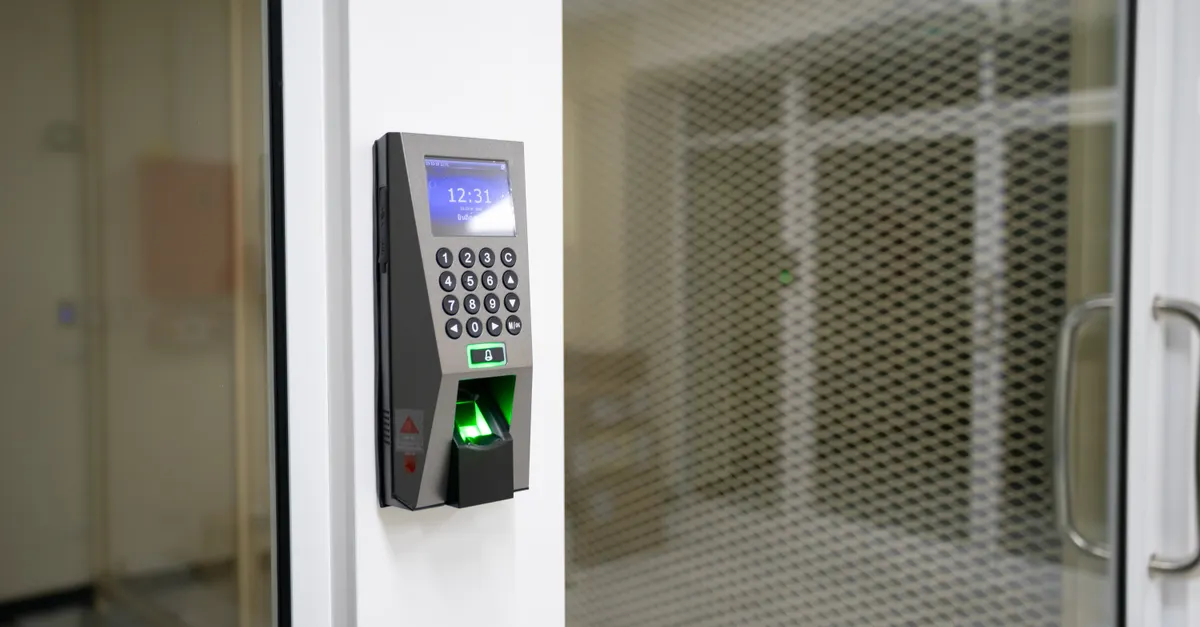
- Keyless entry systems: Installing touchless or electronic access systems that are easier for people with disabilities to use.
Benefits of Working with a Licensed Locksmith for ADA Compliance
Choosing a qualified professional for your accessibility upgrades offers several advantages:
- Expertise in regulations: Licensed locksmiths stay up-to-date with ADA standards and local building codes, ensuring your property meets all requirements.
- Quality assurance: Proper installation and maintenance reduce the risk of future compliance issues or costly repairs.
- Customized solutions: Every building is unique, and a skilled locksmith can recommend hardware and systems tailored to your needs.
- Documentation: Many providers offer detailed reports and invoices, which can be useful for inspections or legal documentation. For more on this, see our article on licensed locksmith invoice standards.
How to Choose the Right ADA Compliance Locksmith Service
Not all locksmiths are equally qualified to handle accessibility upgrades. When selecting a provider, consider the following:
- Licensing and insurance: Always verify that the locksmith is properly licensed and insured in your state or locality.
- Experience with ADA projects: Ask about previous work on accessibility upgrades and request references if needed.
- Scope of services: Ensure the provider can handle both installation and ongoing maintenance.
- Transparent pricing: Request a detailed quote and ask about any potential additional costs.
- Emergency support: Accessibility issues can arise unexpectedly. Choose a locksmith who offers emergency locksmith services for urgent repairs.
Common ADA Compliance Issues with Door Hardware
Many older buildings still have hardware that does not meet current accessibility standards. Here are some frequent problems addressed by licensed locksmith ADA compliance services:
- Round doorknobs: Difficult for individuals with limited hand strength or dexterity.
- High-mounted locks: Placed out of reach for wheelchair users.
- Heavy doors: Require excessive force to open, violating ADA guidelines.
- Non-compliant exit devices: Panic bars or push pads that are hard to operate.
- Lack of tactile signage: Missing or inadequate Braille or raised-letter signage on doors.
Addressing these issues not only ensures legal compliance but also demonstrates a commitment to accessibility and customer care.
Integrating ADA Compliance with Broader Property Management
ADA accessibility is just one aspect of overall property compliance. Many property managers and owners must also consider HOA rules, insurance requirements, and other regulatory standards. For a comprehensive approach, see our licensed locksmith compliance checklist and our resource on licensed locksmith liability coverage.
Working with a locksmith who understands these overlapping requirements can help streamline upgrades and avoid costly mistakes.
Frequently Asked Questions
What makes a lock or door handle ADA compliant?
To meet ADA standards, door hardware must be operable with one hand and should not require tight grasping, pinching, or twisting of the wrist. Lever handles, push/pull bars, and certain electronic access systems are commonly used to achieve compliance.
Do all businesses need to upgrade their locks for ADA compliance?
Most public-facing businesses and commercial properties are required by law to provide accessible entryways. If your building is open to the public or serves as a workplace, you should assess your doors and hardware for compliance and make upgrades as needed.
How often should ADA-compliant hardware be inspected or maintained?
Regular maintenance is recommended to ensure ongoing compliance and functionality. Many businesses schedule annual inspections with a licensed locksmith to check for wear, damage, or changes in regulations that may require updates.