The evolution of car key fobs reflects major changes in both automotive technology and consumer expectations. What began as simple mechanical devices has transformed into sophisticated, multi-functional tools that combine security, convenience, and style. Understanding how automakers design key fobs today reveals the interplay between engineering, user experience, and security innovation.
Modern vehicle access systems are no longer just about unlocking doors or starting engines. They now integrate advanced electronics, wireless communication, and ergonomic design to deliver seamless interaction between drivers and their vehicles. As automakers respond to new security threats and user demands, the process of creating these compact devices has become a fascinating blend of hardware, software, and design thinking.

For those interested in the regulatory and practical aspects of vehicle security, it’s worth exploring the licensed locksmith service transparency rules that impact how replacement and programming services are provided.
Key Fob Design: Balancing Security, Usability, and Style
The process of developing a modern car key fob involves much more than just electronics. Automakers must consider a range of factors, including security protocols, user interface, durability, and even brand identity. The design journey typically starts with an assessment of the vehicle’s security requirements and the features drivers expect.
- Security: Protecting against theft and unauthorized access is paramount. This means integrating encrypted communication, rolling codes, and sometimes biometric authentication.
- Usability: Key fobs must be intuitive and comfortable to use, with buttons that are easy to find and press, even in low light or with gloves.
- Durability: Since these devices are handled daily and exposed to drops, moisture, and temperature changes, robust materials and water-resistant construction are essential.
- Branding: The look and feel of a key fob often reflect the automaker’s identity, with distinctive shapes, logos, and finishes.
Technology Behind Modern Vehicle Access Devices
The shift from mechanical keys to electronic fobs has introduced a host of new technologies. Today’s devices often include:
- Radio Frequency Identification (RFID): Enables proximity-based unlocking and push-button start systems.
- Encrypted Transponders: Prevents cloning and replay attacks by changing codes with every use.
- Near Field Communication (NFC) and Bluetoooth Low Energy (BLE): Some premium vehicles allow smartphones to function as digital keys.
- Integrated Displays: High-end models may feature small screens for status updates or remote commands.
For a deeper look at the different types of car keys and their underlying technologies, see this comprehensive guide to car key types.
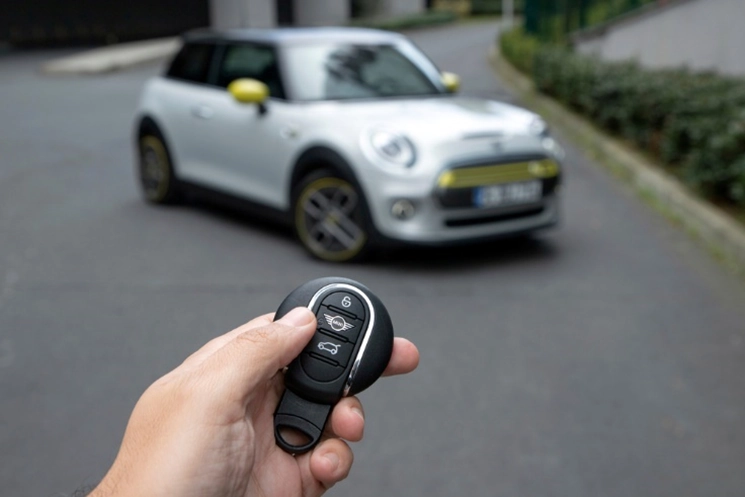
Steps in the Development of Car Key Fobs
The path from concept to finished product involves several key stages. Here’s how the process typically unfolds:
- Requirements Gathering: Engineers and designers collaborate to define the essential features, such as remote entry, trunk release, panic alarm, and compatibility with digital systems.
- Prototyping: Initial models are created using 3D modeling and rapid prototyping tools. This allows for ergonomic testing and refinement of button placement and tactile feedback.
- Security Integration: Specialists implement cryptographic protocols and test for vulnerabilities, ensuring the device resists hacking and unauthorized duplication.
- Material Selection: Choices are made for plastics, rubber, and metal components to balance weight, strength, and aesthetics.
- User Testing: Real-world scenarios are simulated to check ease of use, durability, and resistance to environmental factors.
- Manufacturing and Quality Control: Once finalized, the design moves to mass production, with rigorous testing to ensure consistency and reliability.
Security Innovations in Key Fob Design
As car theft techniques have evolved, so too have the security measures built into key fobs. Rolling code systems, which generate a new code each time the fob is used, have become standard. Some manufacturers now use ultra-wideband (UWB) technology to prevent relay attacks, where thieves try to extend the signal from a fob inside a home to unlock a car parked outside.
Advanced models may also incorporate motion sensors that deactivate the fob when it’s stationary for a certain period, reducing the risk of signal interception. These innovations are crucial in maintaining trust and safety for vehicle owners.

Customization and Future Trends in Vehicle Access
Personalization is becoming a major focus in the automotive world. Some brands now offer customizable key fobs, allowing owners to select colors, materials, or even engrave their initials. Meanwhile, the rise of digital keys—where smartphones or wearables replace traditional fobs—signals a shift toward even greater integration with personal technology.
Looking ahead, expect to see more vehicles supporting remote software updates, biometric authentication, and integration with smart home systems. These advancements will continue to shape the way automakers approach the challenge of secure, user-friendly vehicle access.
Frequently Asked Questions
What Makes Modern Car Key Fobs More Secure Than Older Keys?
Today’s key fobs use encrypted signals, rolling codes, and sometimes even motion sensors or ultra-wideband technology. These features make it much harder for thieves to intercept or duplicate the signal, providing a significant security upgrade over traditional mechanical keys.
Can a Lost or Damaged Key Fob Be Replaced Easily?
Yes, but the process often requires specialized equipment and programming to pair the new fob with your vehicle’s security system. It’s important to use a trusted locksmith or dealership, as improper programming can compromise your car’s security. For more on insurance and documentation, see the licensed locksmith documentation for insurance guide.
Are Digital Keys on Smartphones as Safe as Physical Fobs?
Digital keys leverage advanced encryption and often require biometric authentication, making them very secure. However, they also depend on the security of your phone and its operating system, so keeping your device updated and protected is essential.