
Entering the locksmith profession requires more than just technical know-how; it demands formal education, hands-on training, and a clear understanding of industry regulations. For those aiming to become certified professionals, choosing the right licensed locksmith training programs is a crucial first step. These programs not only teach the practical skills needed for the trade but also ensure compliance with state and local licensing requirements. Whether you are new to the field or seeking to advance your expertise, understanding how to evaluate and select a reputable training course is essential for long-term success.
In this article, you’ll discover what to look for in locksmith education, how licensing impacts your career, and which program features matter most. We’ll also highlight how transparency and documentation play a role in your journey, referencing resources like the licensed locksmith service transparency rules to help you navigate the process with confidence.
Understanding Locksmith Certification and Licensing
Before enrolling in any locksmith training, it’s important to grasp the difference between certification and licensing. Certification typically refers to a credential earned by completing a course or passing an exam, demonstrating proficiency in locksmithing skills. Licensing, on the other hand, is a legal requirement set by state or local authorities, ensuring that practitioners meet specific standards for safety and professionalism.
Not all states require locksmiths to be licensed, but in regions where it is mandatory, attending an approved program is often a prerequisite. For a deeper dive into what to look for in a trusted provider, review this guide on locksmith certification and licensing. Understanding these distinctions will help you choose a program that aligns with your career goals and legal obligations.
Key Features of Top Locksmith Training Courses
The best licensed locksmith training programs share several common characteristics. When evaluating your options, consider the following elements to ensure you receive comprehensive and relevant instruction:
- Accreditation and Approval: Choose programs recognized by industry bodies or approved by state licensing boards. This ensures your education meets regulatory standards.
- Curriculum Depth: Look for courses that cover a wide range of topics, including lock installation, key duplication, safe servicing, electronic security, and legal/ethical considerations.
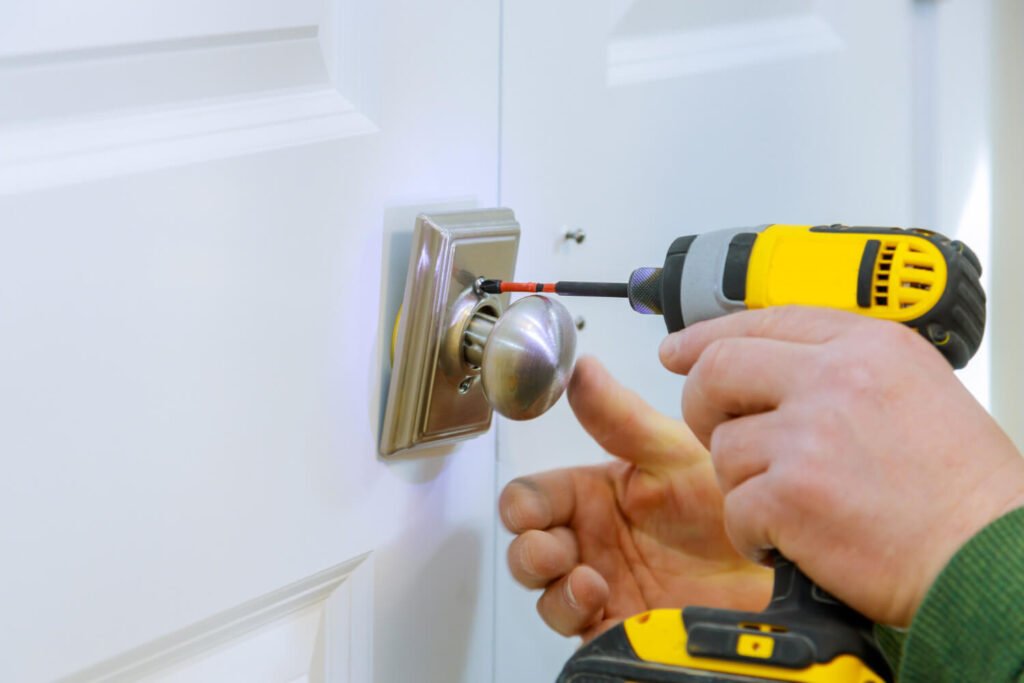
- Hands-On Training: Practical experience is vital. Quality programs offer workshops, labs, or apprenticeships where you can practice real-world locksmithing tasks.
- Experienced Instructors: Instructors with years of field experience provide valuable insights and mentorship, helping bridge the gap between theory and practice.
- Preparation for Licensing Exams: If your state requires a licensing test, ensure the program includes exam prep and guidance on the application process.
- Job Placement Support: Some schools assist with job placement or offer connections to local employers, which can be especially helpful for newcomers.
Types of Locksmith Training Programs Available
Prospective locksmiths can choose from several types of training, each with its own advantages. Understanding these options will help you select the format that best fits your learning style and career ambitions.
In-Person Vocational Schools
Traditional trade schools and community colleges often offer in-person locksmith courses. These programs provide structured learning environments, access to specialized equipment, and direct interaction with instructors and peers. They are ideal for those who benefit from hands-on practice and immediate feedback.
Online Locksmith Courses
Online programs have grown in popularity, offering flexibility for students who need to balance training with work or family commitments. While online courses can effectively cover theory and foundational skills, ensure they include opportunities for practical application, such as mailed toolkits or local workshops.
Apprenticeships and On-the-Job Training
Many states recognize apprenticeships as a valid path to licensure. Working under an experienced locksmith allows you to gain real-world experience while earning a wage. Some formal programs partner with local businesses to facilitate these opportunities, blending classroom learning with fieldwork.
How to Evaluate a Locksmith Training Provider
Selecting a reputable training provider is essential for building a solid foundation in the locksmith trade. Here are some tips to help you make an informed decision:
- Research Reviews and Outcomes: Look for testimonials from former students and check job placement rates.
- Verify Licensing Alignment: Confirm that the program meets your state’s licensing requirements and prepares you for any necessary exams.
- Ask About Support Services: Find out if the school offers career counseling, resume assistance, or networking opportunities.
- Compare Costs and Financial Aid: Tuition can vary widely. Investigate scholarships, grants, or payment plans to make your education more affordable.

Benefits of Completing a Licensed Locksmith Program
Completing a recognized training course offers several advantages beyond meeting regulatory requirements. Graduates of licensed locksmith training programs often enjoy:
- Increased Employability: Employers prefer candidates with formal training and credentials, as it demonstrates commitment and competence.
- Higher Earning Potential: Certified professionals can command better wages and have access to more job opportunities.
- Legal Protection: Licensed locksmiths are less likely to face legal issues and can work on a wider range of projects, including those requiring insurance documentation.
- Professional Credibility: Clients are more likely to trust locksmiths who have completed reputable training and hold valid licenses.
Continuing Education and Career Growth
The locksmith industry is constantly evolving, with new technologies and security challenges emerging regularly. After completing your initial training, consider pursuing ongoing education to stay current. Advanced courses in electronic access systems, automotive locksmithing, or safe servicing can open doors to specialized roles.
For those interested in expanding their business or exploring new markets, resources like the licensed locksmith franchise opportunities guide can provide valuable insights into entrepreneurship within the field.
Frequently Asked Questions
What are the prerequisites for enrolling in a locksmith training program?
Most programs require a high school diploma or GED. Some may also conduct background checks, especially in states with strict licensing laws. It’s important to check the specific requirements of the training provider and your state’s regulations before applying.
How long does it take to complete locksmith training and get licensed?
The duration varies based on the type of program and your state’s requirements. Certificate courses can take a few weeks to several months, while apprenticeships may last one to two years. After training, you may need to pass a licensing exam and complete an application process before working independently.
Is online locksmith training accepted for licensing?
Many states accept online coursework for the theoretical portion of training, but most require hands-on experience as well. Always verify with your state licensing board to ensure the online program you choose is recognized and meets all legal requirements.