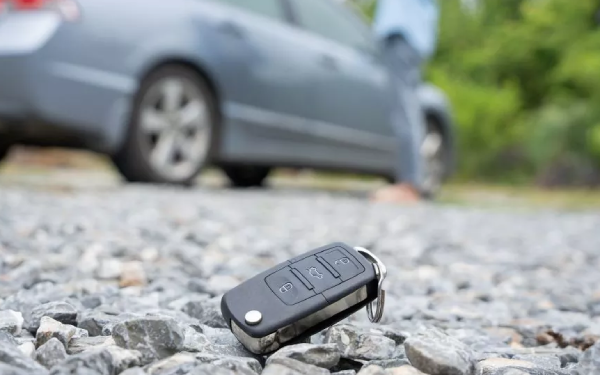
Modern vehicles rely on electronic key fobs for convenient entry, ignition, and security. If you lose or need to replace a remote, the traditional advice is to visit a dealership for programming. However, many car owners are interested in key fob programming without dealer involvement to save time and money. This article explores practical methods to program a new or replacement fob yourself, what to expect, and when to seek professional help.
Understanding your options can help you avoid unnecessary expenses and delays. We’ll cover step-by-step instructions for common vehicles, discuss the tools required, and highlight important considerations for security and insurance. For those interested in broader locksmith topics, see the licensed locksmith service transparency rules for more on professional standards.
Understanding Key Fob Technology and Types
Before attempting any DIY programming, it’s important to know what type of remote you have. Keyless entry systems vary widely between manufacturers and models. Some use simple radio frequencies, while others employ rolling codes or proximity sensors. For a detailed overview of the different types of car keys and remotes, visit this guide to car key types.
- Traditional remote key fobs: Usually allow for self-programming with a specific sequence.
- Transponder keys: Contain a chip that communicates with the vehicle’s immobilizer; some can be programmed at home, others require special tools.
- Smart keys: Use proximity sensors and advanced encryption, often requiring specialized equipment.
DIY Methods for Key Fob Programming Without Dealer Assistance
Many vehicles, especially those manufactured before the mid-2010s, allow owners to program a new remote using a series of steps involving the ignition, door locks, and the fob itself. This process is sometimes called “on-board programming.” Here’s a general outline:
- Enter the vehicle and close all doors.
- Insert the key into the ignition and turn it to the “On” position (do not start the engine).
- Within a set time, cycle the ignition key between “On” and “Off” several times (usually 3-8 times, depending on the make).
- Press a button on the new fob (often “Lock” or “Unlock”) to sync it with the vehicle.
- Wait for confirmation (locks cycling, a beep, or lights flashing).
- Turn off the ignition and test the new remote.
Always consult your owner’s manual for the exact procedure, as steps differ by manufacturer and model year. If you no longer have the manual, many automakers provide instructions online, or you can find model-specific guides on reputable automotive forums.
When DIY Programming Is Not Possible
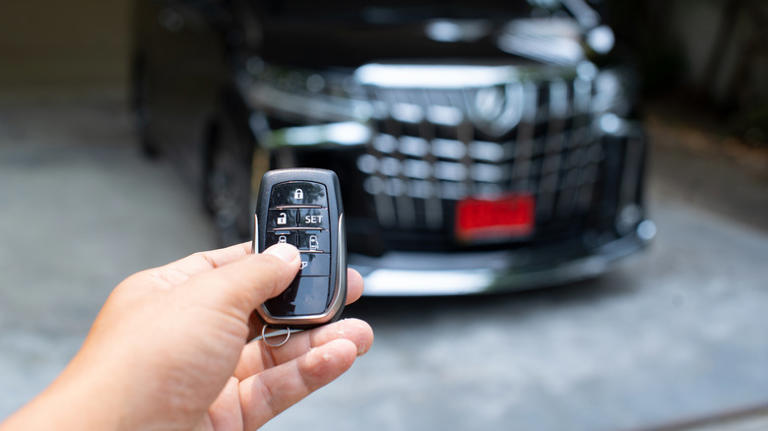
Not all vehicles support self-programming. Many newer models, especially those with advanced security features, require specialized diagnostic tools to pair a new remote. In these cases, you have two main options:
- Automotive locksmiths: Many locksmiths have the equipment to program modern remotes and transponder keys, often at a lower cost than dealerships.
- Aftermarket tools: Some devices, available online, claim to program remotes for specific makes and models. Use caution and verify compatibility before purchasing.
If you are unsure whether your vehicle supports at-home programming, a quick call to a local locksmith or a check of your owner’s manual can clarify your options.
Costs and Considerations for Programming Remotes Independently
The main advantage of key fob programming without dealer involvement is cost savings. Dealerships often charge a premium for both the remote and the service. By sourcing an OEM or compatible aftermarket remote and programming it yourself, you can save significantly.
- OEM vs. aftermarket: Original manufacturer remotes are more expensive but guarantee compatibility. Aftermarket options can be more affordable but may lack certain features.
- Security: Ensure you purchase remotes from reputable sources to avoid counterfeit or compromised devices.
- Insurance: Some insurance policies may require proof of professional programming in the event of a claim. For more details, see the licensed locksmith insurance claim assistance guide.

Tips for a Successful Remote Setup
To maximize your chances of success with key fob programming without dealer involvement, keep these tips in mind:
- Have all remotes present during programming, as some vehicles erase old remotes when new ones are added.
- Follow instructions precisely and work quickly if the procedure is time-sensitive.
- Replace the battery in your new remote before starting.
- Test all functions (lock, unlock, trunk, panic) after programming.
- Keep a backup remote in a safe place in case of future loss.
Professional Help and Emergency Services
If you encounter difficulties or your vehicle does not support DIY methods, a qualified locksmith can often provide fast, on-site assistance. Many locksmiths offer mobile services and can program remotes for a wide range of makes and models. For emergency situations or after-hours needs, contacting a 24/7 locksmith ensures you’re not stranded.
For more on preparedness and emergency solutions, see the licensed locksmith emergency preparedness guide.
Frequently Asked Questions
Can all car remotes be programmed without a dealership?
No, not every vehicle supports owner programming. Many older models allow it, but newer cars with advanced security features often require specialized tools only available to professionals or dealerships.
Is it safe to buy aftermarket key fobs online?
It can be, as long as you purchase from reputable sellers and verify compatibility with your vehicle. Beware of counterfeit products and always check return policies before buying.
What should I do if programming fails?
Double-check the instructions and ensure you have the correct remote. If issues persist, consult a local locksmith or your vehicle manufacturer for assistance. Sometimes, a professional is needed for vehicles with complex security systems.
Exploring key fob programming without dealer involvement can save time and money, but always prioritize security and compatibility. When in doubt, seek professional guidance to protect your vehicle and ensure reliable operation.