The increasing use of wireless technology in daily life has raised important questions about safety, especially for individuals with medical devices like pacemakers. One common concern is whether the radio signals emitted by car key fobs and similar remote devices could disrupt the normal operation of a pacemaker. Understanding the interaction between these everyday gadgets and sensitive medical equipment is essential for anyone who relies on a pacemaker or cares for someone who does.
In this article, we’ll explore the science behind electromagnetic interference, what current research says about the risk posed by keyless entry remotes, and practical steps to ensure safety. We’ll also discuss the types of car keys in use today, how pacemakers are designed to resist interference, and what to do if you suspect a problem. For those interested in the broader context of professional locksmith services and transparency, you can learn more about licensed locksmith service transparency rules.
Understanding Electromagnetic Interference and Medical Devices
Electromagnetic interference (EMI) occurs when an external source of electromagnetic energy disrupts the normal function of an electronic device. Pacemakers, which help regulate abnormal heart rhythms, are particularly sensitive to strong electromagnetic fields. However, modern pacemakers are engineered with robust shielding and filtering to minimize the risk of interference from common household and personal electronics.
The question of can key fob interfere with pacemakers arises because key fobs use radio frequency (RF) signals—typically in the 315 MHz or 433 MHz bands—to communicate with vehicles. These frequencies are different from those used by most medical devices, and the power output of key fobs is relatively low. Still, it’s important to understand the circumstances under which interference could theoretically occur.
How Key Fobs Work and Their Emission Levels
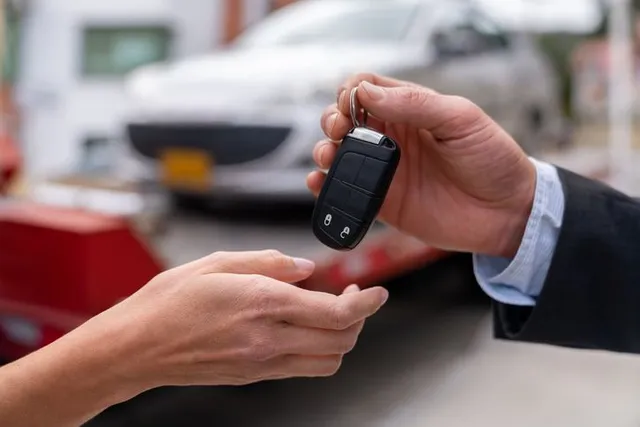
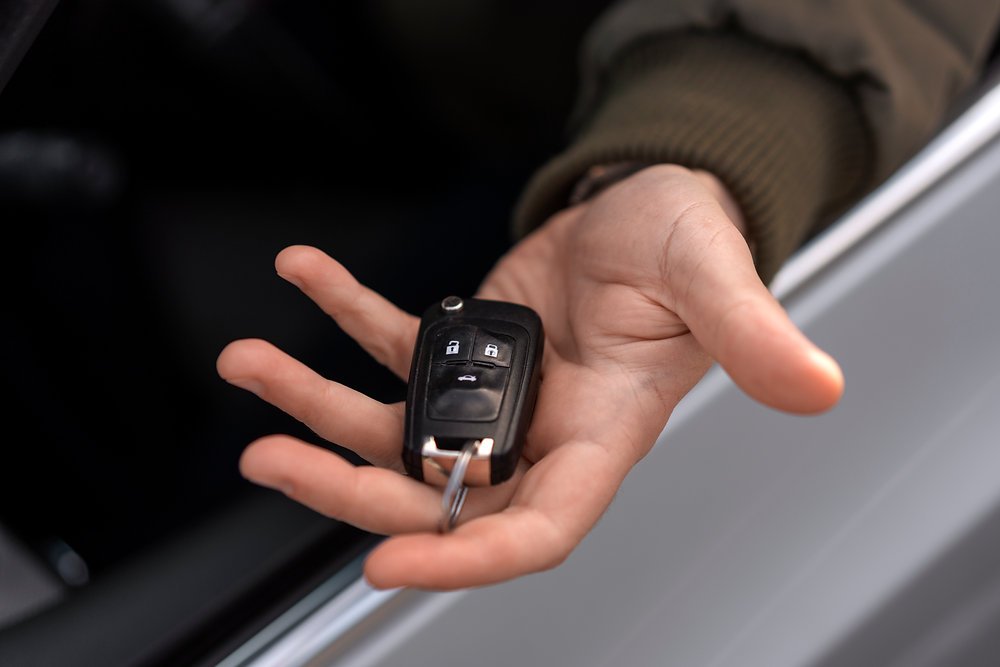
Keyless entry remotes, or key fobs, are designed to send a coded signal to a vehicle’s receiver to lock or unlock doors, start the engine, or trigger an alarm. These devices emit short bursts of radio waves only when a button is pressed. The power output is typically less than 1 milliwatt, which is much lower than the threshold known to cause interference with medical implants.
For a deeper look at the different types of car keys and their technologies, including smart keys and transponder keys, see this comprehensive guide to car key types.
What Research Says About Key Fobs and Pacemaker Safety
Multiple studies have examined the potential for consumer electronics, including key fobs, to disrupt pacemaker function. The consensus among medical device manufacturers and regulatory agencies is that the risk is extremely low. The U.S. Food and Drug Administration (FDA) and the American Heart Association both state that most everyday electronic devices, when used as intended, do not pose a significant threat to pacemaker operation.
In controlled laboratory settings, researchers have found that pacemakers may only be affected by strong electromagnetic fields at very close range—typically less than six inches—and with devices that emit much higher power than a standard key fob. Even then, the interference is usually temporary and resolves as soon as the source is moved away.
Precautions for Pacemaker Users Around Wireless Devices
While the likelihood of a keyless entry remote causing problems is minimal, it’s still wise to follow basic safety guidelines:
- Avoid holding a key fob directly over your pacemaker for extended periods.
- Use the remote at a normal distance (arm’s length or more) from your chest.
- If you experience symptoms such as dizziness, palpitations, or irregular heartbeat while using any electronic device, move it away from your body and consult your healthcare provider.
- Keep up with regular pacemaker check-ups and discuss any concerns about interference with your cardiologist.
How Pacemakers Are Designed to Resist Interference
Modern pacemakers incorporate advanced shielding and filtering technologies to block out most forms of electromagnetic noise. Manufacturers rigorously test these devices to ensure they can withstand exposure to common sources of RF energy, including cell phones, microwaves, and automotive electronics. As a result, the risk of malfunction due to a key fob or similar device is extremely low.
For those interested in emergency preparedness and how to handle situations involving locks and security, the licensed locksmith emergency preparedness guide provides useful information.
What to Do If You Suspect Interference
If you ever feel unusual symptoms while using a keyless remote or any other electronic device, take the following steps:
- Move the device away from your chest immediately.
- Sit down and monitor your symptoms. If they persist or worsen, seek medical attention.
- Report the incident to your cardiologist or pacemaker clinic. They can check your device for any irregularities and advise on further precautions.
Remember, the chance of a key fob causing an issue is very low, but it’s always best to err on the side of caution and discuss any concerns with your healthcare provider.
Additional Tips for Living Safely With a Pacemaker
Beyond keyless entry remotes, pacemaker users should be mindful of other potential sources of electromagnetic fields. These include high-voltage power lines, industrial equipment, and certain medical procedures like MRI scans. Always inform medical personnel about your pacemaker before undergoing any diagnostic tests or treatments.
For insurance-related questions or documentation needs involving locksmith services, you may find the licensed locksmith documentation for insurance resource helpful.
FAQ
Are There Any Documented Cases of Key Fobs Affecting Pacemakers?
To date, there are no widely reported or confirmed cases of a keyless entry remote causing a pacemaker to malfunction. Most research and real-world experience indicate that the risk is negligible when devices are used as intended.
What Other Devices Should Pacemaker Users Be Cautious Around?
While key fobs are generally safe, pacemaker users should be cautious around high-powered magnets, MRI machines, and industrial welding equipment. Everyday electronics like microwaves, smartphones, and Bluetooth devices are considered safe when used at a reasonable distance.
How Can I Reduce My Risk of Electromagnetic Interference?
Maintain a safe distance between your pacemaker and any device that emits strong electromagnetic fields. Avoid placing electronic devices directly over your chest pocket, and follow your doctor’s recommendations for living with a pacemaker.
If you have further questions about locksmith services or emergency preparedness, the licensed locksmith insurance claim assistance guide offers additional insights.