
The locksmith profession demands a high level of responsibility, technical skill, and a strong commitment to safety. Whether working on residential locks, commercial security systems, or automotive access, locksmiths face unique hazards every day. Proper licensed locksmith safety training is essential not only for personal protection but also to ensure the security and trust of clients. This article provides a comprehensive overview of the core safety principles, regulatory requirements, and best practices every licensed locksmith should know.
Alongside technical expertise, locksmiths must stay updated on industry standards and ethical guidelines. For those interested in the broader context of professional conduct, our detailed overview of licensed locksmith ethics training explores the ethical responsibilities that go hand-in-hand with safety protocols.
Why Safety Training Is Critical for Licensed Locksmiths
Safety is a foundational aspect of locksmith work. Handling sharp tools, working with electrical components, and operating in unpredictable environments all present risks. Comprehensive training helps locksmiths:
- Prevent workplace injuries and accidents
- Protect clients’ property and privacy
- Comply with legal and regulatory standards
- Maintain professional credibility and trust
In addition to these practical benefits, safety training is often a legal requirement for obtaining and maintaining a locksmith license in many regions. Failing to meet these obligations can lead to penalties, loss of licensure, or even criminal charges.
Core Components of Locksmith Safety Instruction
Effective licensed locksmith safety training programs cover a wide range of topics. While specific requirements may vary by jurisdiction, most courses include the following essential elements:
- Personal Protective Equipment (PPE): Instruction on proper use of gloves, eye protection, hearing protection, and other gear to minimize injury.
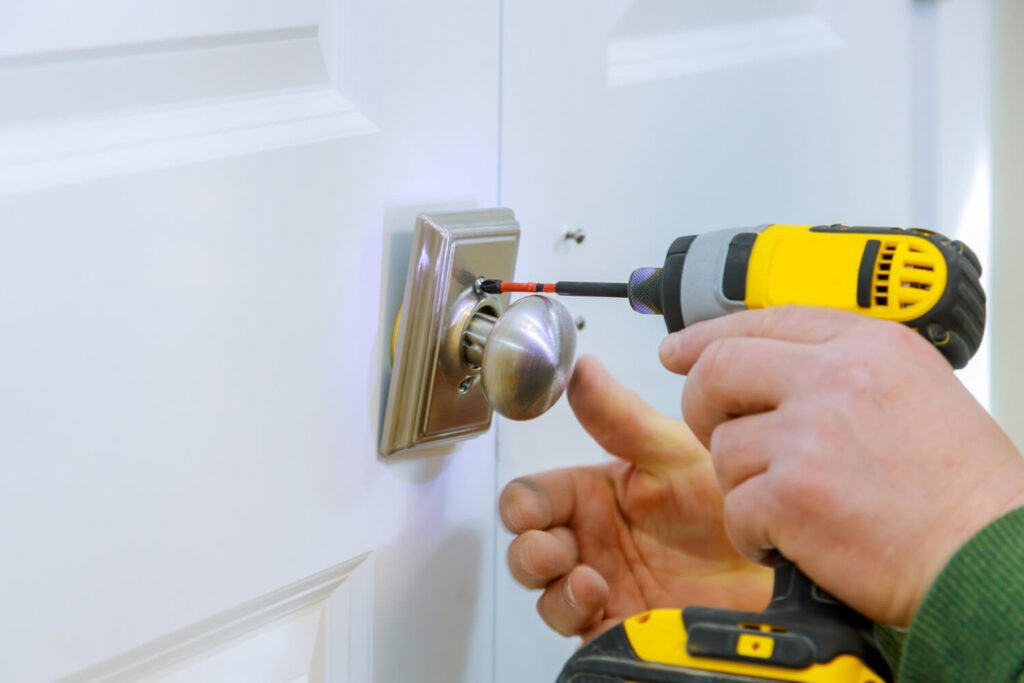
- Tool Safety: Guidance on the correct handling, maintenance, and storage of locksmith tools such as picks, drills, and key cutting machines.
- Electrical Safety: Training on how to safely work with electronic locks, access control systems, and alarm wiring.
- Safe Work Practices: Techniques for lifting heavy safes, working in confined spaces, and preventing repetitive strain injuries.
- Emergency Procedures: Steps to take in case of fire, electrical shock, or other workplace emergencies.
- Client Safety and Privacy: Best practices for protecting client information and ensuring that work does not compromise building security.
Legal and Regulatory Requirements for Locksmiths
Locksmiths must adhere to a variety of laws and regulations designed to protect both workers and the public. These rules often include mandatory safety training, background checks, and ongoing professional development. For a deeper understanding of compliance and consequences, see our licensed locksmith legal consequences resource.
In many regions, licensing authorities require proof of completed safety courses before issuing or renewing a locksmith license. Some jurisdictions also mandate periodic refresher training to ensure that professionals remain up to date with evolving safety standards.
When evaluating a locksmith or considering entering the field, it’s important to understand the certification and licensing landscape. For more on what to look for in a trusted provider, refer to this comprehensive guide to locksmith certification and licensing.
Best Practices for Maintaining a Safe Work Environment
Beyond formal training, locksmiths should cultivate a culture of safety in daily operations. Here are some practical recommendations:
- Inspect tools and equipment before each use for signs of wear or damage
- Keep workspaces clean and organized to reduce trip hazards
- Follow manufacturer instructions for all hardware and electronic systems
- Document incidents and near-misses to identify areas for improvement
- Participate in ongoing safety workshops and industry seminars
Many organizations also encourage locksmiths to pursue licensed locksmith continuing professional development as a way to stay current with new technologies and safety protocols.
Common Hazards in Locksmith Work and How to Avoid Them
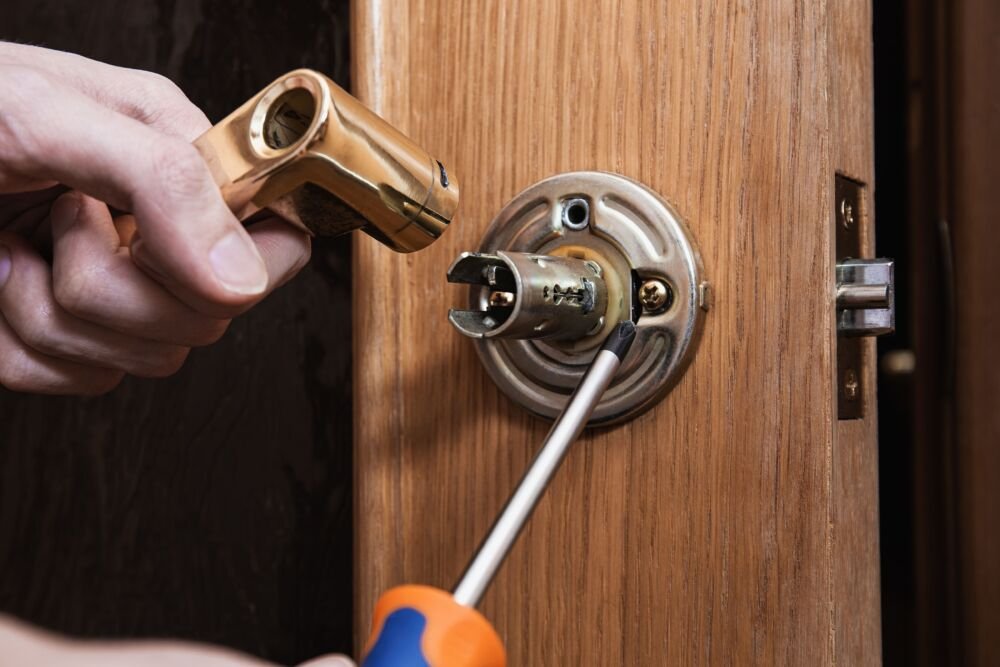
Locksmiths encounter a range of physical and environmental hazards. Recognizing these risks and knowing how to mitigate them is a key outcome of quality licensed locksmith safety training. Some of the most common dangers include:
- Sharp Tools: Always use protective gloves and handle blades or picks with care to avoid cuts and punctures.
- Electric Shock: De-energize circuits before working on electronic locks or access systems, and use insulated tools.
- Heavy Lifting: Use proper lifting techniques and, when necessary, mechanical aids to move safes or doors.
- Exposure to Chemicals: Some lubricants and cleaning agents can be hazardous; use them in well-ventilated areas and follow safety data sheets.
- Working at Heights: Secure ladders properly and never overreach when installing or servicing locks above ground level.
Regularly reviewing safety protocols and learning from industry incidents can help locksmiths avoid preventable accidents.
Continuing Education and Industry Standards
Safety is not a one-time lesson. The locksmith industry evolves rapidly, with new technologies and threats emerging regularly. Ongoing education ensures that professionals remain prepared for these changes. Many licensing bodies require locksmiths to attend refresher courses or participate in recognized training programs.
For a broader perspective on professional benchmarks, our licensed locksmith industry standards guide outlines the key expectations for quality, safety, and ethical conduct in the field.
Staying informed about updates in safety regulations and best practices is a hallmark of a reputable locksmith. Subscribing to industry publications, joining professional associations, and networking with peers can all contribute to a safer, more effective practice.
Penalties for Non-Compliance
Ignoring safety training requirements can have serious consequences. Regulatory agencies may impose fines, suspend licenses, or take legal action against locksmiths who fail to comply with safety standards. In addition, workplace accidents resulting from negligence can lead to lawsuits, reputational damage, and loss of business.
For a detailed breakdown of potential repercussions, see our licensed locksmith penalty for violations article.
Frequently Asked Questions
What topics are typically covered in locksmith safety training?
Most courses address the use of personal protective equipment, safe handling of tools, electrical safety, emergency procedures, and best practices for client security and privacy. Some programs also include modules on hazardous materials and ergonomics.
Is safety training required to become a licensed locksmith?
In many regions, completing an approved safety course is a prerequisite for obtaining or renewing a locksmith license. Requirements vary, so it’s important to check with local licensing authorities.
How often should locksmiths update their safety training?
While initial training is essential, many licensing bodies recommend or require periodic refresher courses. This ensures that locksmiths stay current with new technologies, regulations, and industry best practices.