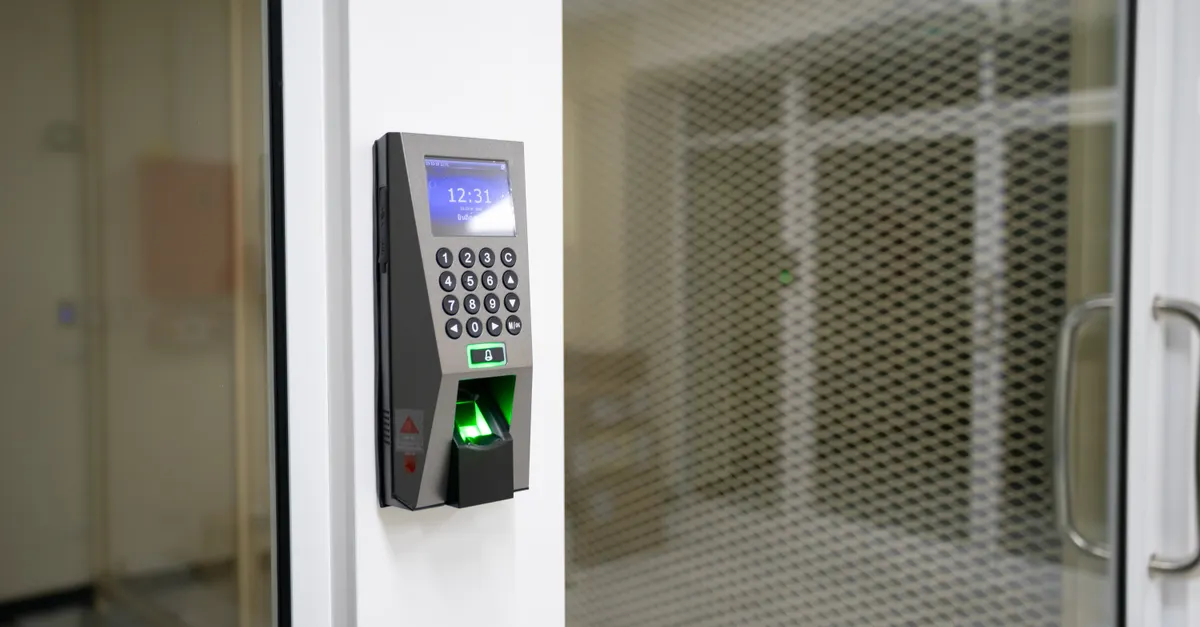
When it comes to securing homes, businesses, and vehicles, the importance of working with a licensed locksmith cannot be overstated. Locksmithing is a highly specialized trade that requires not just technical skills, but also a strong commitment to ethical conduct and customer safety. Understanding the professional standards that licensed locksmiths must uphold helps consumers make informed choices, avoid scams, and ensure their property is in trustworthy hands.
This article explores what sets certified locksmiths apart, the regulations they follow, and why these standards matter for anyone seeking reliable security solutions. For those interested in related topics, our licensed locksmith service transparency rules article provides further insight into ethical practices in the industry.

Understanding Locksmith Certification and Licensing
Not every locksmith operates with the same level of legitimacy. Licensed locksmith professional standards are established by state or local authorities to protect consumers and maintain the integrity of the trade. Certification and licensing typically involve:
- Background checks to ensure no criminal history that could endanger clients
- Proof of technical training and mastery of locksmithing skills
- Adherence to local, state, or national regulations
- Ongoing education to keep up with advancements in security technology
States and municipalities may have different requirements, but the goal is always to guarantee that only qualified individuals can legally offer locksmith services. This helps prevent fraud, property damage, and security breaches.

Key Elements of Licensed Locksmith Professional Standards
Professional locksmiths must meet a range of standards that go beyond technical ability. These include:
Ethical Conduct and Customer Protection
Trust is fundamental in locksmithing. Licensed professionals are bound by codes of ethics that require:
- Honest representation of services and pricing
- Respect for client privacy and property
- Refusal to perform unlawful or suspicious requests (such as unlocking property without proof of ownership)
Adhering to these ethical standards protects both the customer and the reputation of the locksmith industry.
Technical Competency and Training
Locksmiths must demonstrate proficiency in a variety of skills, including:
- Lock installation, repair, and rekeying
- Safe and vault servicing
- Automotive lock and key solutions
- Electronic and smart lock systems
Many jurisdictions require ongoing education to ensure locksmiths stay current with evolving security technologies and best practices.
Insurance and Bonding Requirements
Licensed locksmiths are often required to carry insurance and, in some cases, bonding. This provides financial protection for both the locksmith and the client in the event of accidental damage or disputes. Always verify that your locksmith has up-to-date insurance before hiring.

Why Professional Standards Matter for Consumers
Choosing a locksmith who meets recognized standards is essential for several reasons:
- Security: Properly trained and vetted locksmiths help ensure your property remains secure and protected from unauthorized access.
- Accountability: Licensed professionals are subject to oversight by regulatory bodies, giving consumers recourse in case of disputes or misconduct.
- Quality Assurance: Adherence to professional standards means work is performed correctly, reducing the risk of lock failures or security vulnerabilities.
- Fraud Prevention: Licensing requirements help weed out scammers and unqualified individuals who may otherwise exploit vulnerable customers.
For a deeper look at the risks of hiring unlicensed individuals, see this comparison of licensed vs. unlicensed locksmiths and how standards protect consumers.
How to Verify a Locksmith’s Credentials
Before hiring a locksmith, it’s wise to take a few steps to confirm their legitimacy:
- Ask for their license number and verify it with the relevant state or local authority.
- Request proof of insurance and bonding if applicable.
- Check for membership in professional organizations, such as the Associated Locksmiths of America (ALOA).
- Read reviews and testimonials from previous clients.
- Be wary of unusually low quotes or requests for cash-only payments.
Taking these precautions can help you avoid common pitfalls and ensure you’re working with a reputable professional.
Common Services Provided by Licensed Locksmiths
Certified locksmiths offer a wide range of services, including:
- Emergency lockout assistance for homes, businesses, and vehicles
- Lock repair, replacement, and installation
- Rekeying services for enhanced security
- Safe opening and maintenance
- Key duplication and programming for modern vehicles
- Installation of advanced security systems, such as smart locks and access control
For those interested in related security solutions, you may also find our guides on locked file cabinet repair, key fob signal boosters, and safe storage of spare key fobs helpful.
Staying Informed About Industry Developments
The locksmith industry is constantly evolving, with new technologies and security challenges emerging regularly. Licensed professionals are required to stay updated through continuing education, which may include:
- Workshops and training on the latest lock technologies
- Updates on state and federal regulations
- Ethics and customer service seminars
This commitment to ongoing learning ensures that locksmiths can provide the most effective and secure solutions for their clients.
FAQ: Locksmith Licensing and Professional Standards
What are the main differences between licensed and unlicensed locksmiths?
Licensed locksmiths have undergone background checks, formal training, and are regulated by authorities, ensuring accountability and professionalism. Unlicensed individuals may lack proper skills, oversight, and could pose security risks.
How can I check if a locksmith is properly licensed?
Request their license number and verify it with your state or local licensing board. You can also ask for proof of insurance and check for membership in recognized trade associations.
Why do locksmiths need ongoing education?
Security technology changes rapidly. Ongoing education ensures locksmiths stay current with new lock systems, tools, and regulations, so they can provide safe and effective services.