Panic bars, also known as crash bars or push bars, are essential safety devices for commercial buildings, schools, hospitals, and public spaces. They allow for quick and easy exit during emergencies, helping to prevent crowding and injuries at exits. Installing these devices correctly is not only a matter of compliance with fire and building codes, but also a crucial step in ensuring occupant safety. For this reason, relying on a licensed locksmith panic bar installation professional is highly recommended.
In this article, you’ll learn why expert installation matters, what the process involves, and how to choose the right service provider. We’ll also cover maintenance tips and answer common questions about panic bar systems. If you’re interested in broader security solutions, you might also want to explore our licensed locksmith service transparency rules for more insights into working with certified professionals.
Why Choose a Certified Professional for Panic Bar Installation?
Entrusting panic bar installation to a certified locksmith offers several advantages. First and foremost, a licensed locksmith panic bar installation expert understands local building codes and fire safety regulations. This ensures your exit devices are compliant, reducing liability and keeping your facility safe.
Additionally, certified locksmiths have the right tools and training to handle a wide range of door types and security systems. They can recommend the best panic bar models for your needs, whether you require basic mechanical devices or advanced systems integrated with alarms and access control.
For tips on verifying a professional’s credentials, see this helpful guide to confirming your locksmith is licensed.
Understanding Panic Bars and Their Importance
Panic bars are horizontal bars installed on exit doors. When pushed, they unlatch the door, allowing for a fast and easy exit. They are required by law in many commercial and public buildings to ensure safe evacuation during emergencies such as fires or security threats.

There are several types of panic bars, including:
- Rim panic bars – Surface-mounted and suitable for most single and double doors.
- Mortise panic bars – Integrated into the door, offering a sleek appearance.
- Vertical rod panic bars – Secure both the top and bottom of the door, ideal for double doors without a center post.
Choosing the right device depends on your door configuration, security requirements, and compliance needs. A qualified locksmith can assess your premises and recommend the most suitable solution.
Step-by-Step Overview of Panic Bar Installation by a Licensed Locksmith
A professional installation process typically follows these steps:
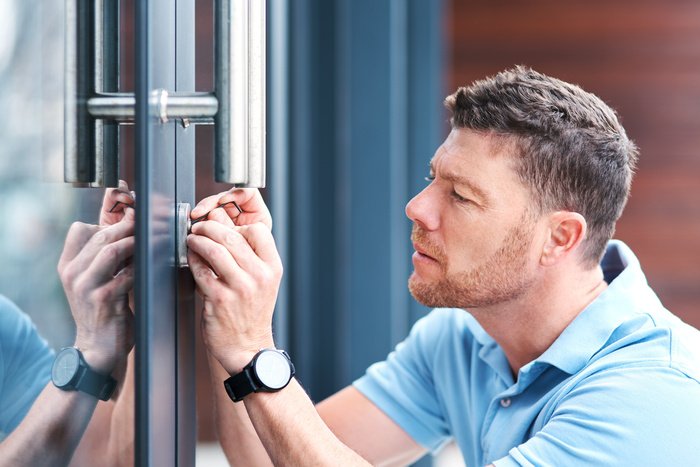
- Assessment and Planning: The locksmith inspects the door, frame, and existing hardware. They determine the correct panic bar type and placement to meet code requirements.
- Marking and Preparation: Precise measurements are taken, and mounting points are marked on the door.
- Drilling and Fitting: Holes are drilled for the panic bar and any additional hardware, such as strikes or alarm contacts.
- Mounting the Panic Bar: The device is securely attached, ensuring smooth operation and proper alignment.
- Testing and Adjustment: The locksmith tests the mechanism multiple times, making adjustments for effortless egress and security.
- Final Inspection: The installation is reviewed for compliance with safety codes and manufacturer guidelines.
This process requires specialized knowledge and tools, which is why it’s best handled by a licensed locksmith panic bar installation provider.
Common Mistakes to Avoid with Panic Bar Installations
Improper installation can lead to serious safety risks and code violations. Common mistakes include:
- Incorrect placement, making the bar difficult to reach or operate
- Using incompatible hardware that doesn’t latch securely
- Failing to test the device thoroughly after installation
- Ignoring local fire and building codes
A certified locksmith will avoid these pitfalls, ensuring your exit devices function reliably when needed most.
Integrating Panic Bars with Security Systems
Modern panic bars can be integrated with alarms, access control, and monitoring systems. This allows for features such as:
- Alarm activation when the bar is pushed
- Remote locking and unlocking
- Audit trails for exit usage
A licensed locksmith panic bar installation specialist can coordinate with your security provider to ensure seamless integration, enhancing both safety and security.

Maintenance Tips for Long-Term Reliability
Routine maintenance is essential for keeping panic bars in optimal condition. Here are some practical tips:
- Test the device monthly to ensure smooth operation
- Lubricate moving parts as recommended by the manufacturer
- Inspect for loose screws or misalignment
- Check for signs of tampering or wear
- Schedule annual inspections with a certified locksmith
Regular upkeep not only extends the lifespan of your panic bars but also helps you stay compliant with safety regulations.
Choosing the Right Locksmith for Your Project
When selecting a professional for panic bar installation, consider the following:
- Verify licensing and insurance
- Look for experience with commercial exit devices
- Ask for references or reviews from previous clients
- Ensure they offer ongoing support and maintenance
For more information on working with certified professionals, check out our locked file cabinet repair guide for additional tips on locksmith services.
Frequently Asked Questions
Do all commercial buildings need panic bars on exit doors?
Most commercial and public buildings are required by law to have panic bars on designated exit doors, especially those with high occupancy or public access. Local codes may vary, so consult a licensed locksmith or your local authority for specific requirements.
How long does a professional panic bar installation take?
A standard installation by a certified locksmith typically takes one to two hours per door, depending on the door type and any integration with security systems. More complex setups may require additional time.
Can panic bars be installed on glass doors?
Yes, panic bars can be installed on glass doors, but special hardware and techniques are required to avoid damaging the glass. A professional locksmith will select the appropriate device and mounting method for your door type.
Conclusion
Properly installed panic bars are vital for the safety and compliance of any commercial or public facility. By working with a licensed locksmith panic bar installation expert, you ensure that your exit devices are reliable, code-compliant, and tailored to your building’s needs. Regular maintenance and professional support further enhance the security and functionality of your emergency exits.
For more information on keyless entry, spare key storage, or other locksmith solutions, explore our resources on key fob signal boosters and how to store spare key fob at home.