When you need a new key for your home, office, or vehicle, choosing a licensed locksmith key cutting service is essential for both security and peace of mind. Not all key duplication services are created equal—professional locksmiths offer expertise, legal compliance, and advanced technology that generic hardware stores or kiosks cannot match. This article explains what sets licensed professionals apart, what to expect from their key cutting solutions, and how to ensure you’re working with a reputable provider.
Understanding the differences between licensed, insured, and bonded locksmiths is crucial for making informed decisions about your property’s safety. For more on transparency and regulations in the industry, see our detailed overview of licensed locksmith service transparency rules.
What Sets Licensed Locksmith Key Cutting Services Apart?
Not all key cutting is the same. Licensed locksmith key cutting services are held to higher standards than unlicensed operators or automated kiosks. Here’s what distinguishes them:
- Legal Compliance: Licensed professionals are regulated by local or state authorities, ensuring they follow strict guidelines for security and customer protection.
- Advanced Equipment: Professional locksmiths use precision tools and computerized machines to cut keys accurately, reducing the risk of faulty duplicates.
- Expertise: Licensed locksmiths are trained to handle a wide variety of locks, including high-security and restricted key systems that typical hardware stores cannot duplicate.
- Accountability: Licensed providers are often bonded and insured, offering recourse if something goes wrong during the service.
Types of Keys and Locks Handled by Professional Locksmiths
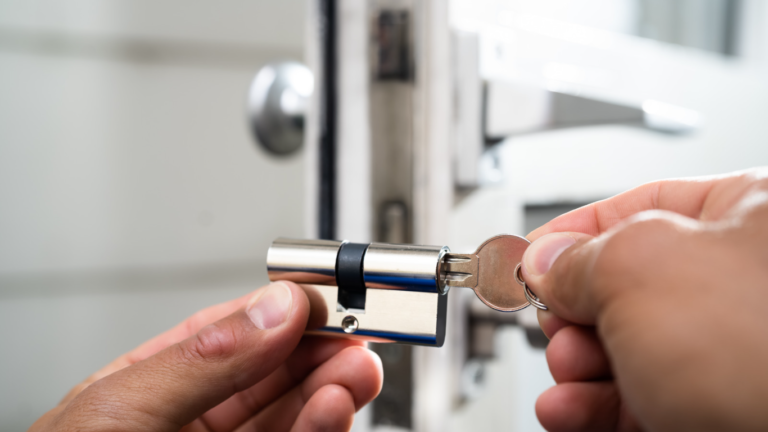
A certified locksmith can duplicate and cut a wide range of keys, far beyond what’s available at most retail locations. Some common types include:
- Standard House Keys: Residential door keys, mailbox keys, and padlock keys.
- Automotive Keys: Transponder keys, remote head keys, and laser-cut car keys.
- High-Security Keys: Restricted or patented keys that require proof of ownership and authorization.
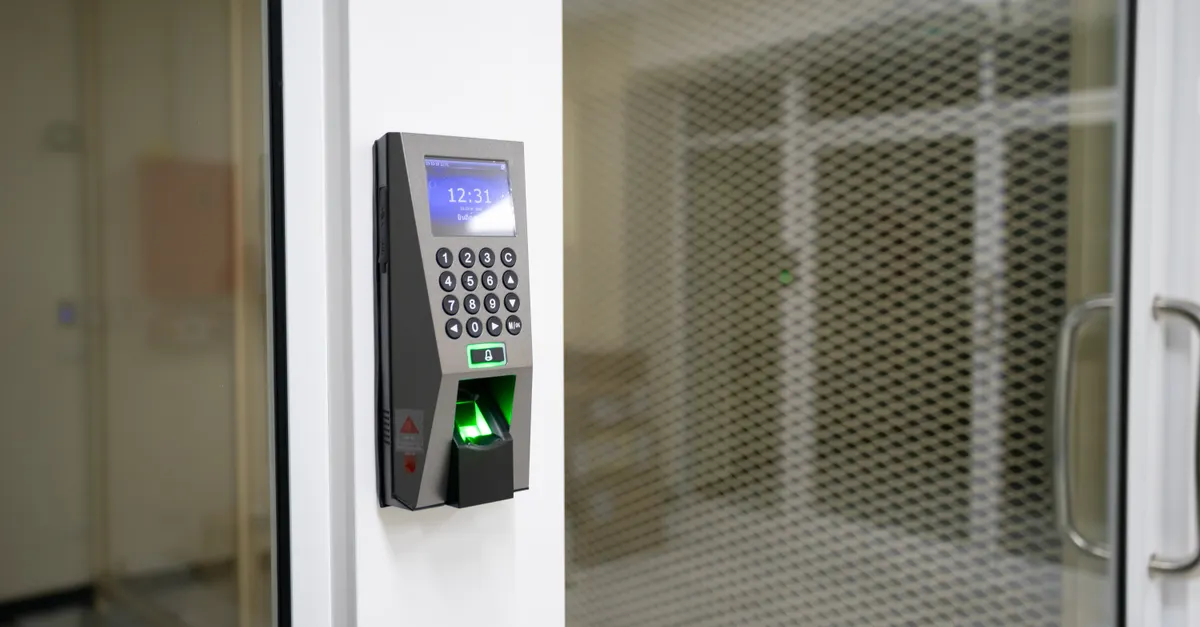
- Commercial Keys: Keys for master key systems, access control, and commercial-grade locks.
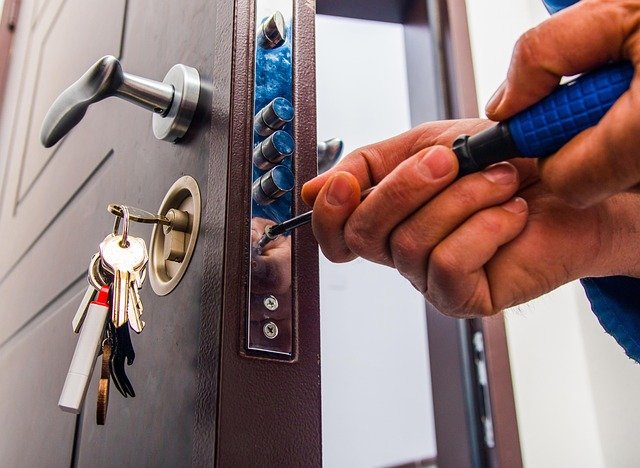
Licensed locksmiths can also rekey locks, upgrade security systems, and provide emergency lockout assistance. For those interested in preparedness, our licensed locksmith emergency preparedness guide covers essential tips for handling lock-related emergencies.
How to Verify a Locksmith’s Credentials
Before hiring anyone to cut your keys, it’s important to verify their credentials. Here’s how you can ensure you’re working with a legitimate professional:
- Check Licensing: Ask to see the locksmith’s license or verify it through your local regulatory agency.
- Look for Insurance and Bonding: Confirm that the provider is insured and bonded for additional protection.
- Read Reviews: Look up customer feedback and ratings on trusted platforms.
- Request an Estimate: Get a written quote before work begins to avoid hidden fees.
- Ask for Identification: A reputable locksmith will arrive in a marked vehicle and carry professional identification.
For a deeper dive into this topic, see this helpful guide on how to verify that your locksmith is bonded, licensed, and insured.
Benefits of Choosing Licensed Locksmiths for Key Duplication
Opting for a certified professional for your key cutting needs brings several advantages:
- Accuracy: Licensed locksmiths use calibrated machines for precise cuts, ensuring your new key works smoothly.
- Security: Professionals follow protocols to prevent unauthorized duplication of restricted keys.
- Expert Advice: Locksmiths can recommend upgrades or spot vulnerabilities in your current lock setup.
- Warranty: Many licensed providers offer guarantees on their work, giving you added peace of mind.
If you’re dealing with an insurance claim or need documentation for a recent service, our resource on licensed locksmith documentation for insurance explains what paperwork to expect and how to streamline the process.
Common Situations Requiring Professional Key Cutting
There are many scenarios where working with a licensed locksmith is the safest and most reliable choice:
- Lost or stolen keys that require immediate replacement and possibly rekeying of locks.
- Moving into a new property and needing all locks changed for security.
- Upgrading to high-security or restricted key systems for added protection.
- Duplicating keys for family, employees, or trusted service providers.
- Addressing malfunctioning or worn-out keys that no longer operate smoothly.
For those considering expanding their business or entering the locksmith industry, our licensed locksmith franchise opportunities guide provides insights into what’s involved in running a compliant and reputable operation.
Frequently Asked Questions
How do I know if a locksmith is truly licensed?
Always ask to see a physical license and verify the number with your local regulatory authority. Many regions have online databases where you can check a locksmith’s credentials. A legitimate provider will never hesitate to show proof of licensing.
Can all keys be duplicated by licensed locksmiths?
Most standard and high-security keys can be duplicated by certified professionals. However, some restricted or patented keys require proof of ownership or authorization from the property owner. Licensed locksmiths follow strict protocols to ensure only authorized individuals receive duplicates.
What should I do if my new key doesn’t work?
If your duplicate key doesn’t function properly, contact the locksmith who performed the service. Licensed providers typically guarantee their work and will make adjustments or recut the key at no extra charge if there’s an issue with the duplication.