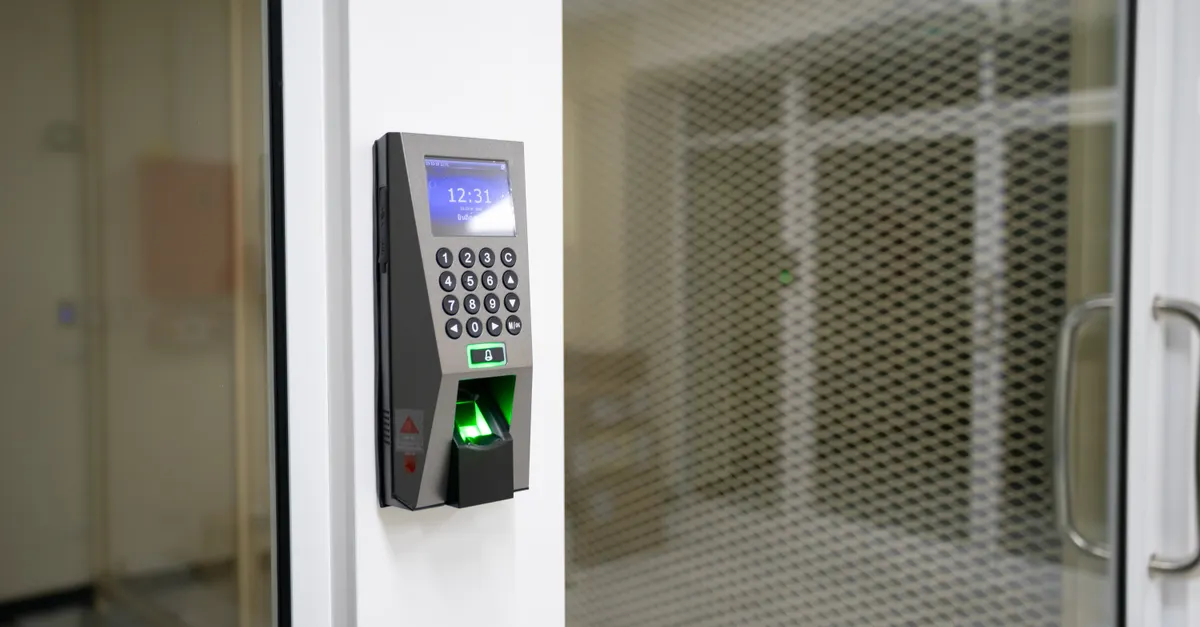
When it comes to safeguarding homes, businesses, and sensitive facilities, the expertise of a licensed locksmith is indispensable. These professionals are not only skilled in lock installation and emergency access but also play a vital role in upholding security standards. An important aspect of their work involves understanding and complying with security clearance requirements, which can vary greatly depending on the environment and level of access involved.
This article explores the essential relationship between professional locksmith credentials and the clearance processes that ensure only trusted individuals handle critical security tasks. Whether you are a property owner, business manager, or considering a career in locksmithing, understanding these requirements is crucial for making informed decisions and maintaining peace of mind.
For those interested in the regulatory side of the industry, it’s helpful to review the licensed locksmith service transparency rules that govern ethical practices and consumer protection.
Understanding Locksmith Licensing and Its Importance
The process of becoming a licensed locksmith is far more rigorous than many realize. Licensing requirements are designed to ensure that only qualified and trustworthy individuals are allowed to work on locks and security systems. These requirements typically include background checks, proof of training, and sometimes even ongoing education.
Licensing serves several key purposes:
- Verification of skills and knowledge – Ensures the locksmith has met industry standards.
- Consumer protection – Provides clients with recourse in case of malpractice or fraud.
- Legal compliance – Many states and municipalities require locksmiths to be licensed to operate legally.
In addition to technical proficiency, a licensed professional is often required to adhere to strict ethical guidelines, further reinforcing the trust placed in them by clients and regulatory bodies alike.
Security Clearance Levels in Locksmithing
Not all locksmith jobs are created equal. Some projects, especially those involving sensitive government buildings, data centers, or high-security commercial sites, require professionals to obtain specific security clearances. These clearances are formal authorizations that grant access to restricted areas or confidential information.
Common clearance levels include:
- Basic clearance – Suitable for residential and standard commercial work.
- Intermediate clearance – Required for schools, hospitals, and facilities with moderate security needs.
- High-level clearance – Necessary for government, military, and critical infrastructure projects.
The process for obtaining these clearances often involves additional background checks, fingerprinting, and sometimes even interviews with security personnel. The goal is to ensure that only individuals with a proven track record of integrity and reliability are granted access to sensitive environments.
Why Security Clearances Matter for Locksmiths
The intersection of locksmith licensing and security clearance requirements is where trust and safety converge. When a locksmith is called to work on a high-security facility, the client needs assurance that the individual has been thoroughly vetted. This is especially true for projects involving:
- Critical infrastructure (power plants, water facilities)
- Government offices and military bases
- Financial institutions and data centers
In these cases, a standard license may not be enough. The additional layer of clearance ensures that the locksmith not only possesses the technical know-how but also meets stringent security standards. This protects both the client and the broader community from potential breaches or misuse of access.
How to Verify a Locksmith’s Credentials and Clearance
For property owners and managers, verifying the credentials of a locksmith is a critical step before granting access. Here are some practical ways to ensure you are working with a qualified professional:
- Request proof of licensing – A reputable locksmith will have no problem providing documentation.
- Ask about security clearances – For sensitive jobs, confirm that the locksmith has the necessary clearance level.
- Check references and reviews – Look for feedback from previous clients, especially for similar types of work.
- Consult regulatory bodies – Many states maintain online databases where you can verify a locksmith’s license status.
If you are dealing with an emergency situation, it’s still important to prioritize security. For more information on what to expect during urgent lockout scenarios, you can refer to this comprehensive guide to locksmith emergency services.
Documentation and Insurance: Supporting Your Security Needs
Beyond licensing and clearance, documentation and insurance play a significant role in the locksmith industry. Detailed records of work performed can be essential for insurance claims or legal matters. For those interested in how locksmiths support clients through these processes, the licensed locksmith documentation for insurance resource provides valuable insights.
Insurance coverage is another layer of protection for both the locksmith and the client. It ensures that, in the rare event of accidental damage or loss, there is a clear path to compensation. This is especially important for high-value properties or complex security systems.
Specialized Locksmith Services and Career Opportunities
The demand for locksmiths with advanced clearances is growing, especially as security threats evolve and new technologies emerge. Specialized services such as electronic access control, biometric systems, and integrated security solutions often require additional training and certification.
For those considering a career in this field, exploring licensed locksmith franchise opportunities can be a strategic move. Franchises often provide structured training, support with licensing and clearances, and access to established client networks.
Emergency Preparedness and the Role of Licensed Locksmiths
In crisis situations, such as break-ins or natural disasters, having a trusted locksmith on call is invaluable. Professionals with the right credentials can quickly restore security and provide guidance on strengthening defenses for the future. For more on this topic, see the licensed locksmith emergency preparedness guide.
Being proactive about security—by working with licensed, cleared professionals—can make all the difference when it matters most.
Frequently Asked Questions
What is the difference between a licensed locksmith and one with security clearance?
A licensed locksmith has met state or local requirements to legally provide locksmith services, including background checks and training. Security clearance, on the other hand, is an additional authorization that allows a locksmith to work in sensitive or restricted environments, often after more extensive vetting.
How can I check if a locksmith has the necessary credentials?
Always request to see proof of licensing and, if your project requires it, evidence of the appropriate security clearance. You can also verify credentials through state regulatory websites or by asking for references from previous clients.
Are locksmiths required to have insurance?
While requirements vary by location, reputable locksmiths typically carry insurance to protect themselves and their clients from accidental damage or liability. This is especially important for high-value or complex jobs.